
Tired of choking down a $12 pouch of freeze-dried mush at mile eight?
I got into dehydrating backpacking meals for the same reason most people do: the store-bought stuff is expensive, the portions are stingy, and half of it tastes like salted cardboard. Building your own trail dinners costs a fraction of the price, packs down smaller, and actually tastes like food you’d choose to eat at home — because it is.
Let’s load your pack with meals worth hiking for.
As an Amazon Associate, I earn from qualifying purchases. If you make a purchase after clicking on a link I may earn a small commission at no extra cost to you if items are purchased.
In this article:
TL;DR: Key Takeaways
- 🥘 These 10 meals are full dinners (and one breakfast) — not single ingredients — built to rehydrate with just boiling water at camp.
- ⚖️ Weigh every meal before and after dehydrating — that weight difference is exactly how much water you’ll add back on the trail.
- 🍗 Cook lean proteins fully and blot the fat before drying — fat doesn’t dehydrate well and shortens shelf life.
- 🎒 Dehydrated meals pack down to a fraction of their fresh weight, so you can carry more variety for the same pack space.
- 🧂 Season boldly before drying — dehydrating mutes flavor, and you can’t fix a bland meal with trail water.
- 🔥 Most of these rehydrate in 10-15 minutes with boiling water and a lid — no stove-top simmering required.
I picked ten meals here that don’t overlap with what’s already on the site — if you want the chicken curry, Spanish chicken, or beef and macaroni recipes, those live over on my camping meals roundup. These ten are new dinners (plus a breakfast) for the rotation. Grab your dehydrator and a kitchen scale, and let’s build your resupply box.
1. Chicken Teriyaki Rice Bowl
This one’s the meal I pack most often, hands down. Cook 1 cup of jasmine or white rice and toss it with 1 cup diced cooked chicken breast, ⅓ cup teriyaki sauce, ½ cup diced bell pepper, and ¼ cup shredded carrot. Spread the whole mix in a thin, even layer on your dehydrator trays.
Dry at 135–140°F (57–60°C) for 6-8 hours, until the rice grains are hard and the chicken snaps rather than bends. Sauce sugars mean this one runs slightly sticky off the tray — that’s normal, not a failed batch.
- Add a pinch of dried ginger for a sharper teriyaki bite.
- Swap chicken for cubed tofu on a vegetarian resupply day.
- Rehydrates in 12 minutes with 1 cup boiling water and a tight lid — worth building a whole meal rotation around.

2. Backpacker’s Beef Stroganoff
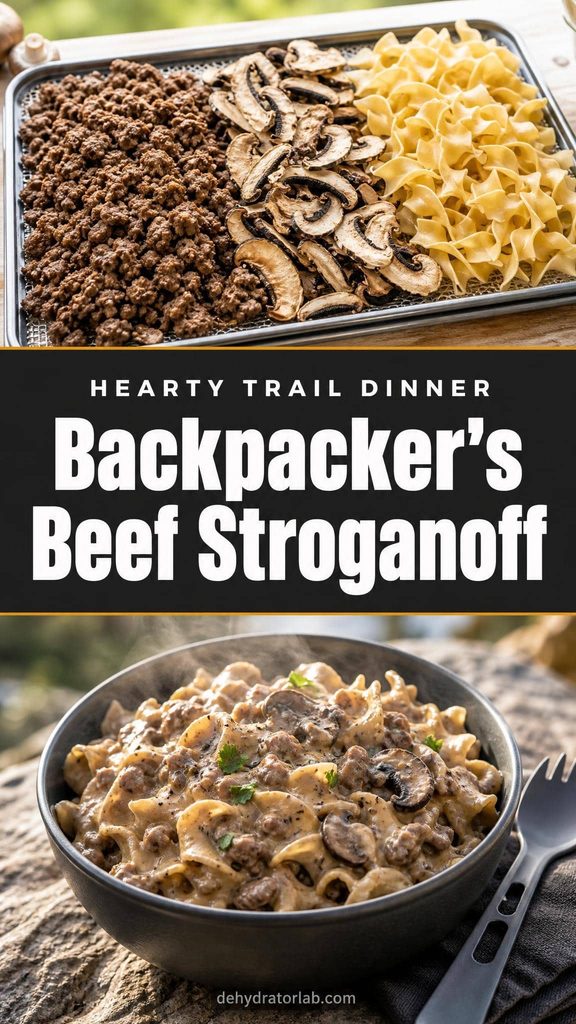
Stroganoff sounds fancy for a trail meal, but it’s just ground beef, mushrooms, and a creamy sauce over noodles — all of which dehydrate beautifully. Brown ½ pound of lean ground beef, drain it well, and combine with 1 cup cooked egg noodles, ½ cup sliced mushrooms, ¼ cup sour cream powder, and 2 tablespoons beef bouillon powder.
Spread thin and dry at 145–155°F (63–68°C) for 6-8 hours — meat runs a touch hotter than veggies to stay food-safe. Blot the beef with a paper towel halfway through the cycle; any fat left behind will go rancid faster in your pack.
Rehydrate with 1¼ cups boiling water, stir, and let it sit covered for 12-15 minutes. Creamy, rich, and it doesn’t taste like a compromise meal. This is the one I save for the last night out.
3. Southwest Black Bean & Rice Bowl
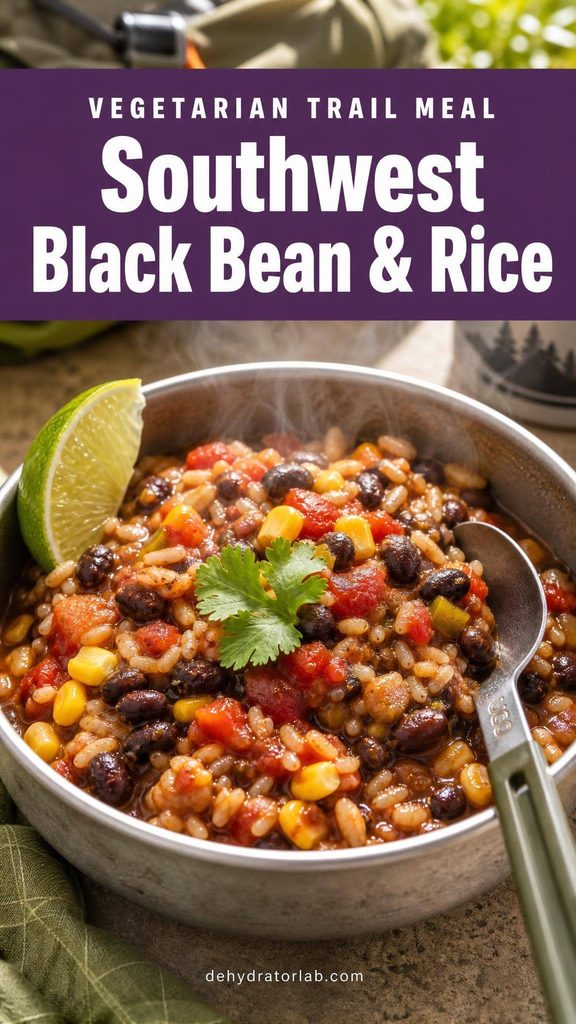
A vegetarian meal that doesn’t feel like a consolation prize. Mix 1 cup cooked black beans, 1 cup cooked rice, ½ cup corn kernels, ¼ cup salsa, and 2 tablespoons taco seasoning. Spread evenly on lined trays.
Dry at 135–140°F (57–60°C) for 7-9 hours. Beans are stubborn — they need a full weigh-check before you call the batch done, since a soft center means moisture is still trapped inside.
At camp, rehydrate with 1 cup boiling water for 15 minutes — beans take a few minutes longer than rice alone. Crumble in a few dehydrated tortilla chips for crunch if you packed any. A cheap, filling meal that punches way above its price.
4. Thai Peanut Noodle Bowl
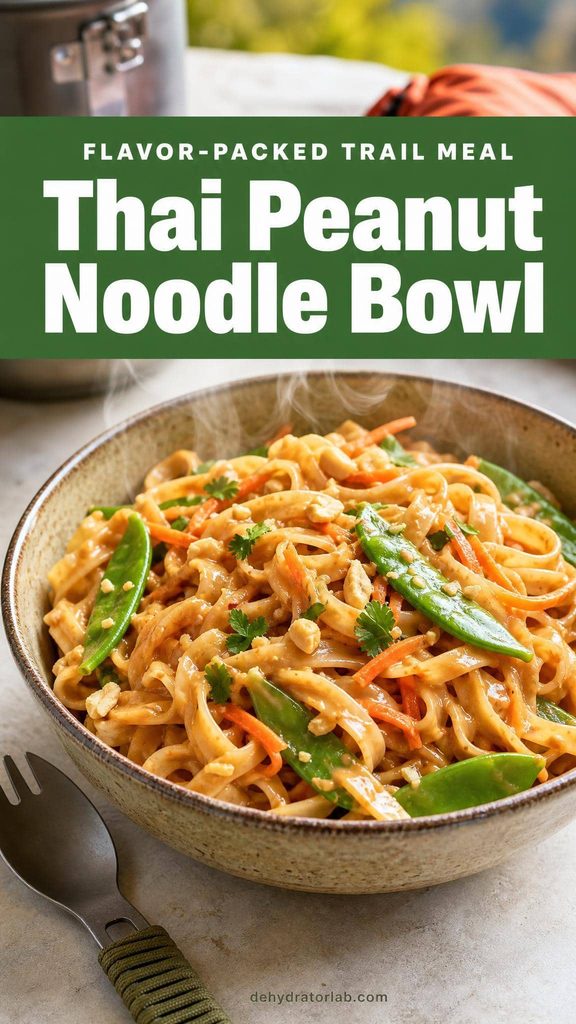
Ever wonder why trail food gets boring by day four? It’s usually the same three flavors on repeat. This one breaks the pattern. Toss 1 cup cooked rice noodles with 3 tablespoons peanut butter powder, ½ cup shredded carrot, ¼ cup chopped snow peas, and 1 teaspoon dried ginger powder.
Spread thin and dry at 135°F (57°C) for 6-7 hours, checking that the noodles snap cleanly rather than bend. Peanut powder clumps a little in the dehydrator — that’s expected, it breaks apart fine once rehydrated.
Add 1 cup boiling water plus a splash of soy sauce packet at camp, stir well, and give it 10 minutes to soften. The peanut sauce alone is worth packing this one twice a trip.
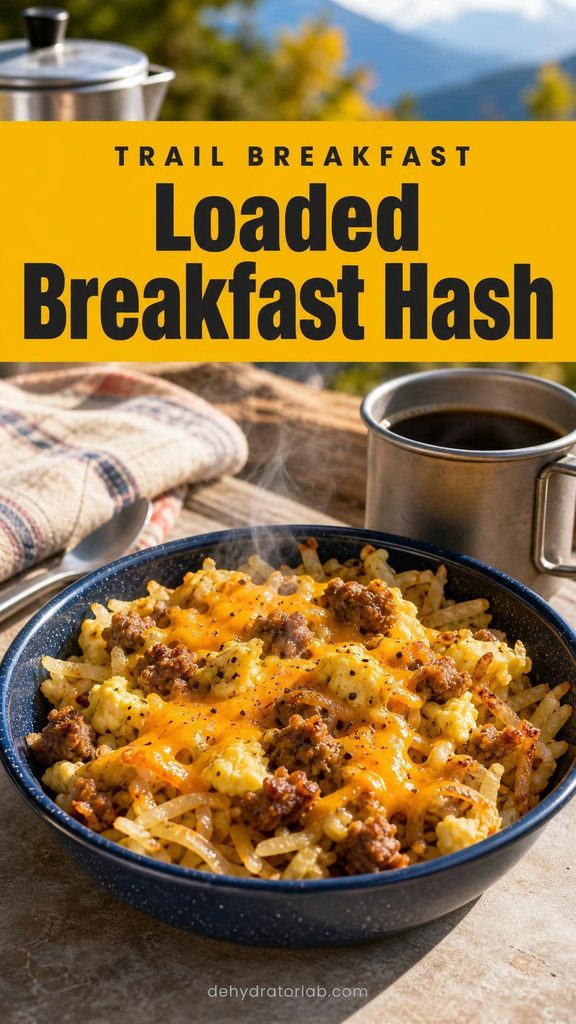
5. Loaded Breakfast Hash
Most backpackers eat a cold breakfast bar and call it done. I’d rather have a hot hash waiting for me on a cold morning. Combine 1 cup dehydrated scrambled eggs (rehydrated first, then re-dried with the mix — or use freeze-dried egg crumbles), ¾ cup shredded hash brown potatoes, ½ cup cooked breakfast sausage crumbles, and ¼ cup shredded cheddar.
Dry the potato and sausage portion at 135–140°F (57–60°C) for 6-8 hours, until the potato shreds are hard and brittle. Keep the cheese separate in its own small bag — cheese dries unevenly mixed in with everything else and is better added fresh at camp if you’re carrying a block.
Rehydrate with 1 cup boiling water for 10 minutes, sprinkle the cheese on top to melt from residual heat. A hot breakfast changes the whole morning.
6. Tuna Noodle Bowl
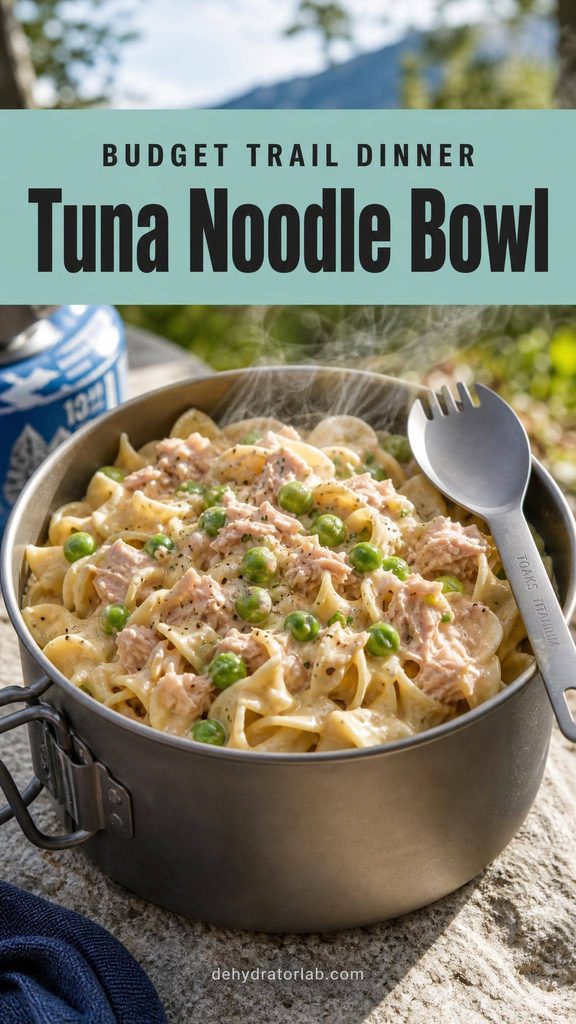
Canned tuna is one of the cheapest complete proteins you can buy, and it dehydrates surprisingly well. Combine 1 can (drained) dehydrated canned tuna, 1 cup cooked egg noodles, ½ cup peas, and 3 tablespoons powdered milk mixed with 1 tablespoon butter powder for the sauce base.
Spread thin and dry at 140°F (60°C) for 5-6 hours, since tuna is already fully cooked and lean — it dries fast. Watch it closely past hour four so it doesn’t over-dry and go tough.
Rehydrate with 1 cup boiling water for 10-12 minutes, stirring halfway through so the milk powder dissolves evenly instead of clumping at the bottom. Comfort food that fits in your palm.
7. Chicken Fajita Rice Bowl
FYI, this one’s a crowd-pleaser if you’re hiking with a group that likes things spicy. Mix 1 cup diced cooked chicken, 1 cup cooked rice, ½ cup sliced bell pepper, ¼ cup diced onion, and 1 tablespoon fajita seasoning (chili powder, cumin, paprika, garlic powder).
Dry at 135–140°F (57–60°C) for 6-8 hours. Peppers and onions release moisture as they dry, so rotate your trays midway to keep drying even across the batch.
- Toss in dried lime zest for a brighter finish.
- Pack a small hot sauce packet separately for anyone who wants extra heat.
- Rehydrates with 1 cup boiling water in 12 minutes — spicy, filling, and gone in one sitting.

8. Apple-Cinnamon Sausage Skillet
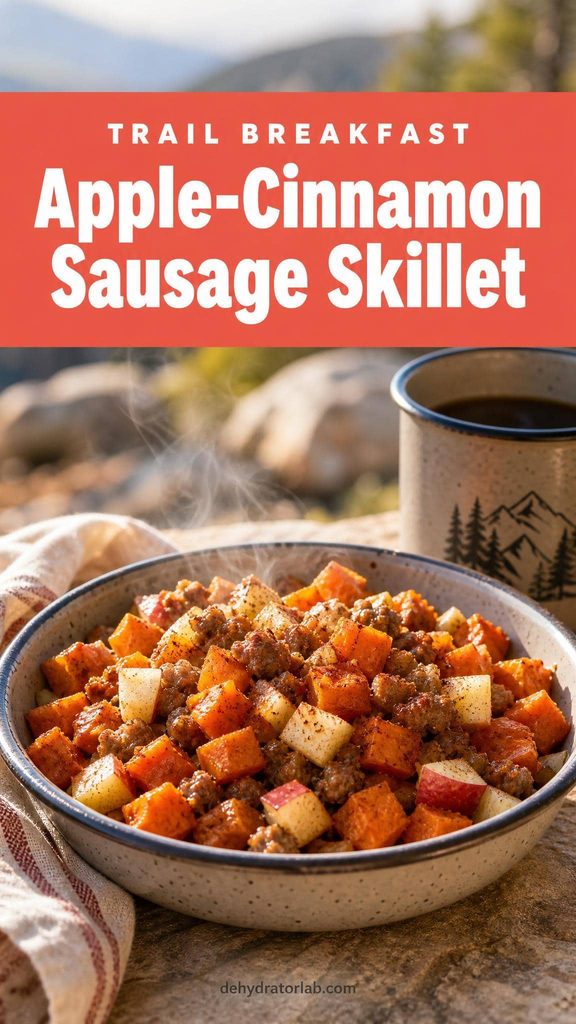
A second breakfast option, because one hot breakfast in the rotation isn’t enough on a longer trip. Combine ½ cup cooked breakfast sausage crumbles, ¾ cup diced sweet potato (pre-cooked), ½ cup diced apple, and ½ teaspoon cinnamon.
Dry at 135°F (57°C) for 7-9 hours — sweet potato holds moisture longer than you’d expect, so don’t rush the tail end of the cycle. It should snap, not bend, when fully done.
Rehydrate with ¾ cup boiling water for 10 minutes. The apple sweetness against the savory sausage is an odd pairing on paper and a genuinely good one in a bowl. Breakfast doesn’t have to be boring on day six.
9. Curried Chickpea & Rice
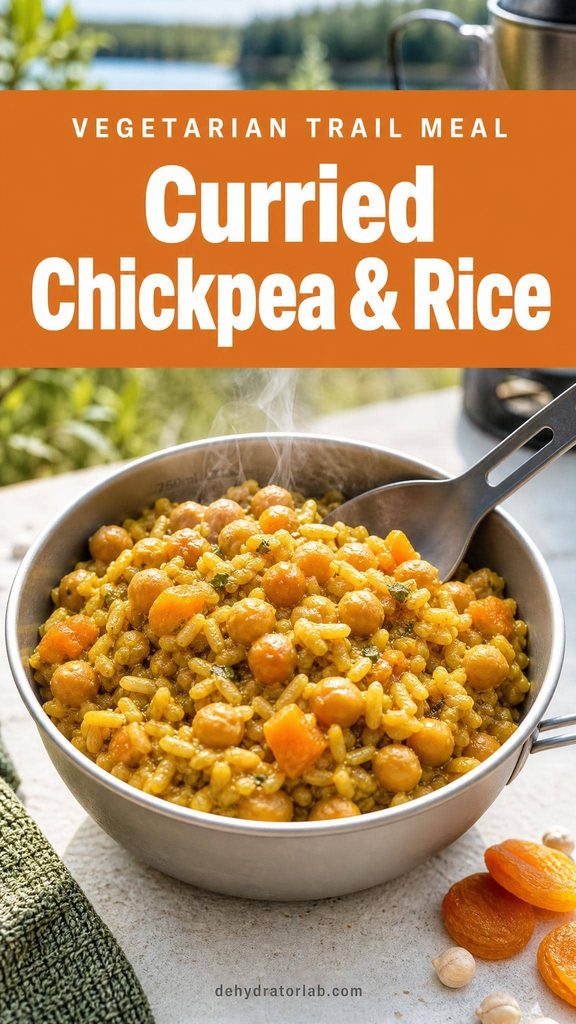
A different lentil-and-legume angle than the dahl already on the site — this one leans on chickpeas and skips the coconut milk for a drier, more portable curry. Mix 1 cup cooked chickpeas, 1 cup cooked rice, ¼ cup diced dried apricot, and 1½ tablespoons curry powder blend.
Dry at 135–140°F (57–60°C) for 7-9 hours. Chickpeas are dense, so give the batch the full weigh-check before calling it done — a soft center means more time on the tray, not more heat.
Rehydrate with 1 cup boiling water for 15 minutes, longer than most meals here since chickpeas take their time softening back up. Worth the extra few minutes of patience.
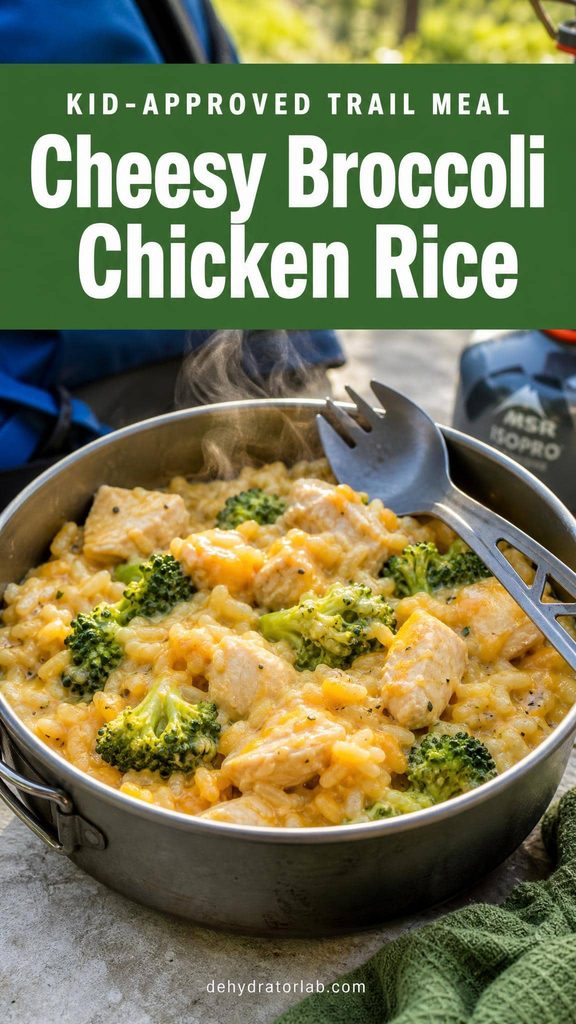
10. Cheesy Broccoli Chicken Rice
A meal built for the picky eater in your group, kid or adult. Combine 1 cup diced cooked chicken, 1 cup cooked rice, ¾ cup chopped broccoli (blanched first), and 3 tablespoons cheese powder.
Dry at 135–140°F (57–60°C) for 6-8 hours. Broccoli can turn leathery instead of brittle if it’s cut too thick — keep the florets small, roughly pea-sized, for even, thorough drying.
Rehydrate with 1 cup boiling water for 12 minutes, stirring the cheese powder in well so it doesn’t clump at the bottom. Mild, cheesy, and about as close to a home-cooked casserole as your pack will ever taste. Even the fussy eaters ask for seconds.
How Much Water Each Meal Actually Needs
The quantities above are starting points, not gospel. The real number comes from your own kitchen: weigh each meal right before it goes in the dehydrator, then weigh it again the second it comes off the trays. The difference in grams is the exact amount of water — in milliliters — you’ll need to bring it back to life at camp.
Write that number directly on the resealable bag with a permanent marker, right next to the meal name. Future you, standing at a camp stove in the dark with a headlamp, will not want to do math. I learned this one the hard way after guessing on a stroganoff bag and ending up with beef soup instead of dinner.
As a rough starting range across these ten meals: rice-and-protein bowls run 1–1¼ cups water, bean-and-legume meals run slightly more at 1–1¼ cups but need a longer soak, and lighter noodle dishes usually land around ¾–1 cup. Always bring a little extra water to camp — it’s easier to add more than to fix a soupy bag with no stove nearby.
Personal Tips You Can Steal
I portion every meal into its own labeled bag before I leave the house — meal name, water amount, and cook time written right on it in marker. I trim every scrap of visible fat off meat before cooking it down, since fat is what turns a shelf-stable meal into a rancid one three weeks in.
I always dry-run a brand-new recipe in my own kitchen before it goes anywhere near a trailhead — a meal that tastes off at home is not something I want to discover ten miles from the car. And I double-bag anything with cheese powder in it, because cheese dust finds its way into every corner of a backpack otherwise.
Final Thoughts
Ten meals is enough variety to get through most weeklong trips without repeating a dinner, and every one of them costs less and tastes better than what you’d find in a resupply aisle. Build a batch on a rainy weekend, vacuum-seal them, and your pack is ready whenever the trail is.
Since these meals involve cooked meat and eggs, don’t skip the food-safety basics — the USDA’s guidance on drying meat safely is worth a quick read before your first batch, and the National Center for Home Food Preservation’s drying guide is a solid general reference for temperatures and timing across the board.
For gear, I run every one of these meals through a vacuum sealer before they go in the pack — it keeps moisture and pests out for months. A cheap digital kitchen scale is non-negotiable for the weigh-before-and-after method, and I keep a stack of reusable freezer pouches on hand for meals I’m eating within a few weeks instead of vacuum-sealing.
Related reading: if you want the three recipes I didn’t repeat here, check out Epic Dehydrated Meals for Your Next Camping Trip and 10 Dehydrated Foods That Are Perfect for Hiking. For single-meal deep dives, I’ve also got a full dehydrated chili backpacking meal and a dehydrated beef stew backpacking meal written up on their own.
P.S. Do the water-weight math before you leave the kitchen, not on the trail. Happy dehydrating! 🙂