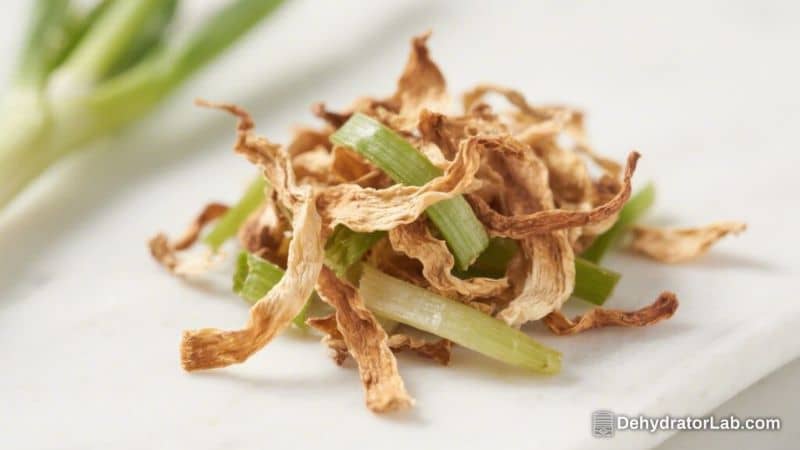
Ever toss a soft apple, a heel of bread, or the last cup of rice nobody wants to reheat?
A dehydrator catches almost all of that before it hits the trash. This isn’t a list of fun things to dry for the novelty — every item here is something that was already headed for the bin, turned into a pantry ingredient instead. No new groceries required, just what’s already sitting in your kitchen.
Let’s put your dehydrator to work catching food before it’s gone for good.
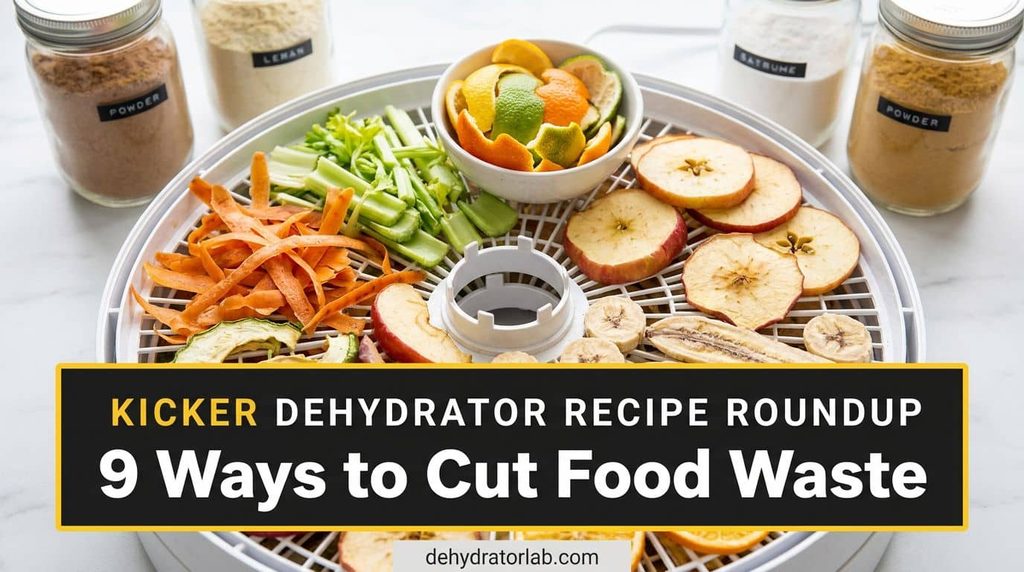
In this article:
TL;DR: Key Takeaways
- ♻️ 9 ways to dehydrate food that was already headed for the trash — scraps, leftovers, and near-spoiling produce.
- 🥕 Vegetable scraps and peels turn into broth powder instead of going straight into the compost bin.
- 🍎 Softening fruit still works great dehydrated — texture doesn’t matter once it’s dried and chewy.
- 🌡️ Most rescue items dry at 125–140°F (52–60°C); cooked leftovers run a bit hotter, 140–155°F (60–68°C).
- 🍞 Even stale bread and leftover broth have a second life as breadcrumbs and bouillon powder.
- 📦 Stored airtight, most of these keep 3-6 months in the pantry, longer in the freezer.
Nine ways to stretch every bit of food you’ve already paid for. Let’s get into it.
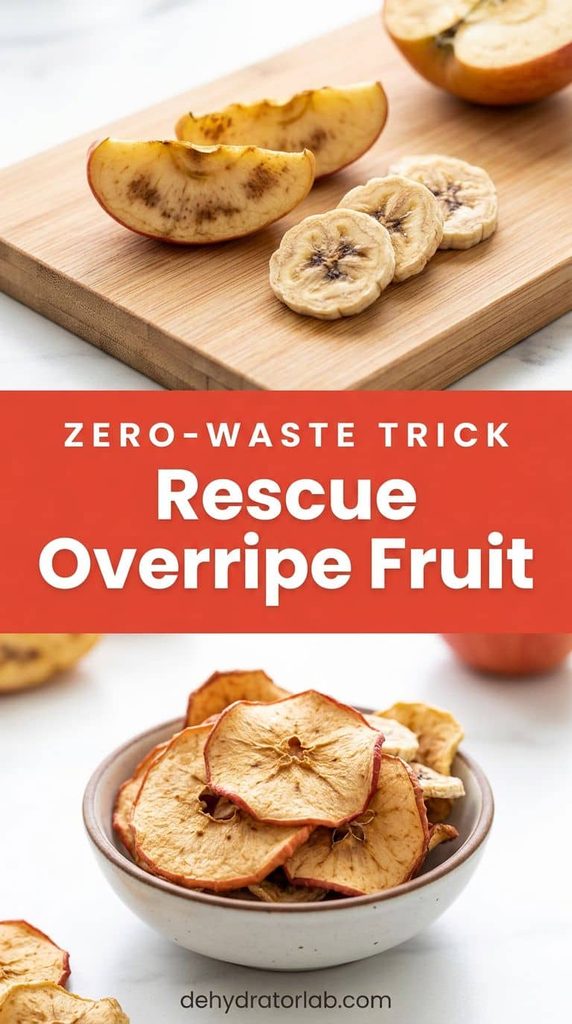
1. Rescue Near-Spoiling Fruit
That soft apple, spotty banana, or sad handful of berries nobody wants to eat fresh is exactly what a dehydrator wants. Texture doesn’t matter once it’s dried and chewy — slightly mushy fruit actually dries a little faster than firm fruit since it’s already lost some structure.
Slice into ⅛-inch pieces, trim any actual bruised or moldy spots first, and dry at 135–140°F (57–60°C) for 6-10 hours depending on the fruit. For technique on the most common rescue candidates, see my best apples to dehydrate guide and fruit leather recipes roundup — leather is the best call for anything too soft to slice cleanly.
The fruit bowl’s last chance before the compost bin.
2. Vegetable Scraps Into Broth Powder
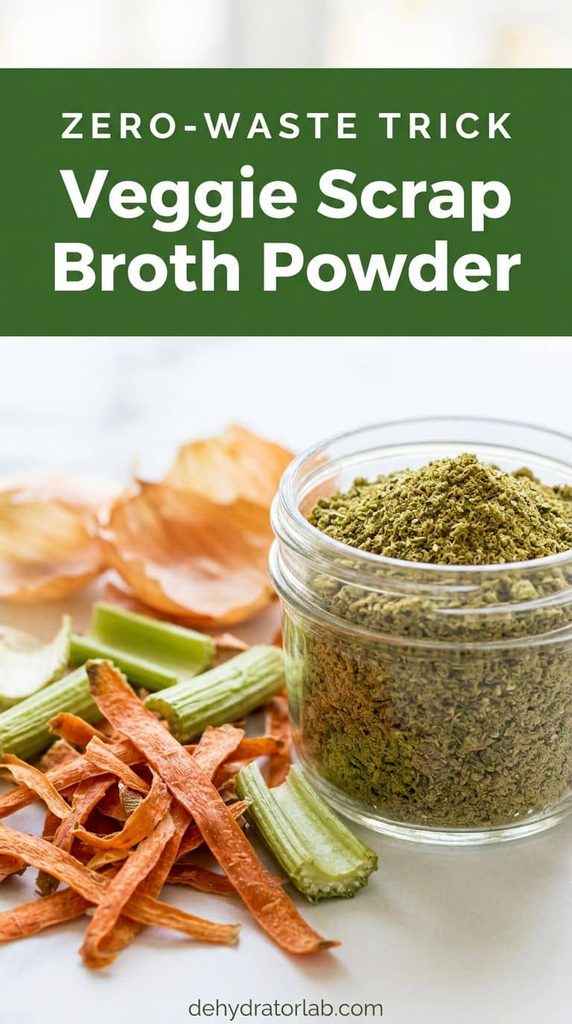
Carrot peels, celery ends, onion skins, mushroom stems — the parts you’d normally toss straight into the compost bin all carry real flavor. Spread the scraps in a single layer, no need to wash off every last bit of dirt beyond a rinse, and dry at 125–135°F (52–57°C) for 6-8 hours until fully brittle.
Blend the dried scraps into a coarse powder and use it exactly like store-bought bouillon. My dehydrated celery powder and dehydrated carrots guides cover the single-ingredient version if you want to start smaller.
- Skip nothing but actual rot — peels and ends are fair game
- Blend into a coarse powder once fully brittle
- Use it as a one-for-one bouillon swap
Free flavor that was already headed for the compost.
3. Leftover Rice and Grains
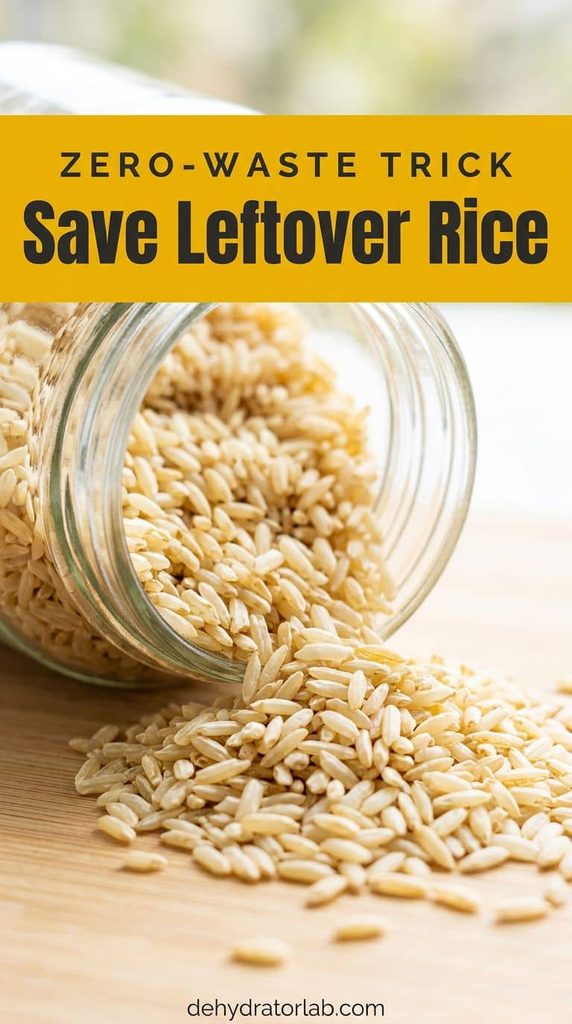
Ever make too much rice and end up tossing the same sad container three days later? Spread cooked, cooled rice in a thin layer and dry at 125–135°F (52–57°C) for 4-6 hours until fully hard and rattly — no tacky spots anywhere.
Rehydrate with hot water for a few minutes and it’s back to a normal side dish, or toss it straight into soup. My dehydrated cooked white rice guide has the full method, and it works the same way for quinoa, couscous, and most other cooked grains.
The side dish that gets a second dinner instead of the trash.
4. Herbs Before They Wilt
FYI, fresh herbs are one of the fastest things to go from vibrant to slimy in the crisper drawer. The second a bunch starts looking tired, rinse, pat completely dry, and dry at 95–105°F (35–41°C) for 2-4 hours until the leaves crumble between your fingers.
Low heat matters here — too hot and you cook off the volatile oils that give herbs their flavor in the first place. My best dehydrator for herbs guide and homemade herb blends roundup cover what to do with them once they’re dry.
Caught right before the crisper drawer wins.

5. Garden and Market Surplus
Worth noting: a zucchini glut or a flat of tomatoes at the end of a farmers market haul is the exact scenario a dehydrator was built for. Slice zucchini into ¼-inch rounds and dry at 125–135°F (52–57°C) for 6-8 hours; halve or slice tomatoes and dry at 135–145°F (57–63°C) for 8-12 hours until leathery or fully crisp, your call.
Both store for months once dry, which beats letting a whole harvest go soft in the crisper before you can cook through it. See my how to dehydrate zucchini and dehydrated sun-dried tomatoes guides for the full method.
The whole harvest, none of it wasted.

6. Leftover Cooked Meat
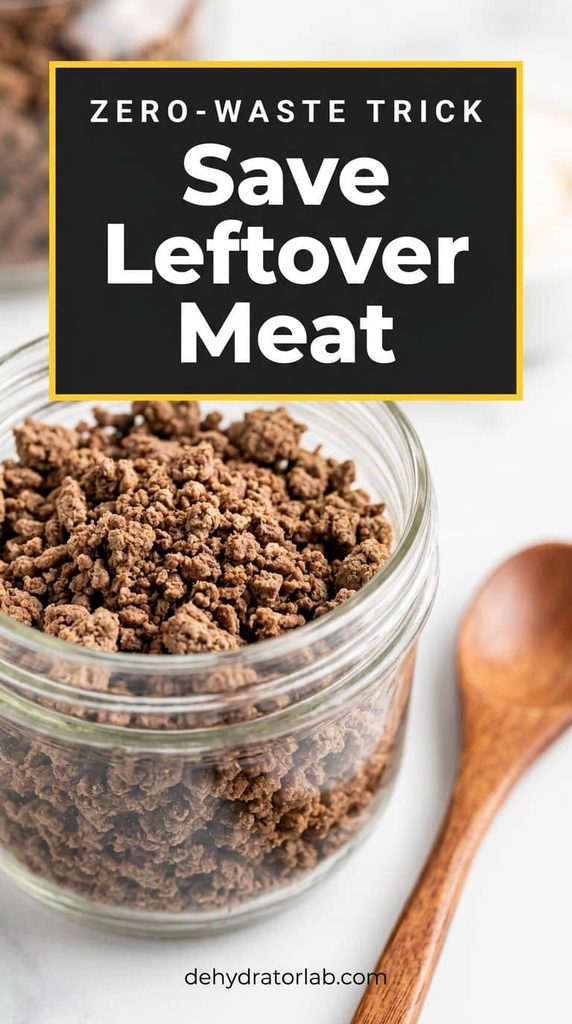
A small container of leftover cooked ground beef, shredded chicken, or pulled pork that’s too small for a real meal but too much to just toss is a perfect dehydrator candidate. Spread it in a thin, even layer and dry at 145–155°F (63–68°C) for 4-6 hours until fully hard and dry, with no soft spots.
Rehydrated, it goes right back into tacos, soup, or a quick skillet meal. My dehydrated cooked ground beef guide has the exact method and storage times.
Too little for a meal, too much to throw away — now it’s neither problem.
7. Citrus Peels Into Zest Powder
Be advised, every lemon, lime, and orange you juice leaves behind a peel packed with more flavor than the fruit itself gave up. Zest or thinly peel before juicing, spread in a single layer, and dry at 125–135°F (52–57°C) for 4-6 hours until fully brittle.
Grind into a fine powder for baking, tea, or finishing a savory dish. My dehydrate citrus fruits guide covers whole slices too, if you’d rather dry the fruit alongside the peel.
The part of the lemon everyone else throws away.

8. Stale Bread Into Breadcrumbs
Ever open a bread bag to find the last few slices have gone stiff and stale? Cube or tear the bread, spread on a tray, and dry at 125–135°F (52–57°C) for 2-4 hours until completely hard and dry all the way through.
Pulse in a food processor for instant breadcrumbs, or leave in cubes for homemade croutons. Bread that’s actually moldy still goes in the trash — this only works on stale, not spoiled.
The heel of the loaf gets a second job.

9. Leftover Broth Into Bouillon Powder
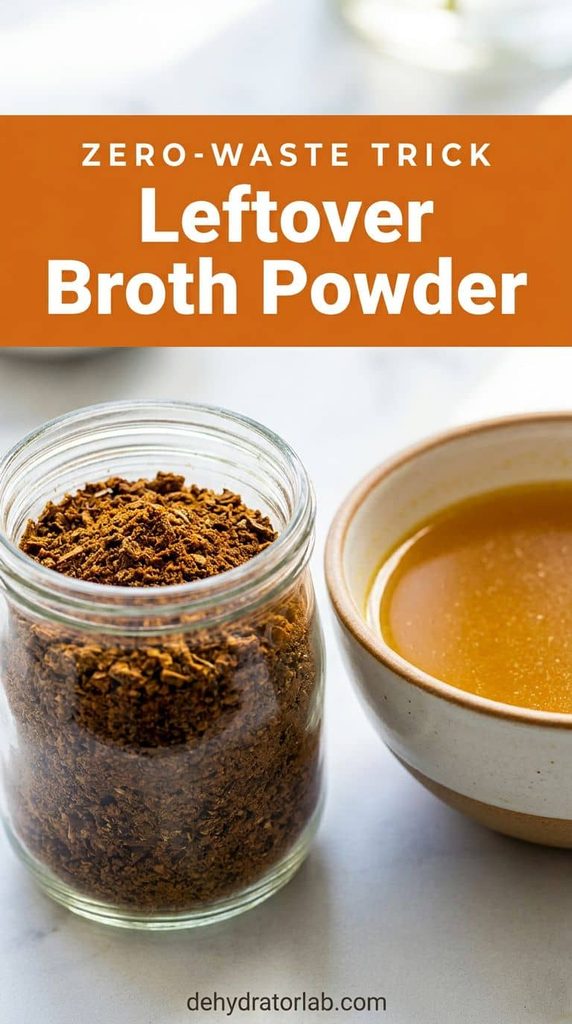
That last cup of broth or soup base sitting in the fridge, too little to freeze and use later but too flavorful to pour out, reduces down beautifully. Simmer it down first to concentrate the flavor, spread thin on a lined tray, and dry at 135–145°F (57–63°C) for 8-12 hours until fully brittle.
Crush into a concentrated powder and reconstitute a spoonful at a time. My how to dehydrate bone broth guide covers the full method, and my dehydrated soup mix roundup has more ways to use it once it’s powdered.
The last cup of broth, concentrated instead of poured out.
Personal Tips You Can Steal
I keep a gallon bag in the freezer just for vegetable scraps and add to it all week until I’ve got enough for a full dehydrator load. I run a “rescue tray” every Sunday for whatever’s gone soft in the fruit bowl instead of letting it sit until it’s actually bad.
I label every scrap powder jar with the date, since it’s easy to forget what’s broth powder versus herb blend once they’re both dried and dark. And I always let leftover meat or rice cool completely before it goes on the tray – warm food dehydrates unevenly and can trap moisture in the center.
Final Thoughts
None of these nine require buying anything extra — they’re all built around food you’ve already got, at the exact moment it would otherwise get tossed. A dehydrator just buys it more time, whether that’s a few days for wilting herbs or a full year for vegetable scrap powder.
Related reading: for more unusual things a dehydrator handles well beyond food, see 10 brilliant uses for a food dehydrator, and for a broader list of foods worth drying in general, check out 10 surprising foods worth dehydrating.
P.S. Start with the vegetable scrap powder if this is your first rescue batch — it’s the easiest to build up gradually in the freezer before you dry it all at once. Happy dehydrating! 🙂