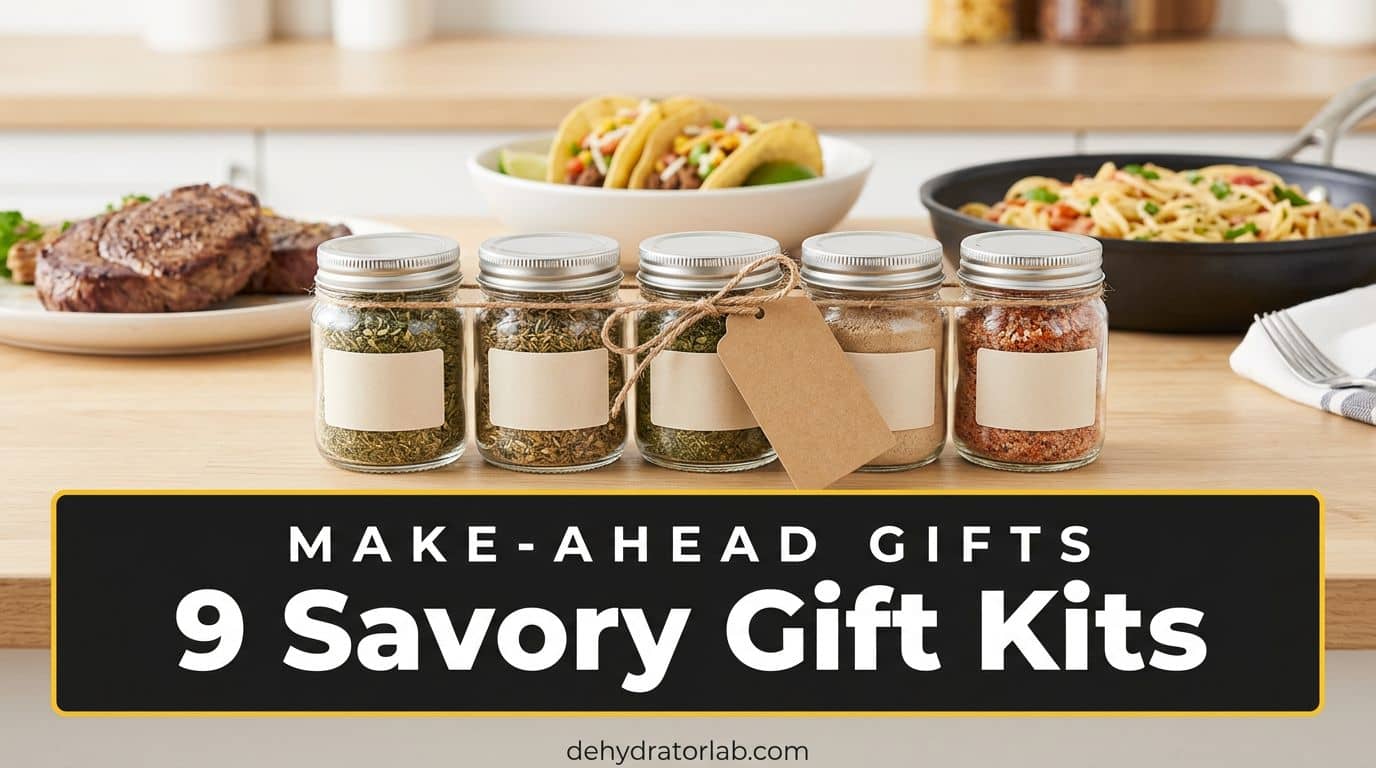
Somebody on your list cooks every night, and their garlic powder has been on the shelf longer than they’d admit. What if their gift was three fresh jars and a card that says exactly what to do with them?
Here are nine savory gift kits you can make now and wrap in December. Every blend inside already has its own recipe on this site, so I link to it instead of repeating it. What’s new here is the kit: which jars go together, how much goes in each, what the card says, and how long it keeps. Let’s fill the gift shelf early.
As an Amazon Associate, I earn from qualifying purchases. If you make a purchase after clicking on a link I may earn a small commission at no extra cost to you if items are purchased.
In this article:
TL;DR: Key Takeaways
- 🎁 Nine kits, each with two or three small jars and a use-it card, and every jar is dry and shelf-stable.
- ⏳ K-State Extension lists herb and spice blends and ground spices at 2 to 3 years, dried vegetables at 1 year, and dehydrated flakes at 6 months, all at 70°F (21°C).
- 🏷️ Missouri Extension lists the date, the ingredients, and the storage instructions for gift labels, and I use that list on every dry jar.
- 🚫 No oil, eggs, dairy, cooked meat, or baking powder goes into any jar, so nothing here needs the fridge.
- 🌾 Sesame is one of the nine major allergens on the FDA list, so the brunch kit needs a label.
- 📝 Every fill amount, use ratio, and card line is my own estimate, and I say so where it matters.
Every kit follows the same three steps. Make the blends from my posts, cool them completely, then jar and label them. Nothing goes in oil, and nothing needs refrigeration. If you’ve already stocked your spice shelf, most of the work is done.
A spice grinder does a lot of the work for these kits, turning dried garlic, onion, mushroom, and zest into fine powder, and the Cuisinart below is one example.

- Electric spice-and-nut grinder with durable stainless-steel blades
- Heavy-duty motor; push-top lid for simple on/off control
- Bowl holds 90 grams; extra storage space in lid; non-slip rubber feet
Before You Wrap: Fill, Label, Store
Every kit is two or three small jars. A 4-ounce jar holds about 1/2 cup, which is plenty for a blend someone uses a pinch at a time. K-State Extension says to keep herbs and spices in airtight containers, in dry places away from sunlight and heat, and it lists blends and ground spices at 2 to 3 years at 70°F (21°C). Dried vegetables get 1 year, and dehydrated flakes get 6 months. It doesn’t name vegetable or mushroom powders, so I treat them like flakes and put a 6-month window on every tag. That window is my own reading.
Missouri Extension wrote its label list for canned food gifts, and it says to include the date made, the ingredients, and the storage instructions, with the ingredient list helping people who have food allergies. I borrow that list for dry jars, which is my own choice. The FDA lists nine major food allergens, and sesame has been one of them since January 1, 2023. That list covers packaged food, not gifts, but I use it as my checklist.
I keep everything dry. There’s no oil, because Penn State Extension warns about homemade garlic and herb oils, and that’s a risk I won’t hand to a friend. There’s no baking powder either, since Missouri says a home-prepared mix with leavening needs a use-by date of one to two months, because baking powder loses its power. I cool every blend completely before it goes in a jar, so steam doesn’t make clumps. Let’s get into it.
1. Steak Night Kit
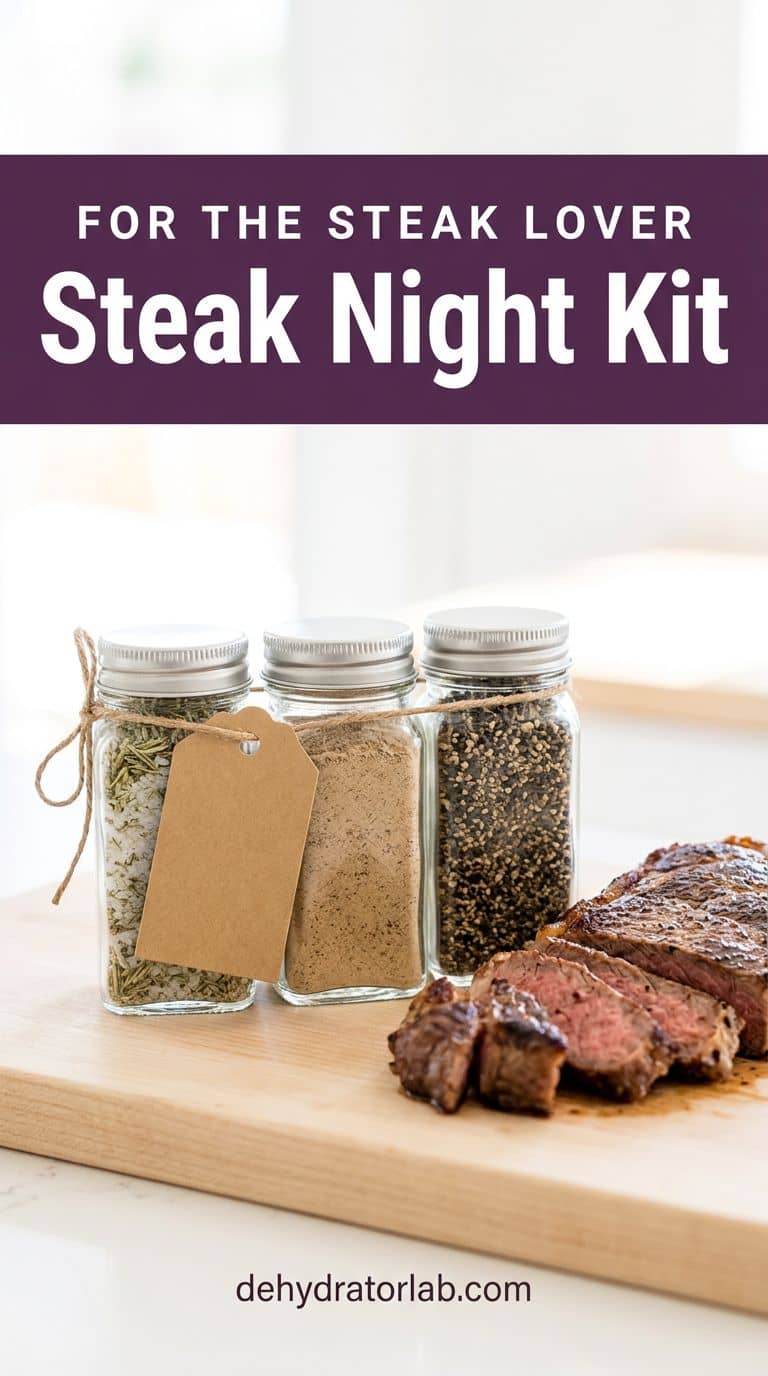
This is the kit for the person who grills in January. It holds three jars: rosemary garlic sea salt from my herb blends roundup, a jar of mushroom powder, and a jar of coarse black pepper. The salt is the finishing touch, the mushroom powder adds a savory depth, and the pepper is the only thing you buy.
Fill the salt jar full, and fill the mushroom powder and pepper jars about half full, since a teaspoon goes a long way. The card says to mix 1 tablespoon of the rosemary garlic salt, 1 teaspoon of mushroom powder, and 1/2 teaspoon of coarse pepper for two steaks. Rub it in, rest the steaks 30 minutes, then cook, and finish with a pinch of the salt. Those amounts are my starting point. The blend already has salt in it, so tell them to hold back on extra. Tag the mushroom powder with the 6-month window. Rub first, finish last.
2. Taco Night Kit
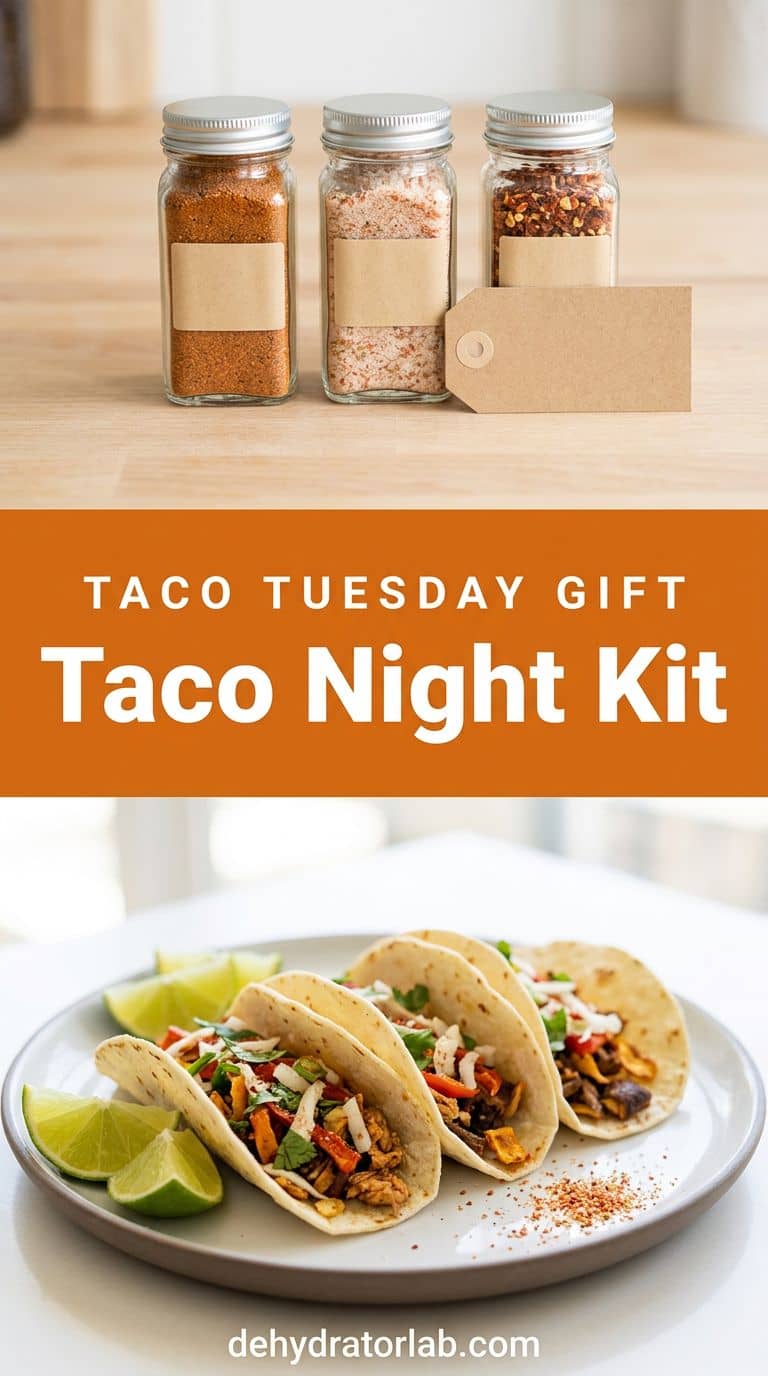
Taco night is the easiest kit to put together. It holds my taco seasoning from the seasoning roundup, a jar of chili-lime salt, and a jar of hot sauce flakes. The seasoning goes in the pan, the salt goes on corn and fruit, and the flakes go on the table for whoever wants more heat.
Fill each jar about three-quarters full. The card says to use about 2 tablespoons of seasoning per pound of ground meat, with 1/4 cup of water while it simmers, the same amount as a store packet. The chili-lime salt goes on corn, mango, cucumber, and glass rims. If the recipient doesn’t eat meat, the same seasoning works on roasted cauliflower or black beans. Warn them about the flakes, since I can’t know how hot your batch runs. The ratios on the card are mine. One kit, three heat levels.
3. Pasta Night Kit
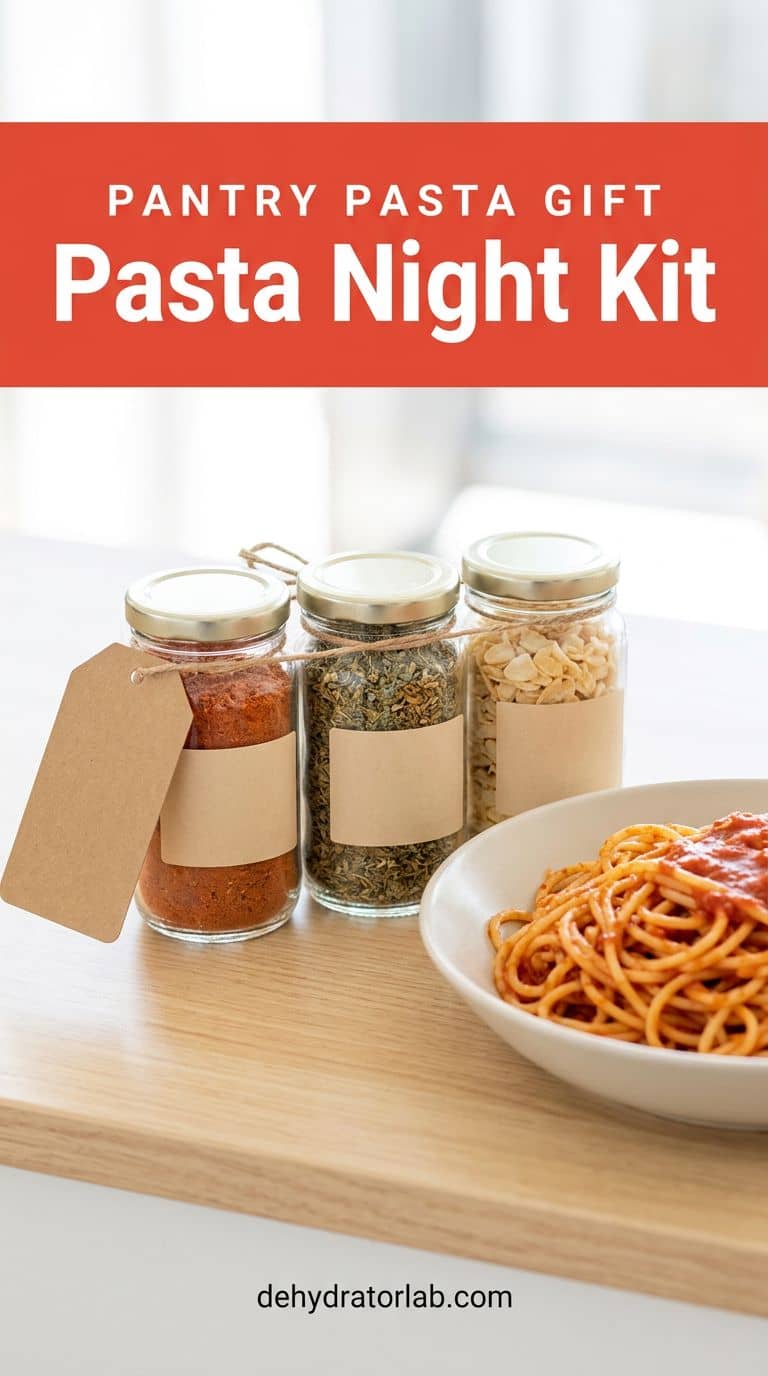
Pasta night needs only three jars: tomato powder, my Italian herb blend, and garlic flakes. My creative tomato powder ideas show how far one jar goes beyond sauce, and my garlic guide covers the flakes. The Italian blend is recipe 4 in my seasoning roundup.
Fill the tomato powder jar about three-quarters full, the Italian blend full, and the garlic flakes about half full. The card says to whisk 1/3 cup of tomato powder into 2 cups of warm water, add 1 tablespoon of the Italian blend and 1 teaspoon of garlic flakes, then simmer about 10 minutes and taste. Those amounts are my own. Powders clump when they pick up moisture, so keep the lid tight. Tag the kit with the 6-month window. Warm water first.
- Whisk the powder into warm water first.
- Simmer with the herbs and garlic.
- Loosen with water, not more powder.
4. Sunday Roast Chicken Kit
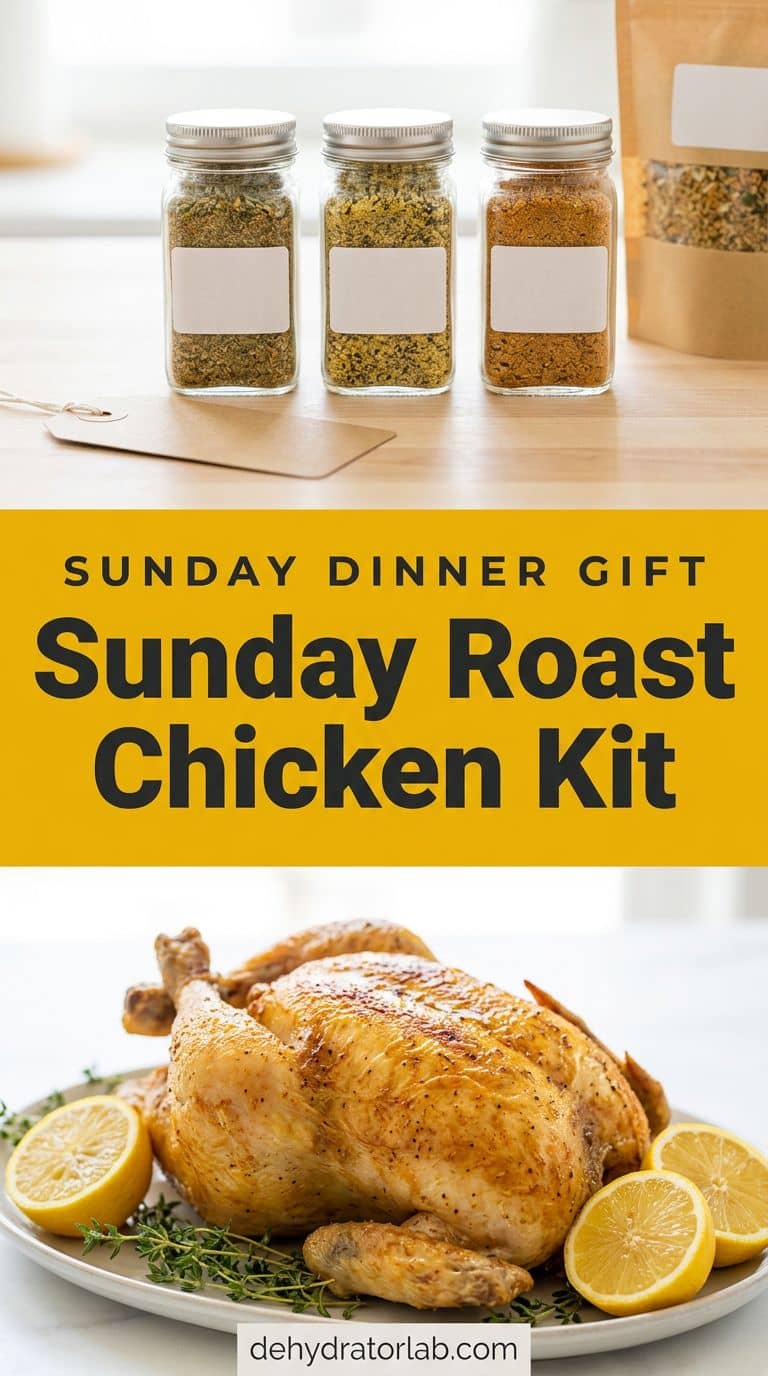
This kit gives one chicken three personalities. It holds my poultry seasoning, my lemon-pepper, and my citrus rub. Poultry seasoning is recipe 4 in the herb blends roundup, lemon-pepper is recipe 9 in the seasoning roundup, and the citrus rub is recipe 4 in my citrus zest and peel recipes. The card says which bird gets which jar: poultry seasoning for the classic roast, lemon-pepper for the bright one, and the citrus rub for a browned crust.
Fill each jar about three-quarters full. The card says to pat the chicken dry, then rub about 1 tablespoon of blend over and under the skin of a 4-pound bird. That amount is my estimate. Cook the chicken to 165°F (74°C), checked with a thermometer. If you want to add a fresh-citrus jar to the box, my lemon zest guide covers it. One bird, three moods.
5. Brunch Kit
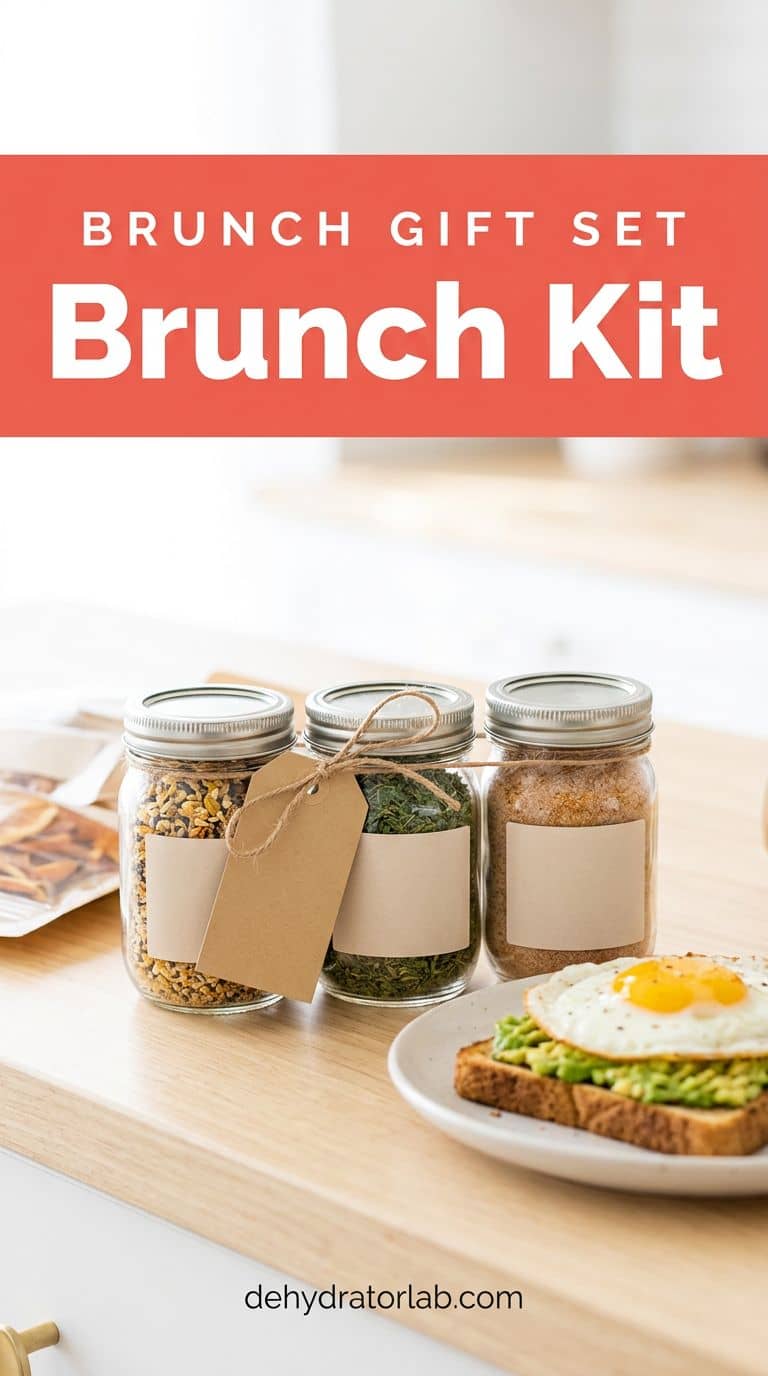
Brunch is for the friend who makes eggs on Sunday and wants them to taste like more than salt. The kit holds my citrus everything topping, my fines herbes, and my orange cinnamon sugar. The topping and the sugar come from that same citrus post, and the fines herbes is recipe 3 in the herb blends roundup.
Fill the topping jar about half full and the other two about three-quarters full. The topping goes on avocado toast and eggs, the fines herbes goes into an omelet at the very end, and the sugar goes on buttered toast or oatmeal. The eggs come from the recipient’s fridge, not from the kit. The topping has sesame in it, so write sesame on the label. I use granulated sugar here, since Missouri Extension notes that brown sugar can harden in a jar. Those uses are my suggestions. Label the sesame.
6. Grill Master Rub Trio
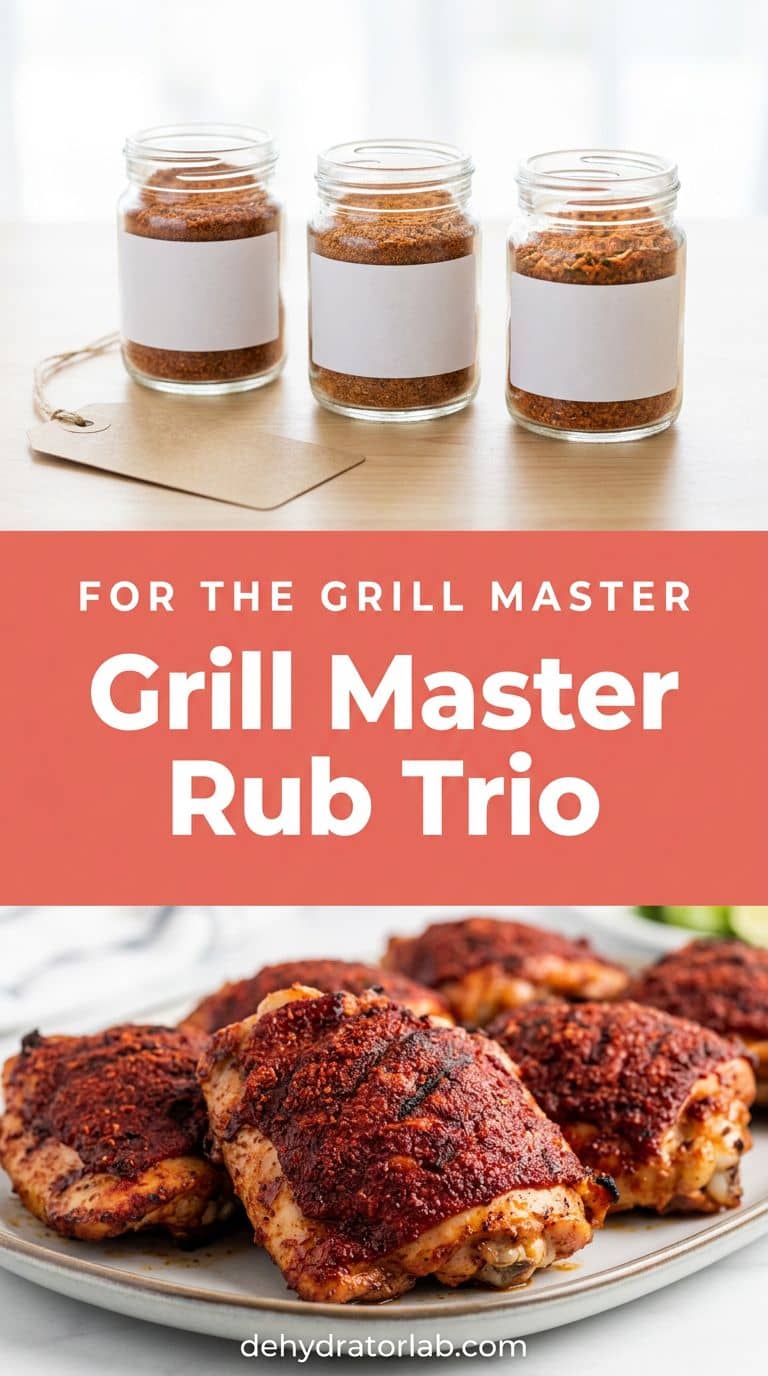
Three rubs make three kinds of grill night. The kit holds my smoky BBQ rub, my Cajun-Creole blend, and my kimchi rub for chicken, pork chops, or tofu. The BBQ rub and the Cajun blend are in the seasoning roundup, and the kimchi rub is recipe 4 in my condiment roundup.
Fill each jar about three-quarters full. The card says to press about 1 tablespoon of rub per pound of meat onto dry meat, then rest it at least 30 minutes before it hits the heat. The 30 minutes comes from my BBQ rub recipe, and the tablespoon is my estimate. The BBQ rub has brown sugar, which Missouri Extension notes can harden in a jar, so tell the recipient to shake it and use it within a few months. That timing is my habit, not a tested standard. Rest the rub, not just the meat.
- Pat the meat dry before the rub goes on.
- Press it in and rest at least 30 minutes.
- Shake the BBQ jar, because the sugar settles.
7. Curry Night Kit
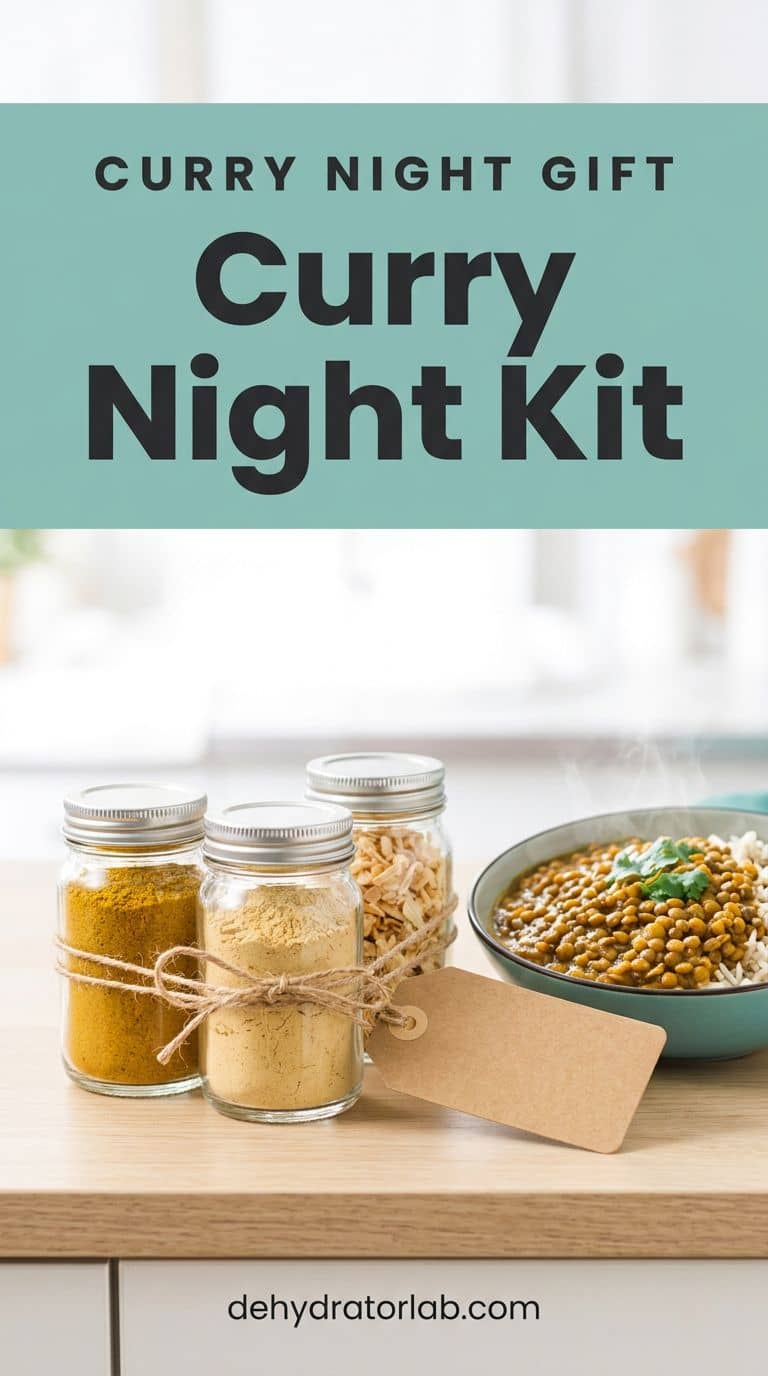
Curry night is the kit for someone who loves cooking from one pot. It holds my curry powder, a jar of ginger powder, and a jar of dried onion flakes. The curry blend is recipe 8 in the seasoning roundup, so I’ll skip the ratios here. My onion guide covers the flakes.
Fill the curry jar full, the ginger jar about half full, and the onion jar about three-quarters full. The card says to bloom 1 tablespoon of curry powder in hot oil for about 30 seconds, then add water or broth, 1/4 cup of onion flakes, and 1 teaspoon of ginger. Add lentils or vegetables and simmer until tender. Those amounts and times are mine. For a plain bowl of rice, a pinch of the curry stirred in does the job too. Onion flakes are dehydrated flakes, so tag the kit with the 6-month window. Bloom first, then add liquid.
8. Broth Booster Kit
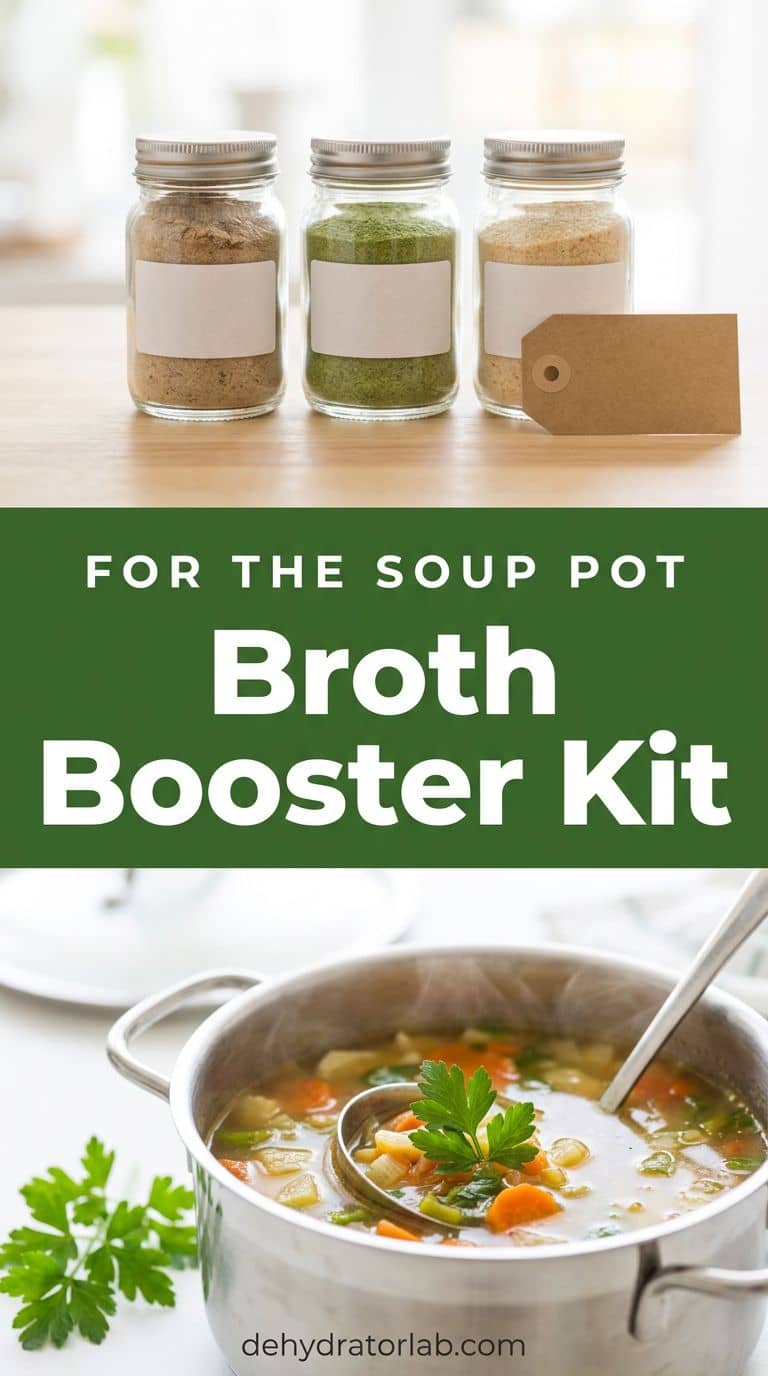
This kit is for the person who makes soup every Sunday. It holds mushroom powder, celery powder, and an onion-garlic powder from my onion, garlic, and shallot powders. None of them has salt in it, so the cook decides how salty the pot gets. My post on broth ingredients explains what each one does, and my vegetable powder roundup shows how to make them.
Fill each jar about three-quarters full. The card says to start with 1/2 teaspoon of each powder per quart of broth or soup, taste, and add more a pinch at a time. That amount is my estimate. If you want to give a full bowl, pair the kit with a jar from my soup mix recipes. Tag the kit with the 6-month window. Season in the pot, not in the jar.
9. Popcorn Night Kit
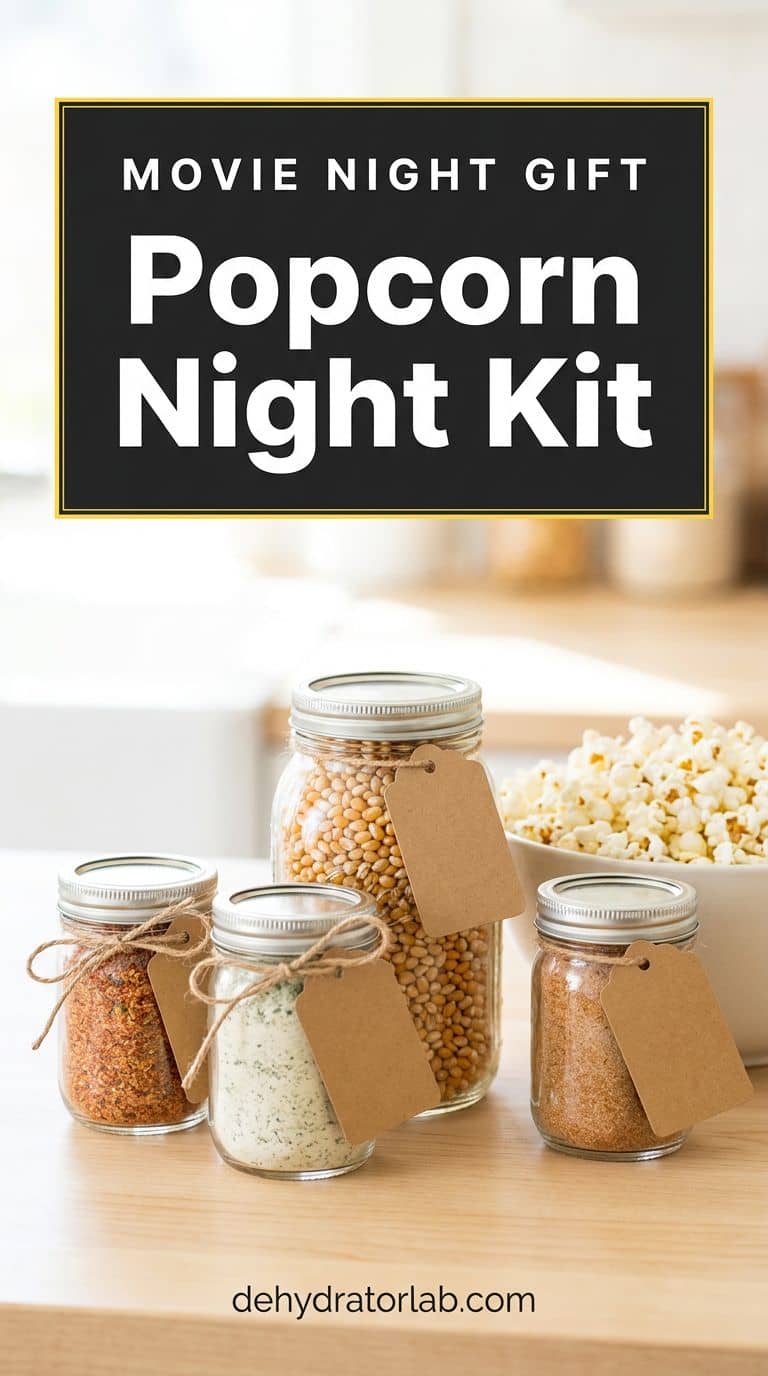
Popcorn night is the cheapest kit on the list, and the one kids and adults open first. It holds a jar of popcorn kernels and three small seasoning jars: my chili-lime salt, my ranch seasoning, and my orange cinnamon sugar. The ranch is recipe 3 in the seasoning roundup, and my dill guide covers its main herb.
Fill each seasoning jar about half full, since a little goes a long way on popcorn. The card says to toss a bowl of freshly popped corn with a little melted butter or oil, then 1 teaspoon of seasoning, tasting as you go. That amount is mine. The ranch in my seasoning roundup has no buttermilk powder, so the jars stay free of dairy, but write the ingredients on the label anyway. Butter helps it stick.
Quick Reference: Nine Gift Kits at a Glance
| Kit | Jars | Heads-up for the card |
|---|---|---|
| 1. Steak Night | Rosemary garlic salt, mushroom powder, coarse pepper | The blend is already salted |
| 2. Taco Night | Taco seasoning, chili-lime salt, hot sauce flakes | Warn about the heat |
| 3. Pasta Night | Tomato powder, Italian blend, garlic flakes | Keep the lid tight, powders clump |
| 4. Sunday Roast Chicken | Poultry seasoning, lemon-pepper, citrus rub | Cook chicken to 165°F (74°C) |
| 5. Brunch | Citrus everything topping, fines herbes, orange cinnamon sugar | Contains sesame, so label it |
| 6. Grill Master Rub Trio | BBQ rub, Cajun-Creole blend, kimchi rub | BBQ rub has brown sugar, which can harden |
| 7. Curry Night | Curry powder, ginger powder, onion flakes | Bloom the curry in oil first |
| 8. Broth Booster | Mushroom powder, celery powder, onion-garlic powder | No salt in the jars |
| 9. Popcorn Night | Popcorn kernels, chili-lime salt, ranch, cinnamon sugar | Write the ingredients on the label |
The storage windows for blends, ground spices, dried vegetables, and dehydrated flakes, and the airtight, dry, away-from-heat advice, follow K-State Extension. The label list (written for canned gifts, borrowed here for dry jars), the one-to-two-month use-by for mixes with leavening, and the note that brown sugar might harden over time follow Missouri Extension.
The warning about homemade garlic and herb oils follows Penn State Extension. The nine major allergens, including sesame since January 1, 2023, follow the FDA. Every fill amount, every use ratio, every card line, the 6-month tag window for powders and flakes, and the use-within-a-few-months habit for the BBQ rub are my own.
Personal Tips You Can Steal
I fill every jar at least halfway, so there’s less air inside. I use labeled spice jars for the blends and glass jars for the bigger fills. I write the make date and the 6-month window on every label. I add a use-it card to every kit, because people forget what a jar is for. I taste every blend before it goes in a gift. I make the kits in early November, so the week before the holidays is only wrapping.
Final Thoughts
You don’t need all nine. Pick the one that fits the person, fill the jars this weekend, and write the card while the recipes are fresh in your head. For sweet and snack gifts, my gift basket ideas are the next stop.
Related reading: 6 holiday treat recipes, 7 stocking stuffer snacks, and 5 spiced fruit leather gifts.
P.S. The best card is the one that says what to cook tonight. 🙂
Printable Recipe Card
Want just the essential recipe details without scrolling through the article? Get our printable recipe card with just the ingredients and instructions.