
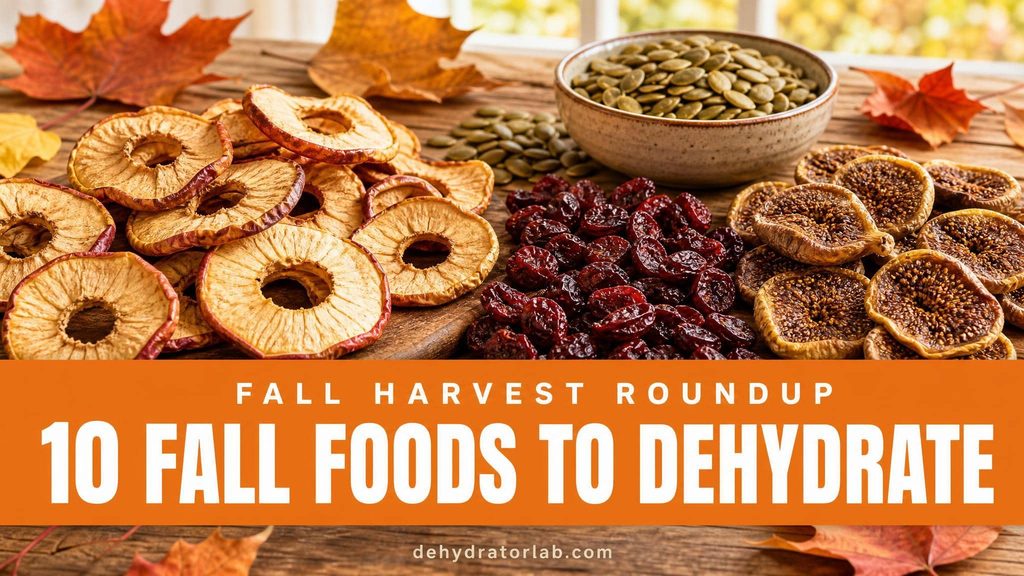
Ever notice how the farmers market completely changes over the first cool week of fall? Apples show up in five varieties, cranberries hit the shelves, and suddenly every stand has a bowl of pomegranates nobody quite knows what to do with. Your dehydrator is the answer to all of it.
This isn’t another squash-and-root-vegetable chip roundup — you can find plenty of those already. This one skips the gourds entirely and goes after the fruit, seeds, and herbs that make fall smell like fall. Let’s turn the harvest into snacks that last through winter. And if harvest season is what finally pushed you to buy a machine, my picks for a starter dehydrator are the place to begin.
As an Amazon Associate, I earn from qualifying purchases. If you make a purchase after clicking on a link I may earn a small commission at no extra cost to you if items are purchased.
In this article:
TL;DR: Key Takeaways
- 🍎 Apples, pears, cranberries, figs, and grapes all turn into shelf-stable fall snacks
- 🍄 Wild mushrooms dry into an umami-packed pantry staple, not just a snack
- 🌿 Fresh fall herbs dry in a few hours and outlast anything from the spice aisle
- 🎃 Pumpkin seeds and sweet corn round out the crunchy, savory side of the list
- 🌡️ Most fruit dries at 125–140°F (52–60°C); herbs and mushrooms run cooler and faster
- ✅ None of this overlaps the squash or root vegetable chip lineup — pure fruit, seed, and herb territory
Fall produce runs a wider range than summer fruit — some of these are watery and thin-sliced, some are whole and just need patience. Spread everything in a single layer with no overlap (silicone dehydrator sheets catch anything small enough to fall through the mesh), rotate trays partway through on a loaded dehydrator, and cool completely before sealing anything into airtight glass jars — warm food in a sealed jar just steams itself soft again.
1. Apples
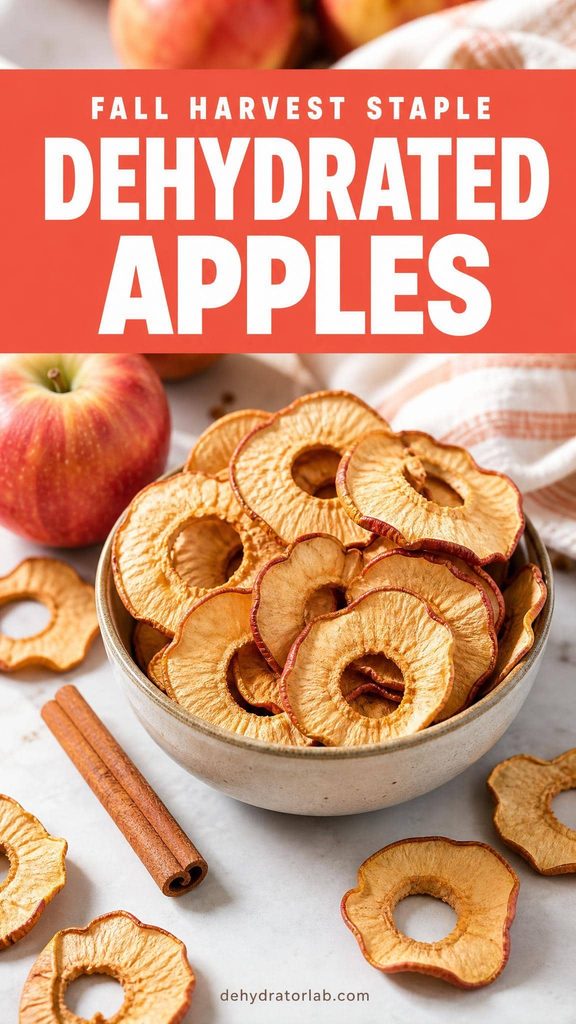
Fall’s headline fruit, and for good reason — apples dry into chewy rings or crisp chips depending on how thin you slice and how long you run the tray. My dehydrated apple recipes roundup covers flavor variations if plain rings get boring after the third batch.
A quick lemon water dip before drying keeps the rings from browning too fast, and tart varieties like Granny Smith hold their tang better than sweet ones once dried. Dry at 135–140°F (57–60°C) for 6-10 hours depending on thickness. The one every fall snack drawer needs first.
2. Pears
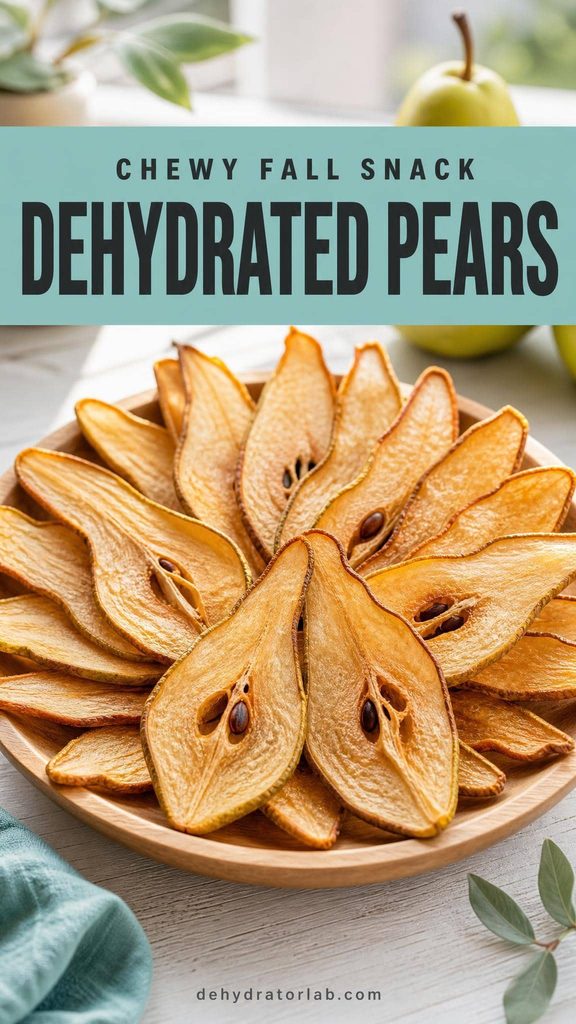
Pears bring a softer, honeyed sweetness than apples, and they dry into a texture closer to fruit leather than a crisp chip — a good thing if you want a chewier snack. Slice them a bit thicker than apples since pears have more moisture to push out.
Pick pears that are ripe but still firm — overripe fruit turns mushy on the tray before it ever gets a chance to dry evenly. Dry at 135°F (57°C) for 8-12 hours until leathery with no wet spots left in the center. Softer, sweeter, and often overlooked next to apples.
3. Cranberries
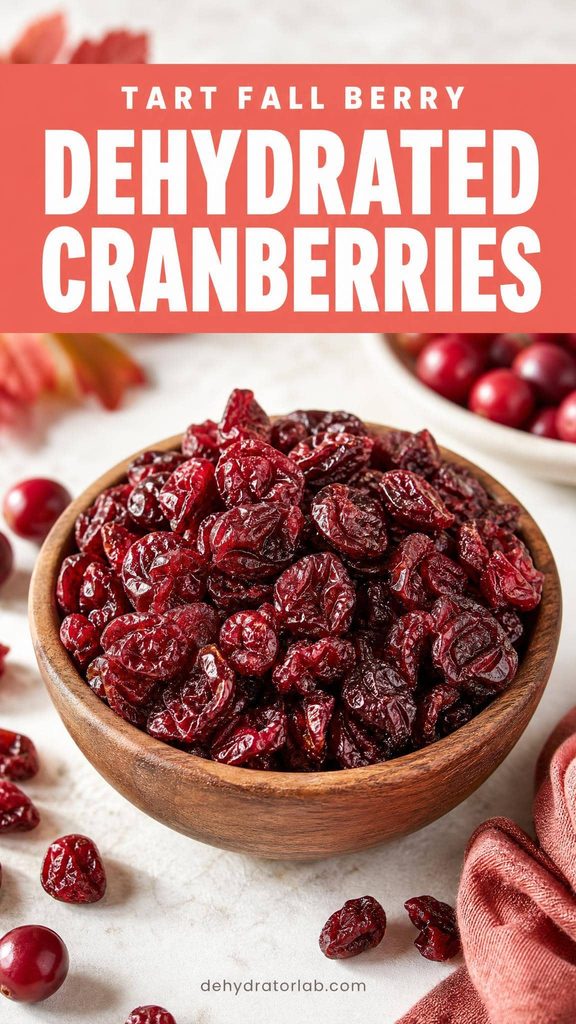
Fresh cranberries are too tart and too tough-skinned to dry straight off the bag — blanch them for 30-60 seconds first so the skins crack, or they’ll shrivel into little bullets that never actually dehydrate through. My dehydrated berry recipes roundup covers the same blanch-first trick for other thick-skinned berries.
A light toss in a little sugar or apple juice before drying tames the tartness, though skipping it keeps them closer to unsweetened dried cherries. Dry at 135°F (57°C) for 10-14 hours until leathery and wrinkled. The tartest thing on this list, and the one that needs the blanch step most.
4. Wild Mushrooms
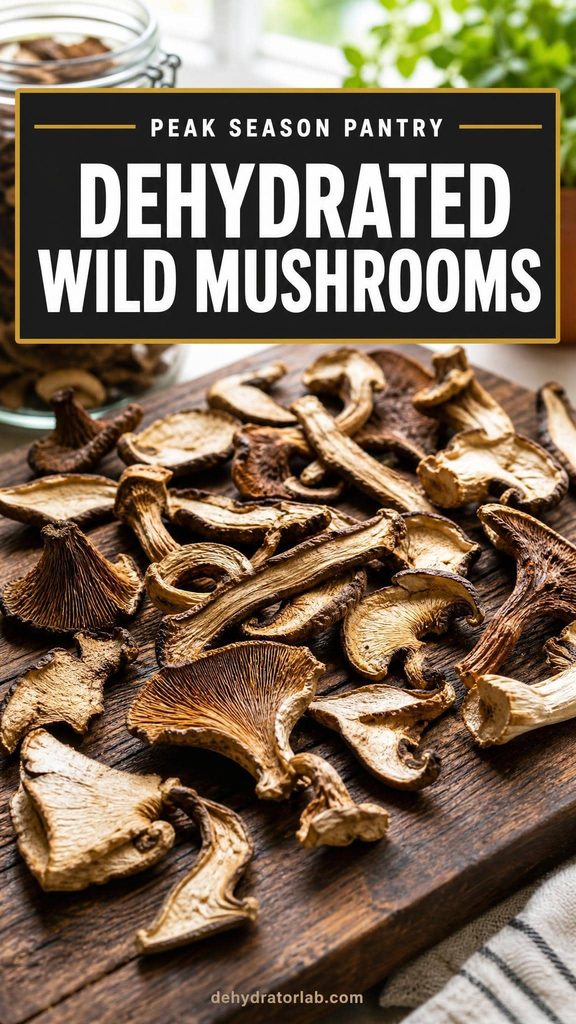
Fall is peak mushroom season, and drying them is the easiest way to keep chanterelles, shiitakes, or porcini past the week they’d otherwise last in the fridge. My dehydrated mushroom powder guide takes this a step further and grinds the dried caps into an umami seasoning.
Slice larger mushrooms so pieces dry at roughly the same rate, and don’t wash them — a quick brush-off is plenty, since wet mushrooms take twice as long to dry and can turn slimy first. Dry at 95-115°F (35-46°C) for 6-10 hours until brittle. The one ingredient here that upgrades every soup you make all winter.
5. Pomegranate Arils
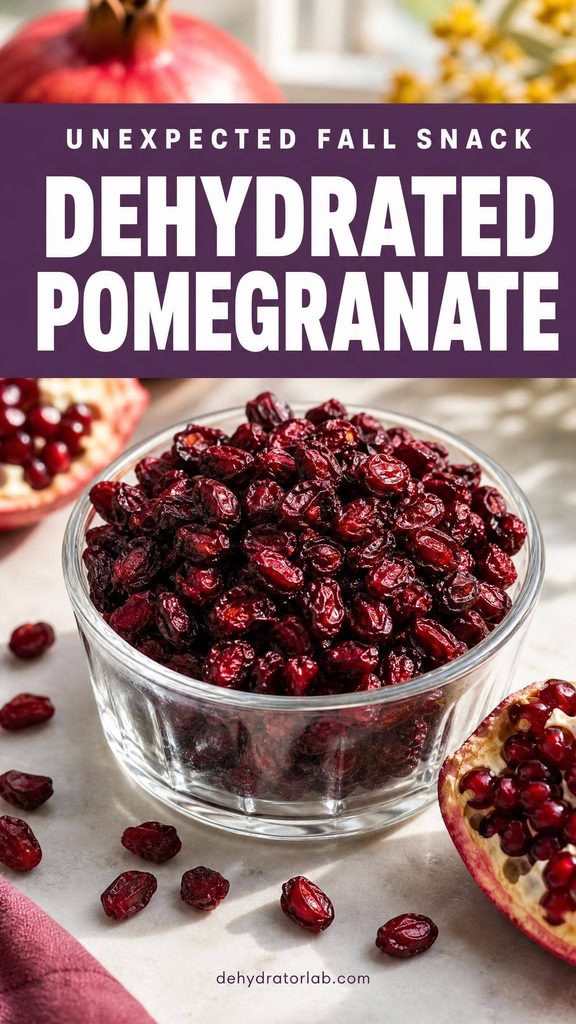
Pomegranate season runs right through fall, and the arils (the juicy seed sacs, not the whole fruit) dry into something closer to a chewy, tangy trail mix add-in than a standalone snack. Deseed the fruit first — dehydrating a whole pomegranate isn’t a thing.
Spread the arils in a single layer on a mesh or silicone sheet so the juice that leaks out doesn’t glue them to a solid tray. Dry at 125-135°F (52-57°C) for 12-18 hours — this one runs long since the juice inside each aril has to fully evaporate. A tart, chewy addition that no one else on your snack table has thought to make.
6. Sweet Corn
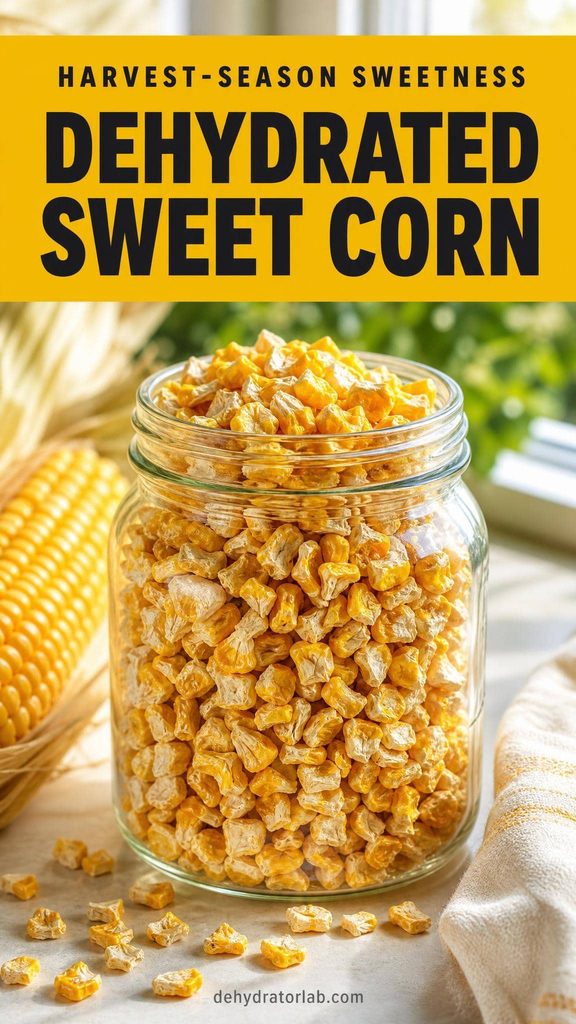
Late-summer-into-fall corn is at its sweetest right when it’s cheapest, which makes it the best time to blanch a few extra ears and dry the kernels. My dehydrated corn kernels guide covers the full blanch-and-dry method start to finish.
Cut kernels off the cob after a quick blanch, spread them in a single layer, and dry until they rattle when you shake the tray. This is the ingredient that turns a jar of dried peppers and onions into an actual soup base. The sweetest thing in the savory column.
7. Figs
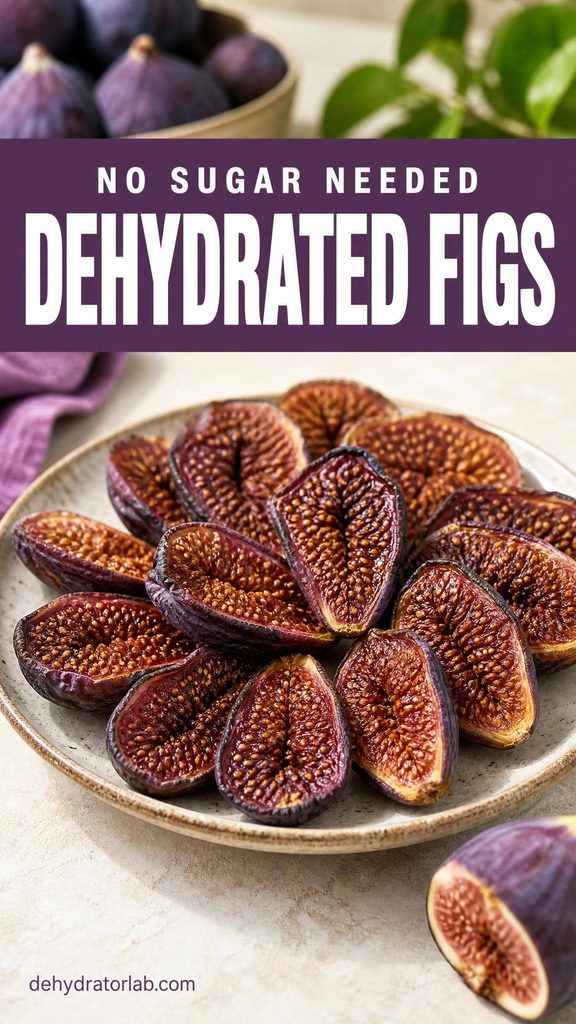
Fresh figs have a short window before they turn from ripe to overripe, which makes drying them the smartest way to actually get to eat a whole season’s worth. My how to dehydrate figs guide walks through halving and tray placement step by step.
Halve or quarter figs depending on size so the cut surface faces up and dries evenly instead of trapping moisture inside a whole fruit. Dry at 135°F (57°C) for 10-16 hours until leathery with a slight chew at the center. Dessert-level sweetness with zero added sugar.
8. Pumpkin Seeds
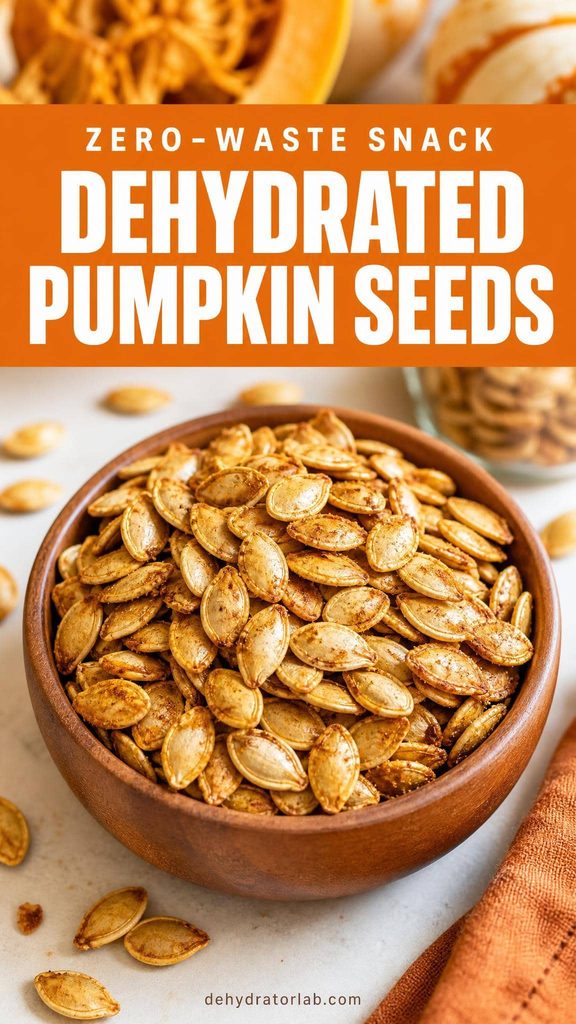
Every pumpkin you carve or cook this fall comes with a free bag of pumpkin seeds — rinse off the pulp, and you’ve got the base for a crunchy snack instead of compost. My seasoned pumpkin seed recipes roundup covers seven flavor directions once you’ve got the basic method down.
Rinse seeds clean of pulp, pat them dry, and toss with a little oil and salt before drying — skip that step and they turn out bland. Dry at 115-125°F (46-52°C) for 8-12 hours until fully crisp with no give when you bite one. Free snack food hiding in every jack-o’-lantern.
9. Fall Garden Herbs
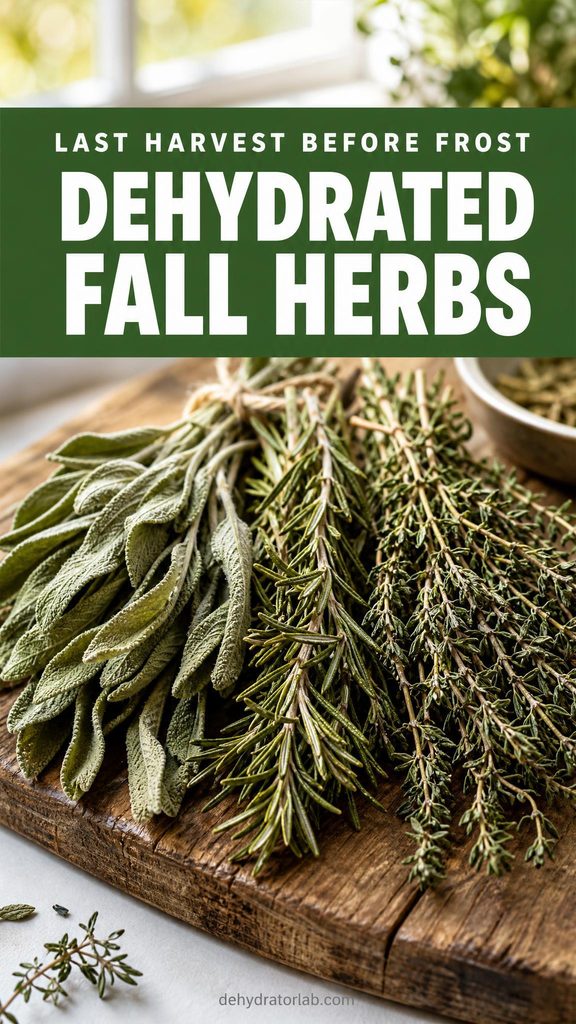
Sage, rosemary, and thyme all hit their peak right before the first frost, which makes late fall the last real chance to harvest and dry a season’s worth before the garden shuts down. My dehydrated seasoning recipes roundup covers the same low-and-slow approach for turning fresh herbs into pantry staples.
Strip leaves from woody stems before drying so nothing dries unevenly, and keep each herb on its own tray — rosemary and thyme dry fast, sage takes longer since the leaves are thicker. Dry at 95-105°F (35-41°C) for 2-4 hours until leaves crumble between your fingers. Outlasts anything you’d buy in a jar, and it’s free.
10. Grapes (for Homemade Raisins)
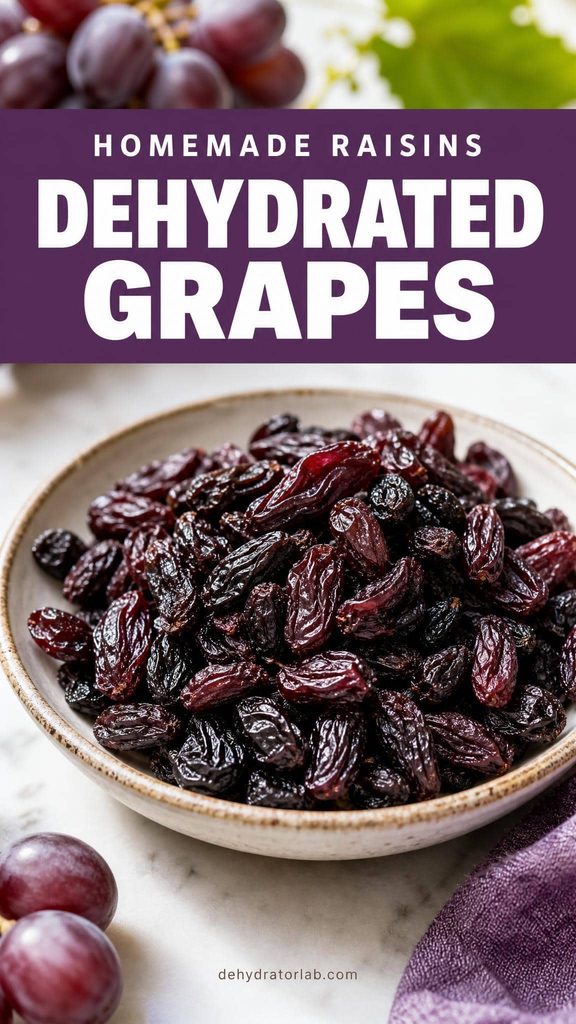
Late-harvest table grapes turn into raisins in your own dehydrator, and homemade ones taste noticeably fresher than the box from the pantry. My best fruits to dehydrate guide covers the same halve-and-dry approach for grapes alongside other high-moisture fruit.
Halve seedless grapes so the skin doesn’t seal the moisture inside — whole grapes take twice as long and can mold before the center ever dries. Dry at 135°F (57°C) for 20-36 hours, which sounds long but needs almost no attention once the tray’s loaded. The snack that takes the longest and needs the least effort.
Personal Tips You Can Steal
I always run a test batch of apples and pears together on separate trays rather than mixed on one, since pears take longer and I don’t want to keep opening the door to check on apples that finished hours ago. I never skip blanching cranberries — the one batch I tried skipping it, half the berries never dried past leathery-on-the-outside, wet-in-the-middle.
I keep my herb trays away from anything strong-smelling like onion powder, since dried herbs pick up neighboring smells fast. And I always label the pomegranate jar clearly, since dried arils and dried cranberries look nearly identical once they’re both wrinkled and dark red.
Final Thoughts
Fall gives you a few weeks where the best produce of the whole year shows up all at once, and a dehydrator is the easiest way to stretch it into winter. Start with apples and pumpkin seeds since both come together in an afternoon, then work up to the slower ones like grapes and pomegranate once you’ve got a rhythm going.
For the vegetable side of fall dehydrating, my dehydrated squash and gourd chip recipes and root vegetable chip recipes roundups cover the savory half of the season this list intentionally leaves out.
P.S. — the pumpkin seeds are the one I make without even planning to, since they show up every time I carve or cook a pumpkin anyway. Happy dehydrating! 🙂