
Stuck staring at a stocking that still needs five small gifts in it? Skip the gas-station candy aisle. Your dehydrator already makes snacks that are small, giftable, and genuinely good — the kind of stocking stuffer someone actually eats instead of trading away.
Every recipe below packs down into a single snack-size bag or jar, which is exactly what a stocking stuffer needs to do. No bulky baskets, no fuss — just small batches that punch above their size.

In this article:
TL;DR: Key Takeaways
- 🍎 Dried apple chips and mango strips pack flat, so they fit any stocking without lumps
- 🥩 Beef jerky strips are the one stuffer that reads as a real gift, not a filler item
- 🍓 Fruit leather roll-ups are the easiest sell for kids on the list
- 🥜 Candied pecans dry low and slow, so there’s no risk of a scorched batch the night before
- 🥥 Tropical trail mix packs let you use up odd ends of dried fruit from other batches
- 🍍 Pineapple rings are the most giftable shape on this list — they already look like a treat
- 🎁 Every item here fits in a snack-size bag or a 4oz jar — no bulky packaging required
Pick two or three of these, run a tray this weekend, and you’ll have a drawer full of stocking stuffers before anyone else has left the house to shop.
1. Mini Dried Apple Chip Bags
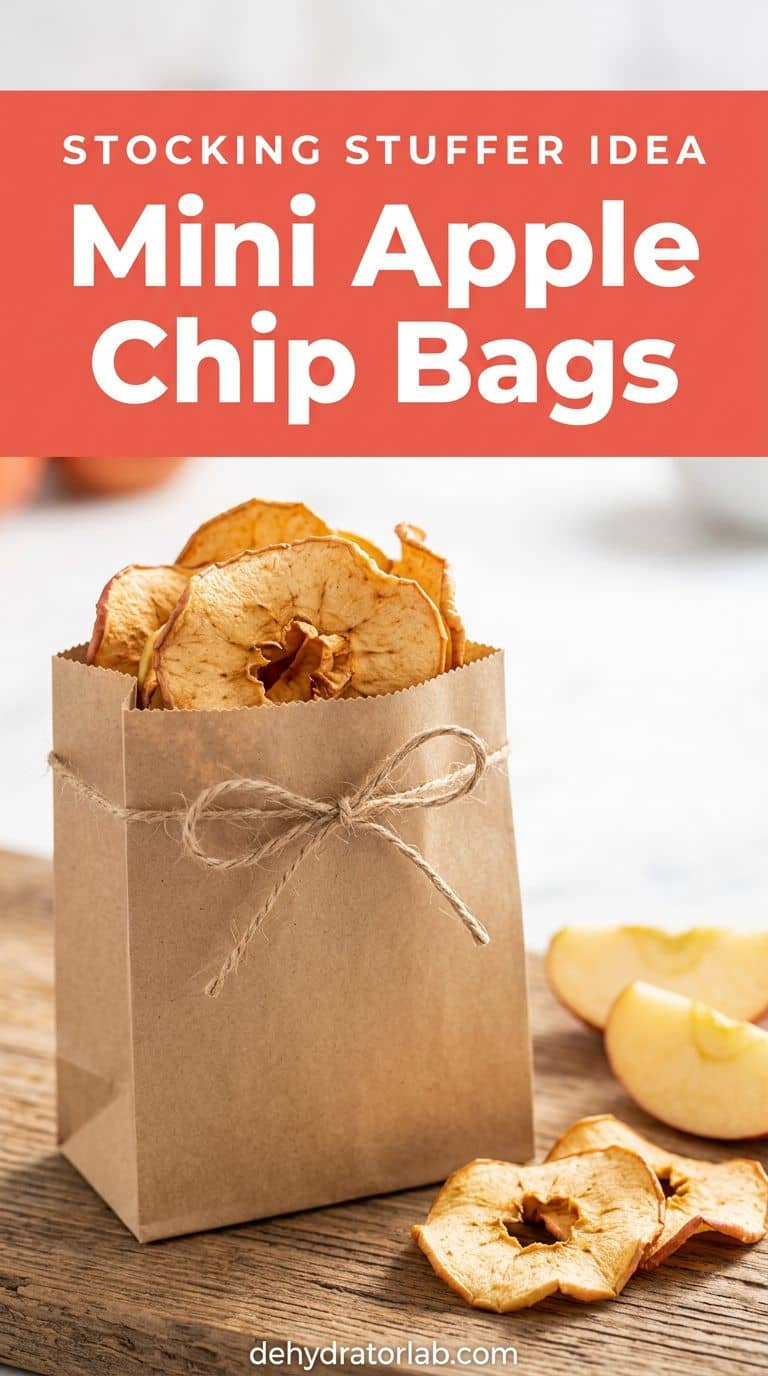
Apple chips are the stocking stuffer that needs the least convincing. Everyone already likes apples, and dried into chips they go crunchy-chewy instead of mushy, which is the texture most store-bought dried fruit gets wrong.
Slice thin and even — a mandoline earns its keep here — and dry at 135–140°F (57–60°C) for 6–10 hours depending on thickness. Thinner slices crisp up closer to a chip; slightly thicker ones stay chewy like the cinnamon-dusted versions in my apple recipes roundup.
Portion a half-cup into a small bag per stocking and they’ll stay crisp for weeks if your house isn’t too humid. A dash of cinnamon before drying turns a plain chip into something that smells like the holidays the second the bag opens. Pick a tart apple like Granny Smith for the best snap.
2. Snack-Size Beef Jerky Strips
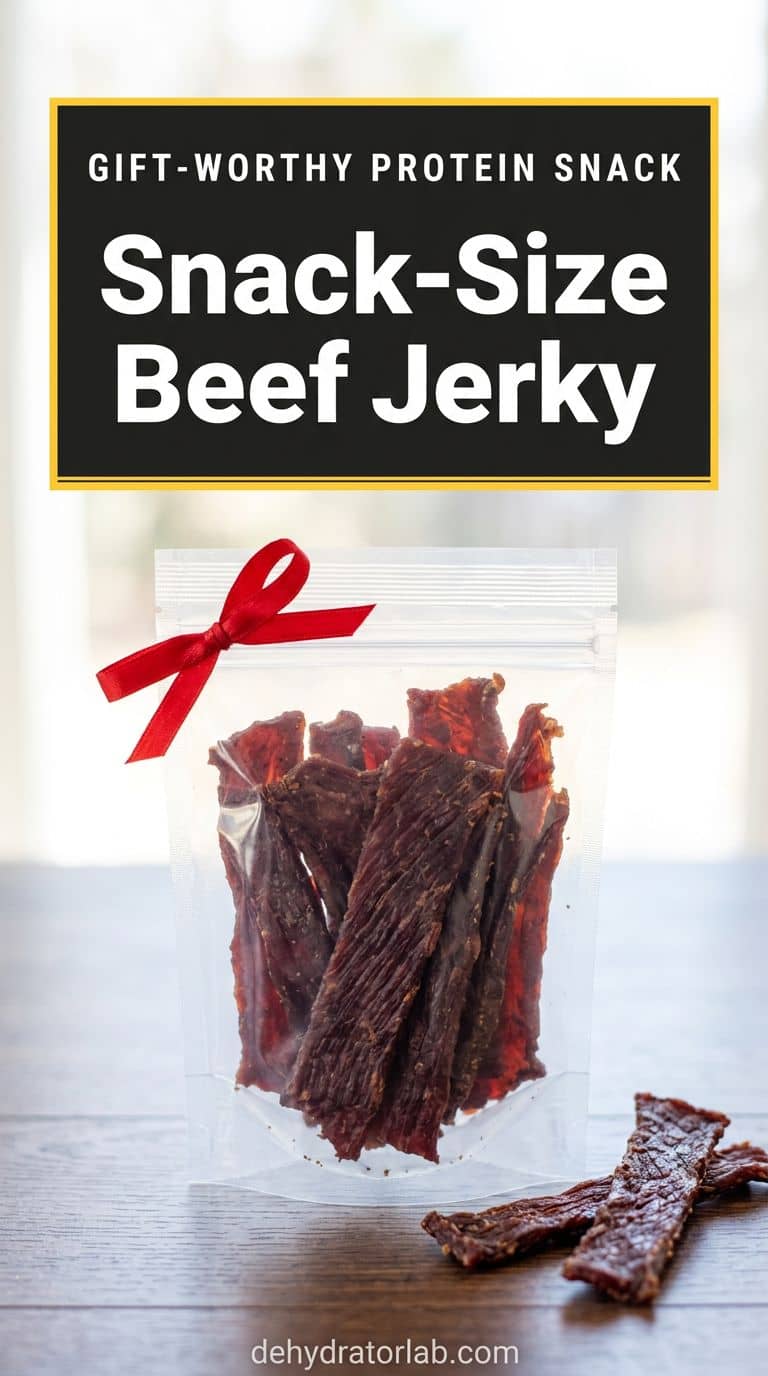
Jerky is the stocking stuffer that doesn’t feel like a stocking stuffer. It reads as a real gift, especially for the hunter, hiker, or gym-goer on your list who’d rather have protein than chocolate.
Trim all visible fat from a lean cut like eye of round or flank steak — fat is what shortens shelf life, not the lean meat. Slice against the grain for a tender chew or with the grain for the classic tug-and-tear bite, marinate overnight, then dry at 155–160°F for the first hour to hit a safe internal temperature before dropping to 135–145°F for the remaining 4–6 hours.
My beef jerky recipes roundup has ten flavor directions if you want to go beyond classic black pepper, and the sweet and spicy Korean-style version is the one that disappears first out of a stocking. Vacuum-seal small portions if you’re making a batch ahead — it buys you weeks of shelf life without the fridge. The USDA’s safe minimum internal temperature guidance is worth a quick read before your first batch, especially for ground meat jerky.
- Lean cuts only — eye of round, flank, or top sirloin trim clean and dry faster
- Pat marinated strips dry before loading the tray so they dehydrate instead of steam
- Snap test when it’s ready — it should bend and crack, never bend and stay bent
3. Single-Serve Fruit Leather Roll-Ups
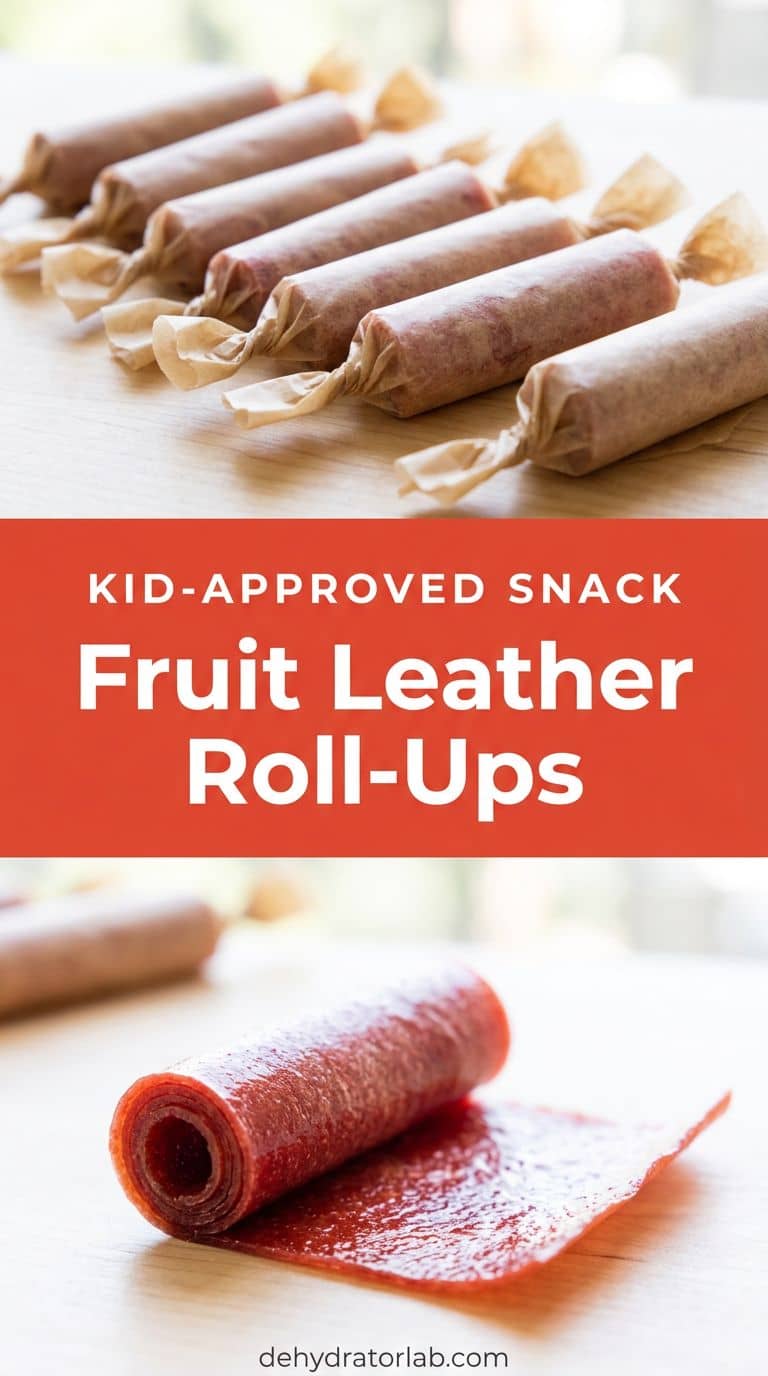
Fruit leather rolled and twisted into single servings is basically a homemade fruit snack, and it’s the easiest sell on this list for kids. No one has to be talked into trying it.
Blend ripe fruit smooth, strain out any seeds, and spread thin — 1/8 inch, no thicker — onto a lined tray. Dry at 135–140°F for 6–8 hours until it peels off the liner clean without any tacky spots. The enemy of good fruit leather: too much moisture left in the puree, which just means more drying time, not a different method.
Cut into strips, roll each one in parchment or wax paper, and twist the ends like a candy wrapper. My full fruit leather method covers the puree ratios, and the fruit leather recipes roundup has ten flavor combinations if strawberry-mango gets boring by batch three. Berries and stone fruit both work beautifully — pick whatever’s cheapest at the store that week.
4. Honey-Spiced Candied Pecan Packs
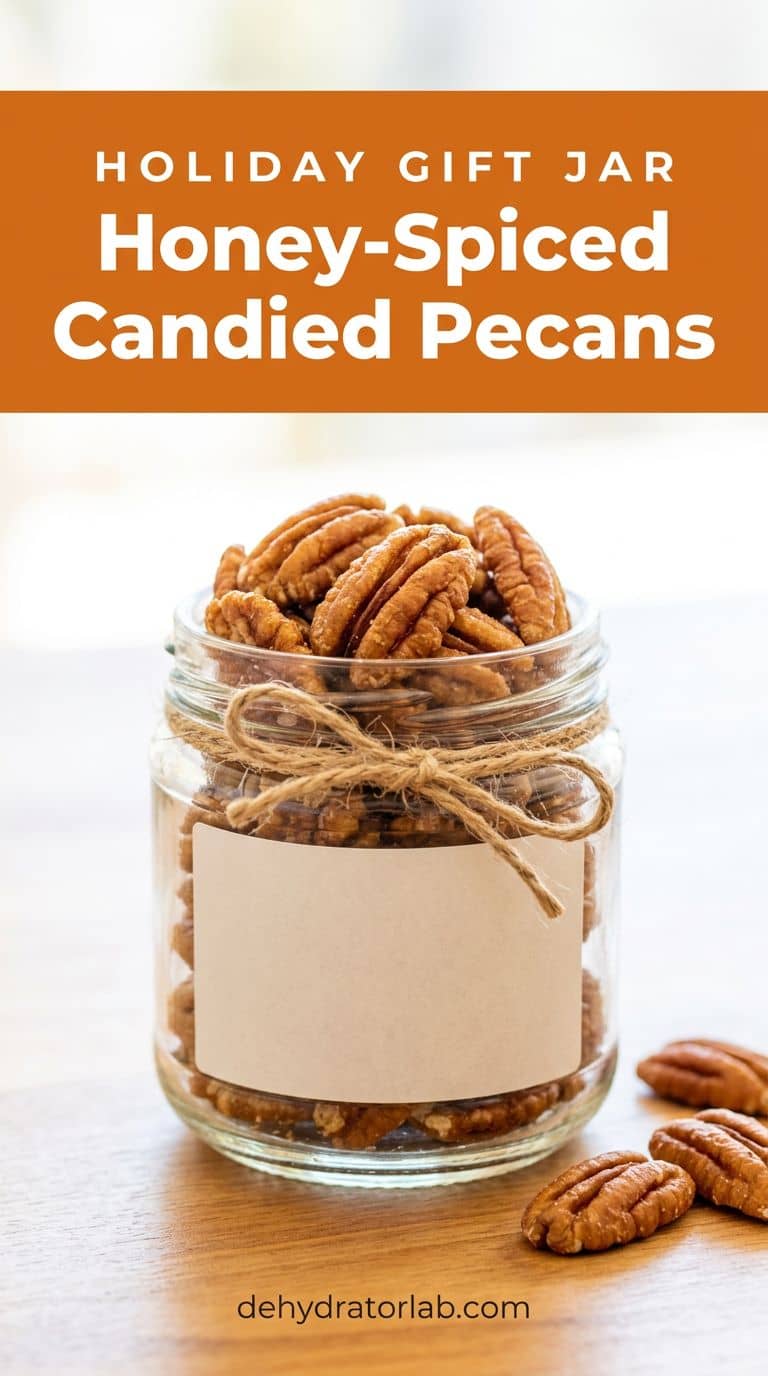
Candied pecans in a dehydrator come out differently than the oven or stovetop version — slower, lower heat, and a glaze that sets into a matte crunch instead of a sticky shine. That’s actually the better texture for a stocking stuffer since the pieces won’t clump together in the bag.
Toss raw pecan halves in a thin coat of honey, a pinch of salt, and cinnamon, then spread in a single layer with no overlap. Dry at 125–135°F for 6–8 hours, stirring once halfway through so every piece gets even airflow. They’re done when they’re dry to the touch but still give a little snap when you bite one.
If pecans aren’t in the budget this year, my seasoned pecans recipe and candied walnuts both scale the same ratio to a cheaper nut. A 4-ounce portion in a small jar looks like it came from a specialty shop, not your kitchen counter.
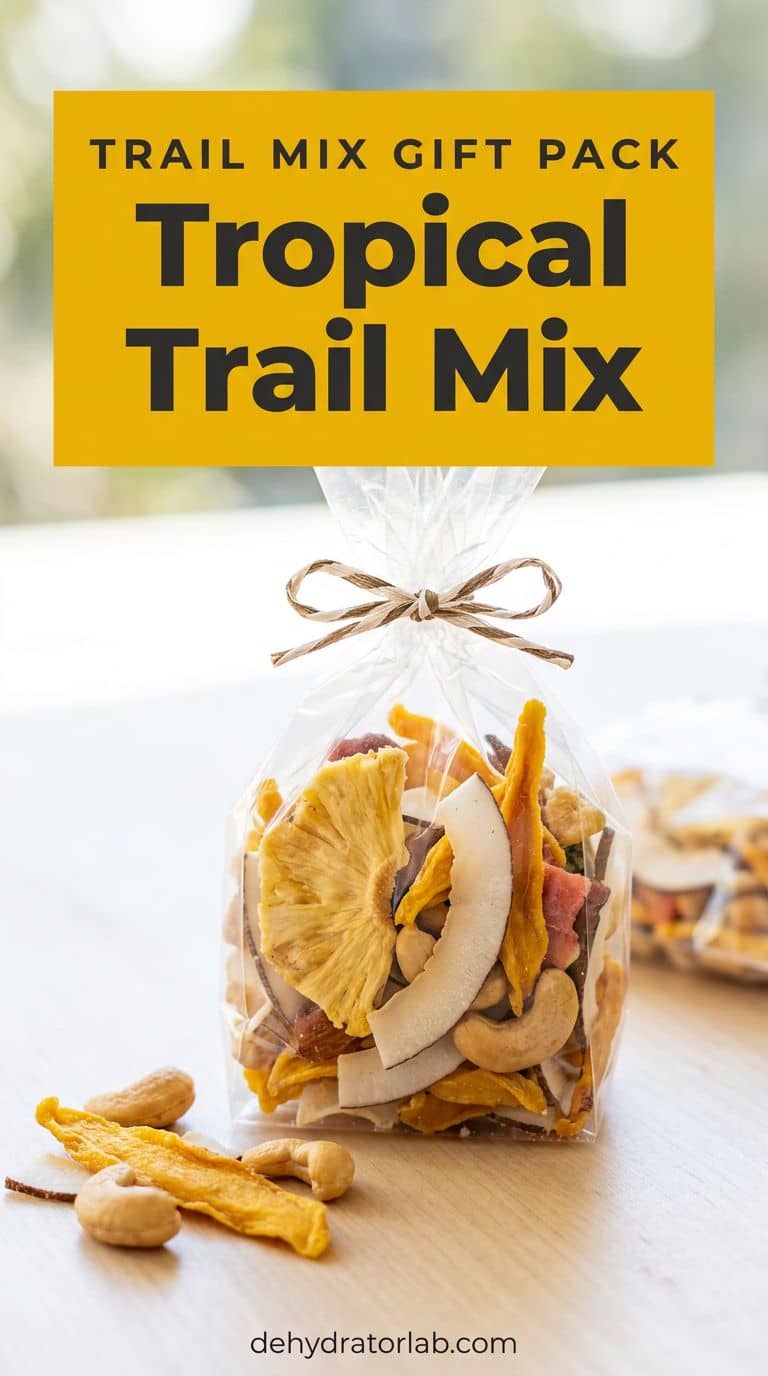
5. Tropical Fruit & Coconut Trail Mix Packs
Trail mix is the stuffer that uses up whatever’s left in your dehydrating jars — the odd end of a mango batch, the last handful of pineapple, a bag of toasted coconut chips that’s been sitting around since summer.
Combine dried pineapple, mango, coconut chips, and a handful of macadamia nuts or cashews for crunch. There’s no single drying step here since you’re combining already-dried pieces, but if you’re starting from scratch, dry fruit chunks at 135°F (57°C) for 8–10 hours and toast coconut chips separately at 125°F for 1–2 hours to catch them before they brown too far.
My trail mix recipes roundup has nine more fruit-and-nut combinations, and the tropical fruit recipes guide walks through drying each component from raw fruit if you want to build the whole mix yourself. Portion into small bags and you’ve got a stuffer that doubles as a car-ride snack on the drive to grandma’s.
6. Mini Dried Mango Strips
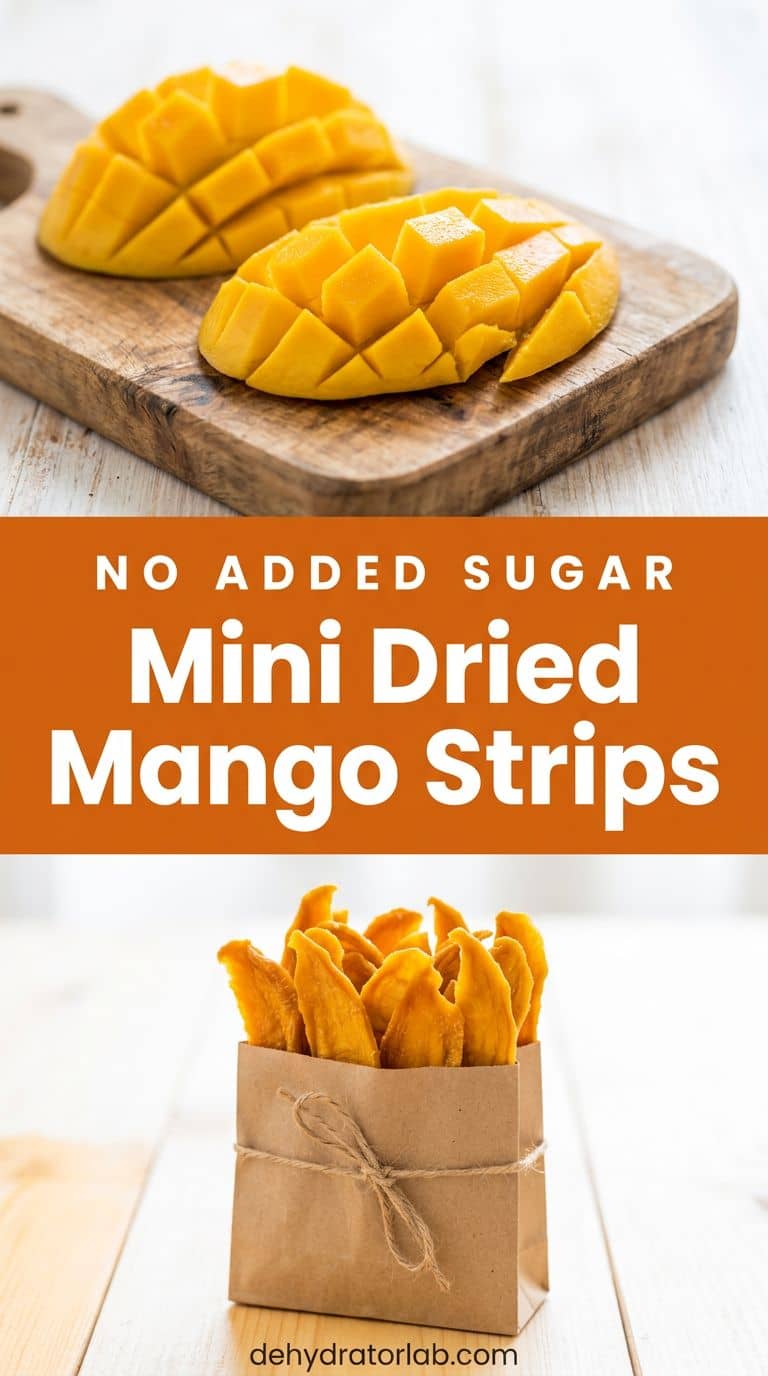
Mango goes from juicy fruit to chewy-candy the moment it hits the dehydrator, and it’s one of the few dried fruits that genuinely tastes like dessert with zero added sugar. That makes it an easy stuffer for the person who’s cutting back on sweets but still wants something to unwrap.
Pick fruit that’s ripe but still holds its shape when sliced — too soft and you’ll fight the knife the whole way through. Cut into quarter-inch strips and dry at 135°F (57°C) for 8–10 hours. Doneness is by feel here, not the clock: it should bend without cracking and feel tacky-dry, never wet in the middle.
My full mango dehydrating guide covers slicing thickness and the honey-dip variation if you want a stickier, more candy-like finish. Rotate trays halfway through the dry since mango’s sugar content makes it prone to uneven drying near the heating element.
7. Dehydrated Pineapple Ring Snack Bags
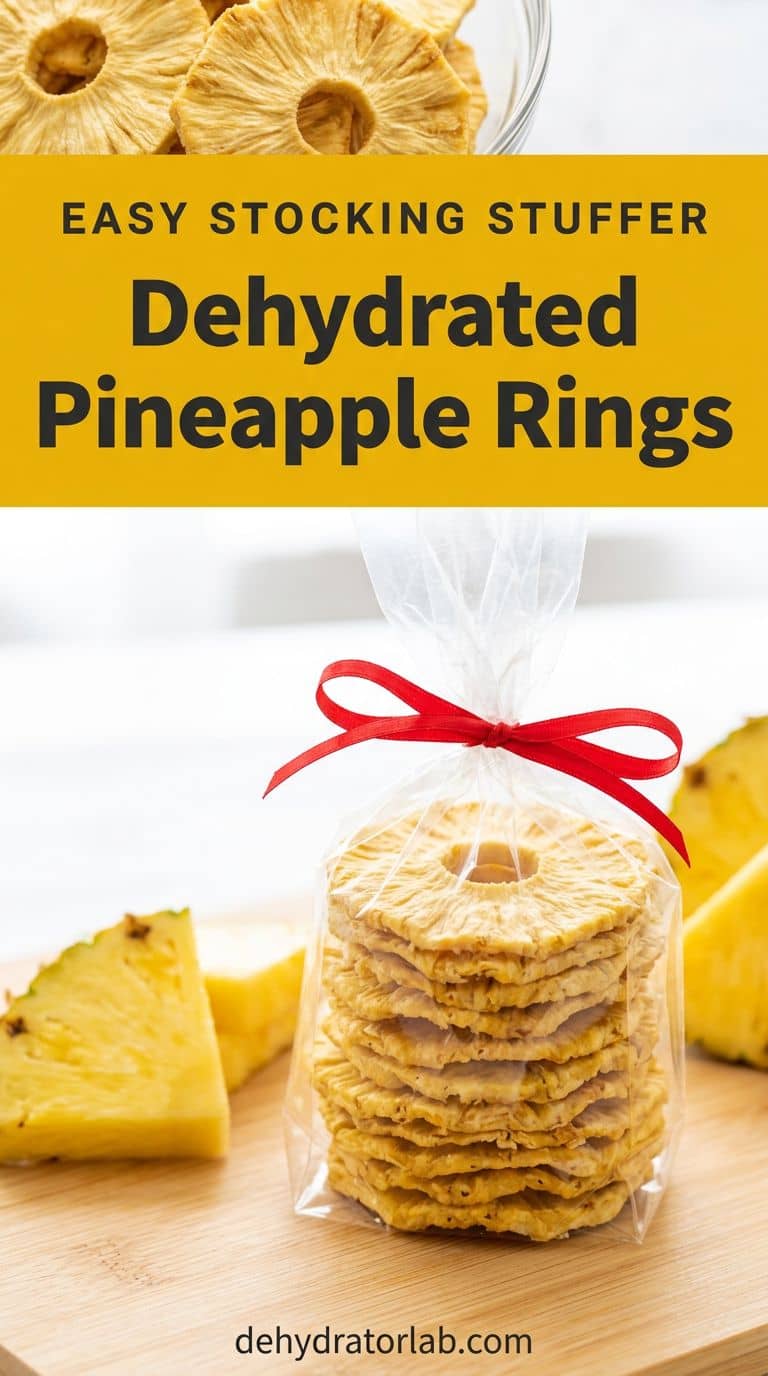
Pineapple rings are the most giftable shape on this entire list. They already look like a treat before you’ve done anything to them — golden, ring-shaped, and instantly recognizable through a clear bag, no label needed.
Core and slice pineapple into quarter-inch rings, pat dry to pull off surface moisture, and dry at 135°F (57°C) for 8–10 hours. They finish chewy rather than crisp, which is exactly the texture you want — a pineapple chip loses the tropical flavor concentration that makes this one worth making.
My full pineapple rings recipe has the cutting and storage details if this is your first batch. Stack five or six rings in a small clear bag and tie it with a ribbon — done, no further packaging needed. Buying a whole pineapple in season is usually cheaper than a bag of the dried stuff at the store, so this one pays for itself fast.
Personal Tips You Can Steal
I batch two or three of these on the same weekend every December since the dehydrator’s already out and running anyway — no reason to only make one thing. I always weigh out portions into bags the same night they finish drying, while they’re still at their best texture, instead of leaving a full tray loose in a container for days.
I keep a roll of plain kraft bags and a spool of twine in a kitchen drawer year-round since half my gift wrapping for snacks happens on five minutes’ notice. I label jars with a little masking-tape tag and the date, because “dried sometime” isn’t information anyone needs on a gift. And I always make a double batch of whichever one disappeared fastest last year — it’s never the one I expect.
Final Thoughts
None of these need fancy packaging or a trip to the craft store — a bag, a jar, and something to tie it with gets the job done. Pick the ones that match who’s getting the stocking, run a tray or two this weekend, and you’ll have stuffers that actually get eaten instead of left in a drawer until next year.
Related reading: if you want bigger gifts to go with these small ones, my dehydrated gift basket ideas roundup groups several of these snacks into themed baskets, and my herbal tea blend recipes make a good pairing gift for anyone who’d rather sip than snack.
P.S. Start this one earlier than you think you need to — jerky and fruit leather both take longer than people expect, and nobody wants to run a dehydrator at midnight on the 23rd. 🙂