Tired of paying $3 for a foil packet that’s mostly salt and anti-caking agents? Once you’ve got a dehydrator full of dried garlic, onion, herbs, and peppers, you don’t need the packet anymore. Garlic and peppers will dry in almost anything; the herbs are the fussy part, which is why it pays to use a dehydrator with a low enough setting for them.
A homemade seasoning blend costs pennies once you’ve got the base ingredients dried and ground, tastes stronger because nothing’s gone stale on a warehouse shelf, and skips the fillers entirely. Let’s build your own spice cabinet.
As an Amazon Associate, I earn from qualifying purchases. If you make a purchase after clicking on a link I may earn a small commission at no extra cost to you if items are purchased.
In this article:
TL;DR: Key Takeaways
- 🧂 Homemade seasoning blends use dried garlic, onion, herbs, and peppers you can dehydrate yourself.
- 📉 One university nutrition program measured 480 mg of sodium per tablespoon of a store taco packet versus 32 mg for the homemade version — you control the salt.
- 💰 A batch costs a fraction of the store packet once your base ingredients are dried and ground.
- 🚫 No anti-caking agents, no added sugar you didn’t choose, no mystery “natural flavor.”
- 🫙 Every blend keeps for months in a sealed jar out of direct light.
- ⚖️ Every recipe below is a real ratio, not a vague “to taste” — scale it up once you know you like it.
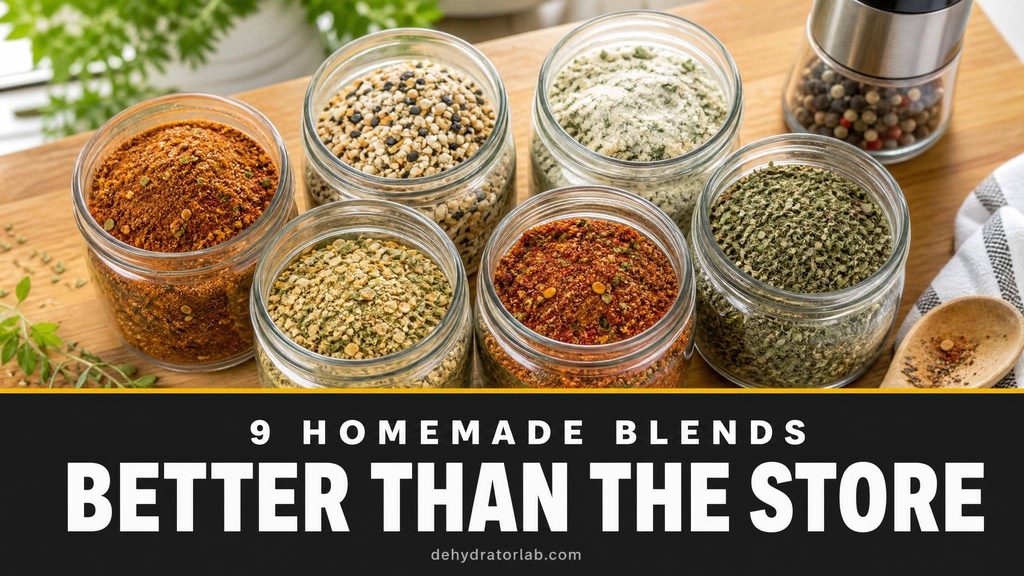
Below are nine blends I actually keep stocked, from taco night to a curry powder that beats anything in a tin. Each one lists real proportions — a University of Connecticut nutrition program compared homemade to store-bought and found homemade came out dramatically lower in sodium, so these lean the same direction: real flavor first, salt as an ingredient you control.
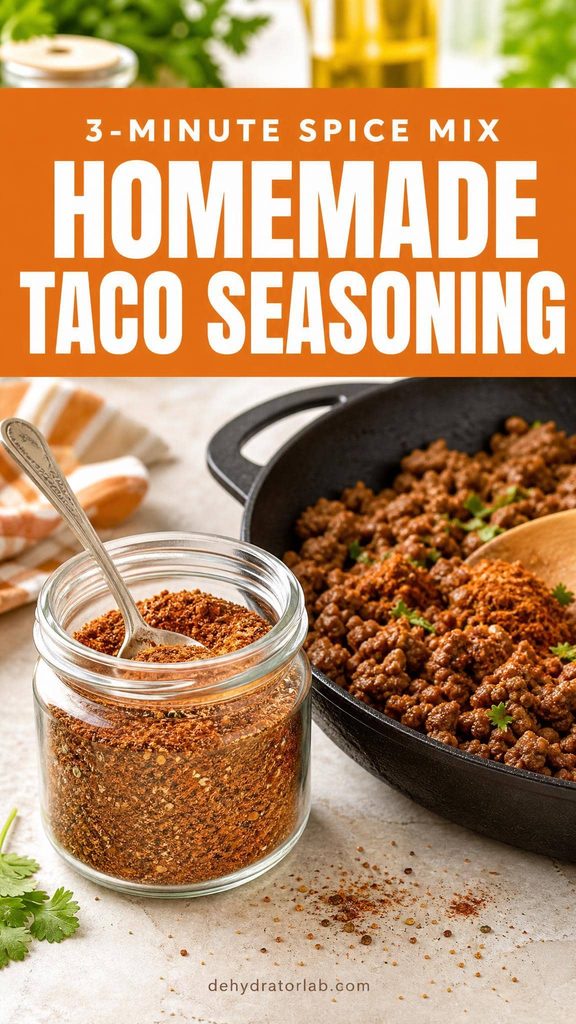
1. Homemade Taco Seasoning
This is the one that pays for itself fastest — a foil packet at the store runs a few dollars for maybe two tablespoons, and you can make a jar’s worth for less than that. Built on garlic powder and bell pepper powder, it’s warmer and less one-note than most packets.
- 2 tablespoons chili powder
- 1 tablespoon ground cumin
- 1 tablespoon smoked paprika (or bell pepper powder for a milder version)
- 2 teaspoons garlic powder
- 2 teaspoons onion powder
- 1 teaspoon dried oregano
- 1 teaspoon salt, ½ teaspoon black pepper
- ¼–½ teaspoon cayenne, optional
Whisk everything together and store in a small jar. Use about 2 tablespoons per pound of ground beef or chicken, same as a packet, plus ¼ cup water while it simmers. Taco night, no foil packet required.
2. Everything Bagel Seasoning
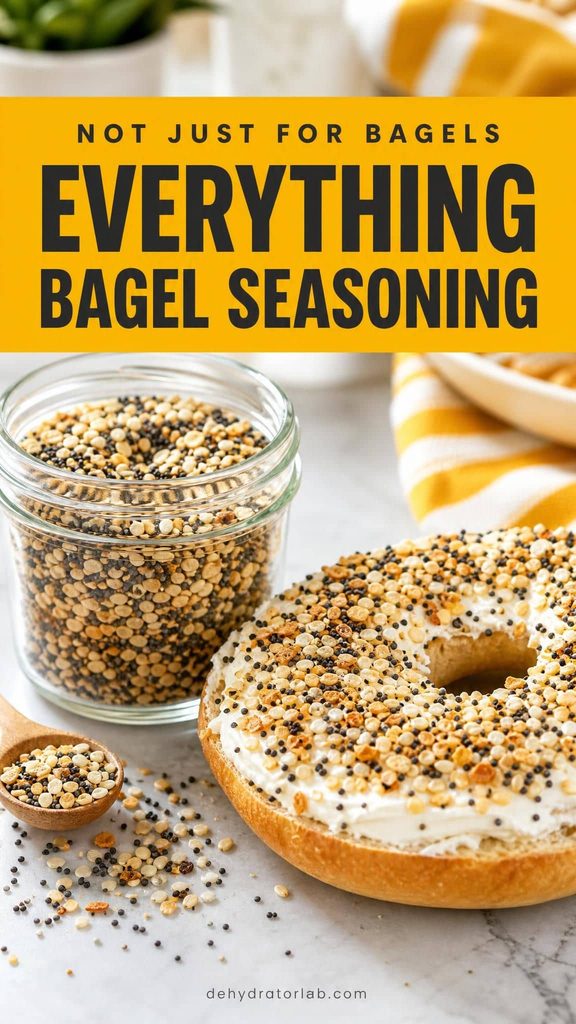
Built from dried minced onion and garlic plus a mix of seeds, this one goes on more than bagels — eggs, avocado toast, roasted vegetables, even popcorn all take well to it.
- 2 tablespoons dried minced garlic (or garlic flakes)
- 2 tablespoons dried minced onion
- 2 tablespoons white sesame seeds
- 1 tablespoon black sesame seeds
- 1 tablespoon poppy seeds
- 2 teaspoons flaky sea salt
Keep the garlic and onion in coarse flakes rather than a fine powder here — the texture is half the appeal. Shake well before each use, since the seeds settle.
It’s especially good pressed onto the outside of a soft-boiled egg’s toast soldier, or worked into softened butter for a compound butter that turns any dinner roll into something worth talking about. One jar, way past bagels.
3. Ranch Seasoning Mix
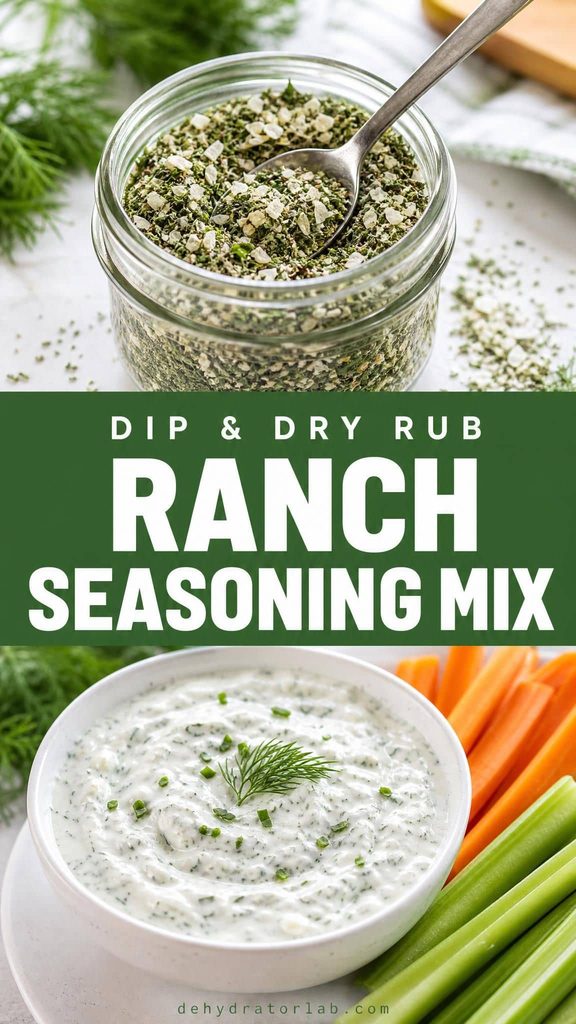
Store-bought ranch packets lean hard on salt and buttermilk powder. This version puts dried dill and dehydrated scallions front and center instead, so the herb flavor actually comes through.
- 2 tablespoons dried dill
- 2 tablespoons dried parsley
- 1 tablespoon dehydrated scallions or dried chives
- 1 tablespoon garlic powder
- 1 tablespoon onion powder
- 1 teaspoon salt, ½ teaspoon black pepper
Use it dry as a rub on chicken or potatoes, or whisk 2 tablespoons into a cup of sour cream and buttermilk for the dip version. It also makes a fast dressing — thin it with olive oil and a splash of vinegar or lemon juice instead of dairy. Real herb flavor, not just tang.
4. Italian Herb Blend
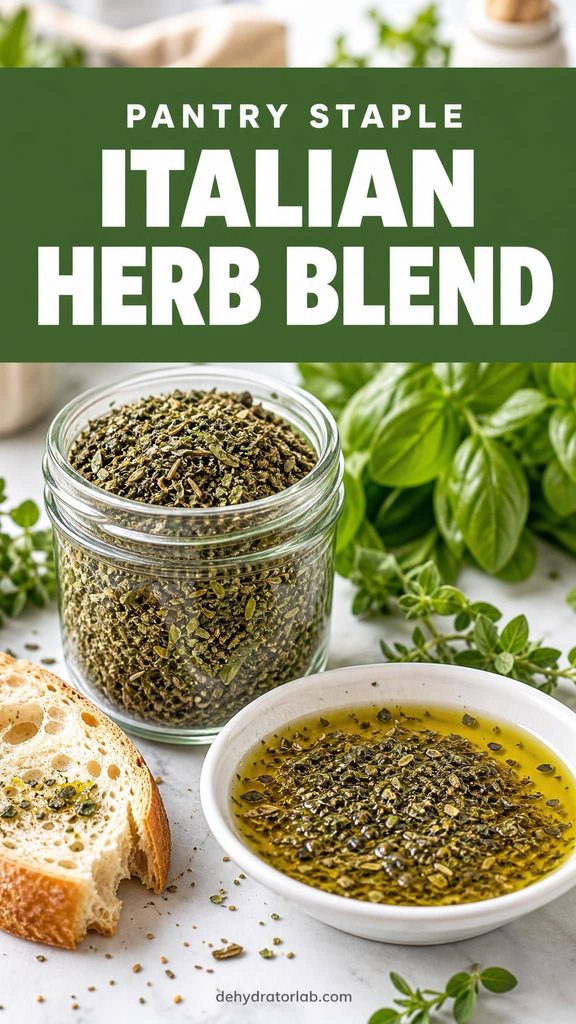
If you’ve ever dried a big batch of basil before it bolted in the garden, this is exactly where it goes. Crumble the leaves instead of grinding them fine — you want visible pieces, not dust.
- 2 tablespoons dried basil
- 2 tablespoons dried oregano
- 1 tablespoon dried thyme
- 1 tablespoon dried rosemary, crushed (a mortar and pestle breaks it down fast without turning it to dust)
- 1 tablespoon dried marjoram (or extra oregano)
- 1 teaspoon garlic powder
Stir into olive oil for a quick bread dip, rub onto chicken before roasting, or add a spoonful straight into simmering marinara. Dried herbs, in general, run more concentrated than fresh — a good rule of thumb is a third of the volume when swapping into a recipe written for fresh. The jar that fixes bland pasta night.
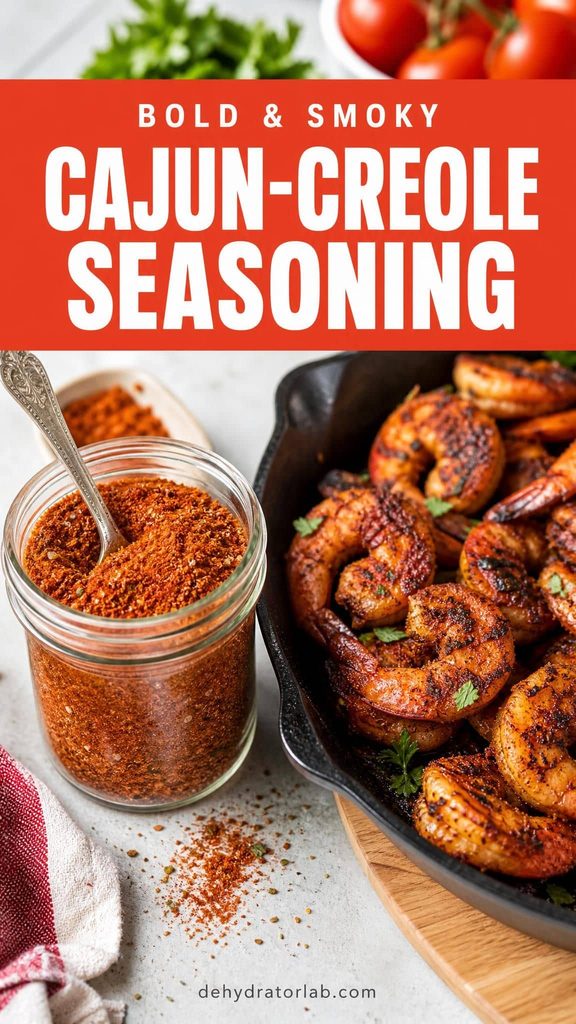
5. Cajun-Creole Seasoning
Real Cajun and Creole cooking starts with the “holy trinity” — onion, celery, and bell pepper — and this blend leans on dried versions of two of the three to build that base flavor straight into the jar.
- 2 tablespoons smoked paprika
- 1 tablespoon garlic powder
- 1 tablespoon onion powder
- 1 tablespoon celery powder
- 1 tablespoon dried oregano
- 1 tablespoon dried thyme
- 2 teaspoons black pepper, 1–2 teaspoons cayenne
- 1 teaspoon salt
Coat shrimp or chicken heavily before a hot sear, or stir a spoonful into rice as it cooks. Adjust the cayenne first if you’re testing it on someone with a lower heat tolerance. Bold enough to earn the name.
6. Garlic-Herb All-Purpose Seasoning
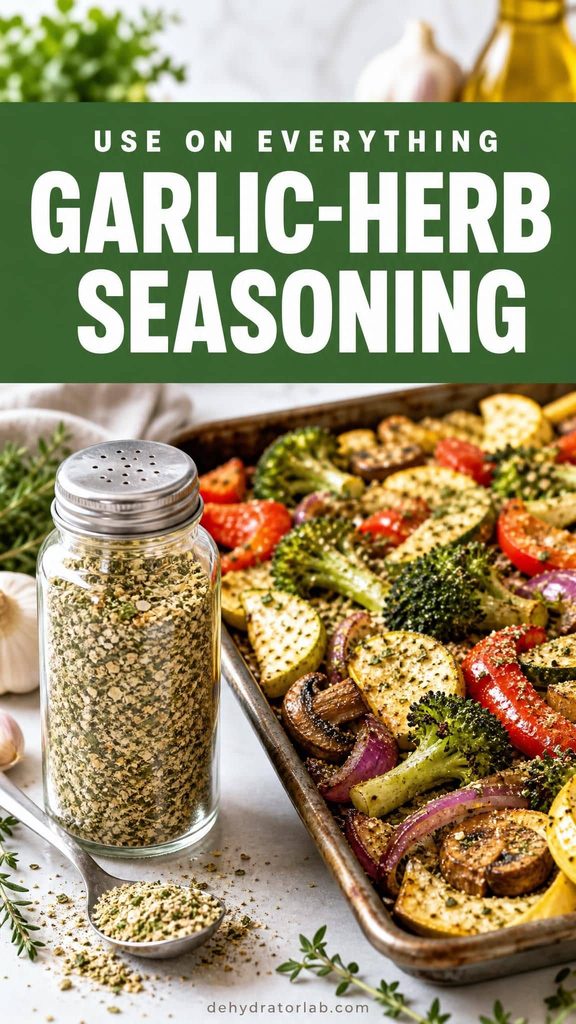
This is the one that lives next to the stove and gets used on almost everything — eggs, roasted vegetables, popcorn, a baked potato. Swap in shallot powder for half the garlic if you want something a little sweeter and less sharp.
- 3 tablespoons garlic powder
- 2 tablespoons dried parsley
- 1 tablespoon dried basil
- 1 tablespoon onion powder
- 1 teaspoon salt, ½ teaspoon black pepper
Keep it in a shaker jar right by the stove — this is the blend you’ll reach for without thinking twice. Double or triple the batch once you know you like the ratio, since this is the jar that empties fastest. The one jar that does the most work.
7. Smoky BBQ Rub
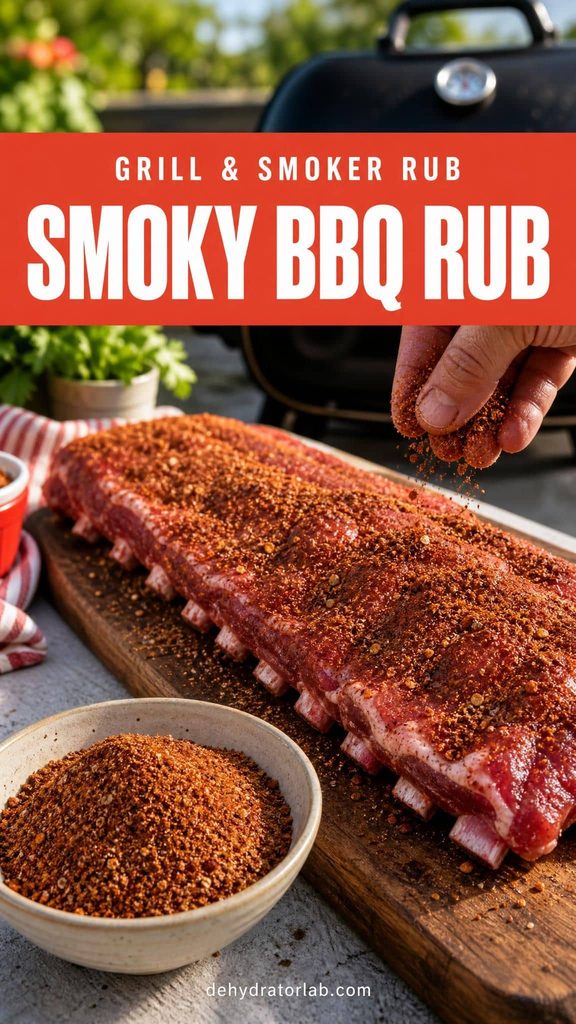
Brown sugar and smoked paprika do most of the heavy lifting here, but a spoonful of mushroom powder stirred in adds a savory depth most rubs are missing — you won’t taste “mushroom,” just more of everything else.
- ¼ cup brown sugar
- 2 tablespoons smoked paprika
- 1 tablespoon garlic powder
- 1 tablespoon onion powder
- 1 tablespoon chili powder
- 1 teaspoon mushroom powder, optional
- 1 teaspoon black pepper, 1 teaspoon salt, ½ teaspoon cayenne
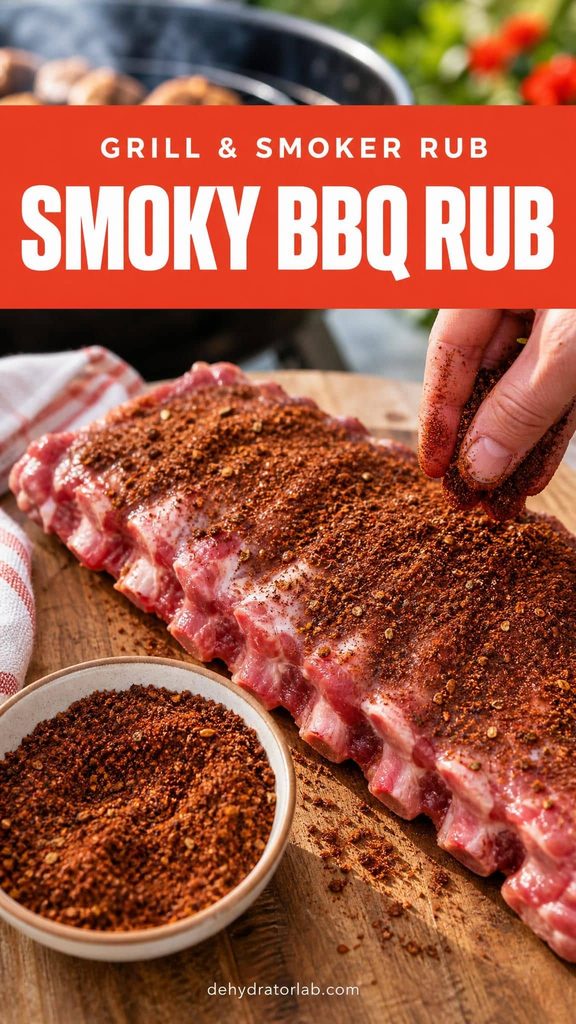
Pat your ribs, brisket, or pork shoulder dry, then press the rub in generously and let it sit at least 30 minutes before it hits heat or smoke. The rub that makes people ask for the recipe.
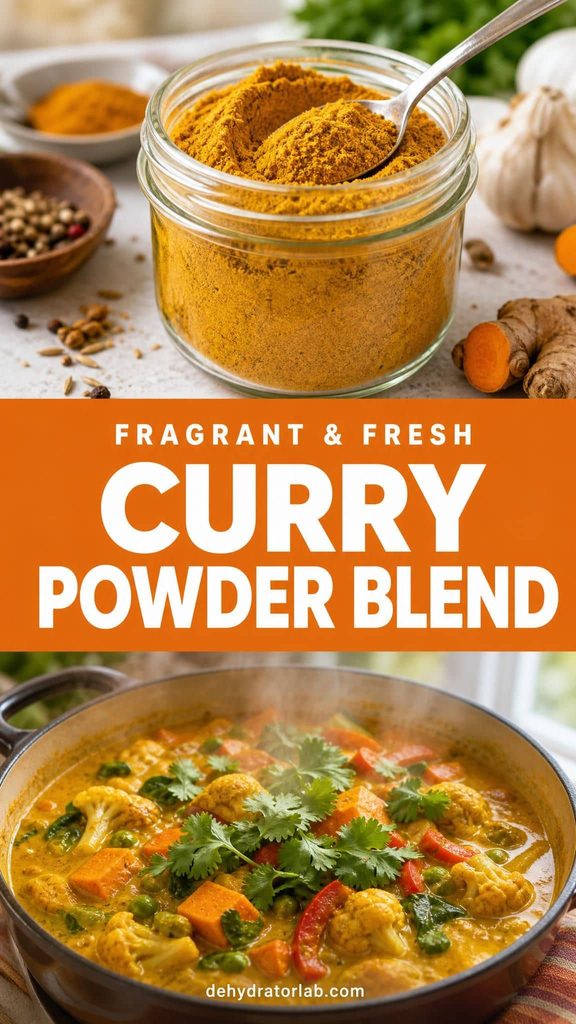
8. Curry Powder Blend
Most tins of curry powder have been sitting on a shelf for who-knows-how-long by the time they reach you. Grinding your own turmeric and ginger into the mix gives you a blend that’s noticeably more fragrant than anything pre-mixed.
- 2 tablespoons ground turmeric
- 2 tablespoons ground coriander
- 1 tablespoon ground cumin
- 1 teaspoon ground ginger
- 1 teaspoon black pepper
- ½ teaspoon ground cinnamon
- ¼ teaspoon ground cloves, ½ teaspoon cayenne, optional
Bloom a spoonful in hot oil before you add onions for a curry base, or stir it into rice, roasted cauliflower, or a lentil soup. Black pepper isn’t just filler here — it actually helps your body absorb more of turmeric’s curcumin. Fresher than anything in a tin.
9. Lemon-Pepper Seasoning
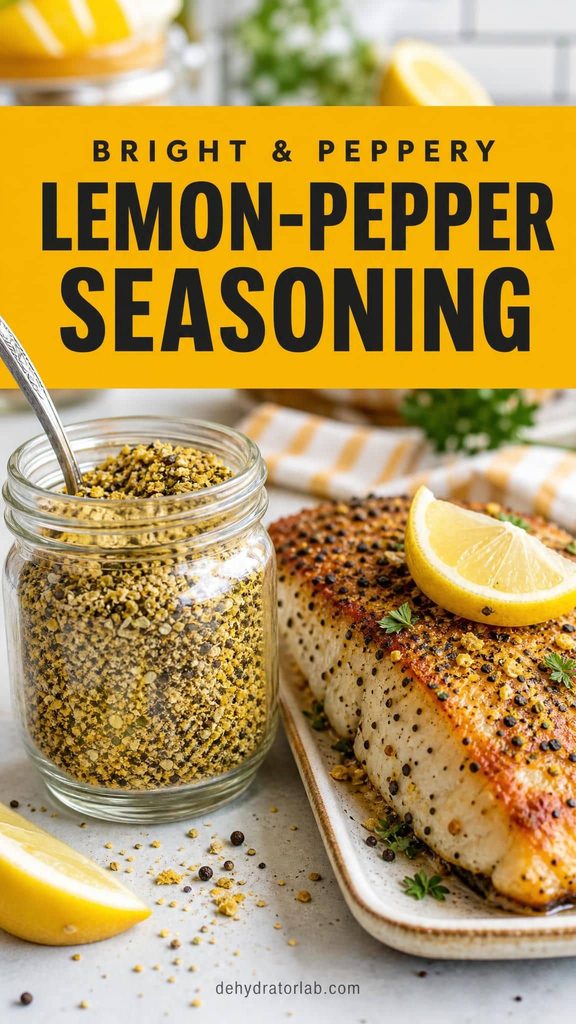
Store-bought lemon pepper is often more salt than lemon. Built around dried lemon zest, this version tastes like actual citrus instead of a vague tang.
- 3 tablespoons dried lemon zest, ground
- 2 tablespoons coarse black pepper
- 1 tablespoon garlic powder
- 1 teaspoon salt
Grind the zest fine, but leave the pepper coarse for texture and visual contrast in the jar. Rub it on chicken or fish before pan-searing, or finish roasted asparagus with a heavy pinch right before serving. It also holds up well on popcorn if you’re looking for something other than butter and salt. Bright enough to wake up a boring weeknight dinner.
How to Store Your Blends So They Actually Last
A homemade blend doesn’t spoil the way fresh food does — the real enemy is lost flavor, not food safety. Ground spices and dried herbs slowly fade as their volatile oils evaporate, which is why a jar that still looks fine can taste flat.
- Keep blends in a small airtight jar, not the bag they came in — every time air gets in, potency drops a little faster
- Store away from the stove and out of direct sunlight; heat and light are what age a spice blend fastest
- Ground blends hold strong flavor for about 6 months to a year; blends built mostly from whole dried herbs and flakes can go closer to two years
- Label every jar with the blend name and the date you mixed it — it’s easy to lose track once you’ve got six or seven jars going
If a blend has lost its punch, it’s still safe to use — just use more of it, or fold it into a marinade or a slow-cooked dish where a longer cook time helps pull remaining flavor back out. When in doubt, smell the jar before you cook with it.
Personal Tips You Can Steal
I keep every blend in a small labeled spice jar instead of a bag, since bags let air in around the seal and flatten flavor fast. I run whole dried herbs and peppers through a dedicated spice grinder right before mixing a batch, not weeks ahead, since ground spices lose potency faster than whole ones.
I taste a pinch straight off a spoon before I commit a blend to a full dish — it’s the only real way to catch a ratio that’s off. I keep a small notebook of which blends I’ve doubled or tripled, since “good” batches are worth repeating exactly. And I store everything away from the stove itself, since heat and steam are the fastest way to dull a spice blend early.
Final Thoughts
Once you’ve got a shelf of dried garlic, onion, herbs, and peppers on hand, mixing your own seasoning blends takes minutes and costs a fraction of the store version — with a flavor packets rarely match once they’ve sat in a warehouse for months.
Start with taco seasoning and the all-purpose garlic-herb blend — they’re the two you’ll reach for constantly — then work through the rest as you build out your dried pantry. For the general practice behind all of this, the National Center for Home Food Preservation’s drying guide is worth a read before you dry a big batch of anything for the first time.
P.S. — the Cajun-Creole blend is the one I get asked to share most often. Make a double batch the first time; it goes fast. 🙂