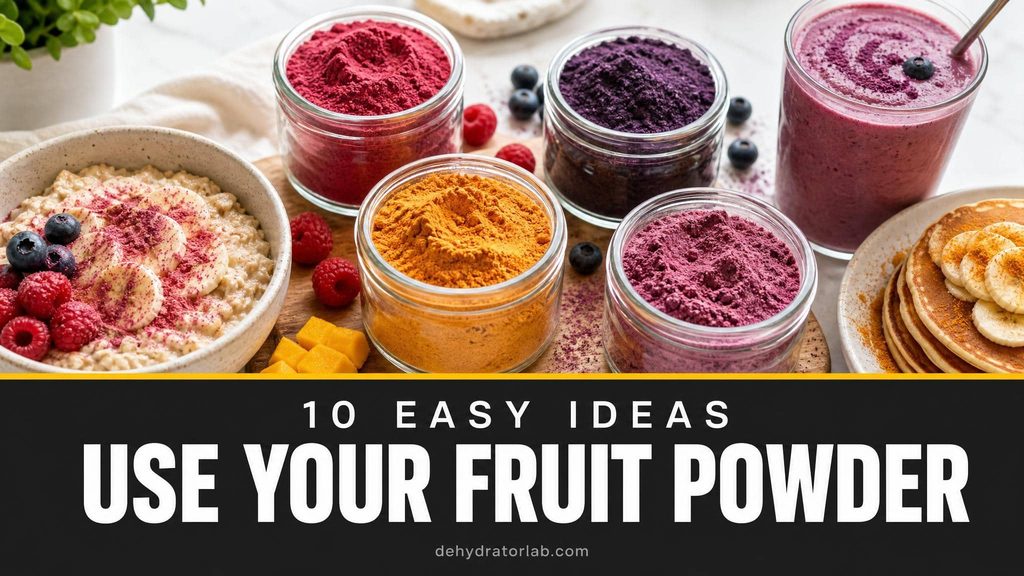
Got a jar of homemade fruit powder sitting in the pantry and no idea what to do with it besides sprinkle it on yogurt? You made the powder — now let’s actually use it.
A well-dried batch of fruit, ground fine in a spice grinder, is one of the most useful things your dehydrator makes. It’s shelf-stable, concentrated, and works in places fresh or frozen fruit just can’t go — batter, frosting, a dry spice rub. Let’s put that jar to work.
As an Amazon Associate, I earn from qualifying purchases. If you make a purchase after clicking on a link I may earn a small commission at no extra cost to you if items are purchased.
In this article:
TL;DR: Key Takeaways
- 🍓 Homemade fruit powder turns dried fruit into a fine, shelf-stable flavor boost you can use nearly every day.
- 🥣 It works in oatmeal, batter, smoothies, and yogurt without adding extra liquid to what you’re making.
- 🎂 A pinch doubles as a natural food coloring for frosting, glaze, and baked goods — no dye needed.
- 🍹 It rims glasses, flavors syrup, and finishes desserts with almost zero prep.
- 🥩 It’s not just for sweets — cherry and mango powders pull their weight in savory rubs and dressings too.
- 🫙 A little goes a long way, so one small batch lasts for months in a sealed jar.
Below are ten ways I actually use fruit powder in my own kitchen — grouped loosely from breakfast to dessert, sweet to savory. Pick two or three to start, then build the habit from there.
1. Stir Raspberry Powder into Oatmeal & Overnight Oats
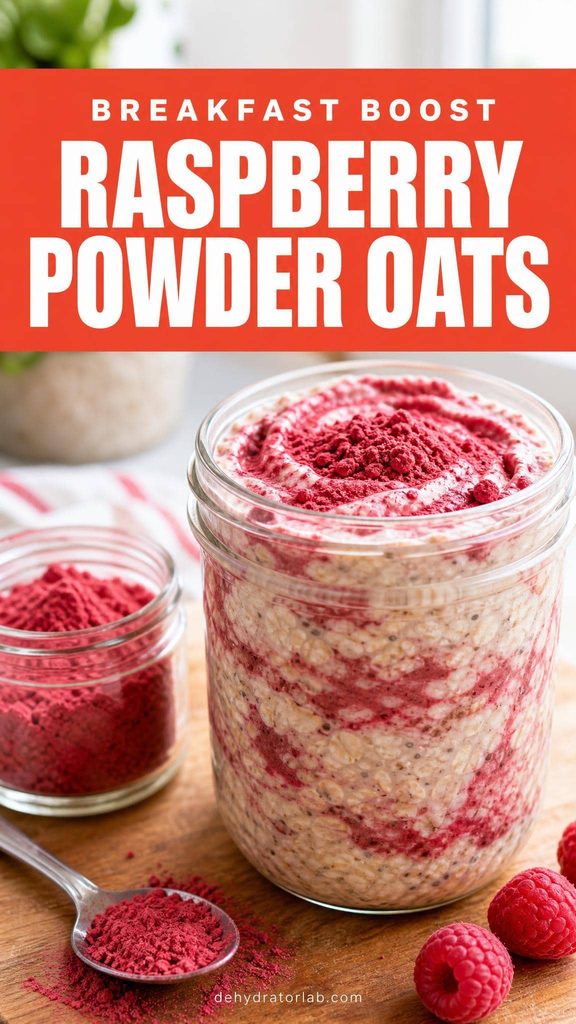
This is the easiest entry point on the list, and probably where most people start. A spoonful of raspberry powder stirred into warm oatmeal or a jar of overnight oats turns plain grains into something that tastes like it took effort.
Since the powder is dry, it doesn’t water down your oats the way fresh or thawed berries can. You get color, tang, and real raspberry flavor without a soggy bowl the next morning.
- Overnight oats: stir in ½–1 teaspoon per single-serving jar before it goes in the fridge
- Warm oatmeal: sprinkle over the top and swirl instead of stirring in, for a marbled look
- Swap in blueberry or strawberry powder for the same trick with a different flavor
It’s a small habit, but it’s the one that gets people to actually use the jar instead of letting it sit at the back of the cabinet. Breakfast, upgraded in five seconds.
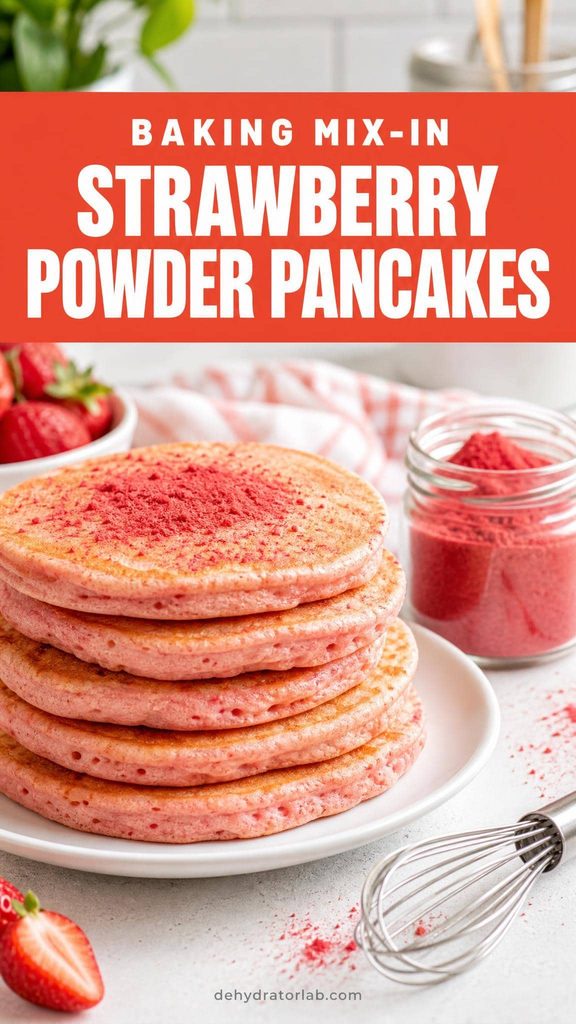
2. Whisk Strawberry Powder into Pancake or Waffle Batter
Skip the artificial pink box mix. A tablespoon or two of strawberry powder whisked into your usual pancake or waffle batter gives you naturally pink batter and real strawberry flavor baked all the way through, not just drizzled on top.
Because it’s dry, it doesn’t throw off your batter’s consistency the way pureed berries can. You may need a splash more milk to compensate for the extra dry volume — that’s the only adjustment.
Kids especially go for this one, since the color does half the selling before they even taste it. Pink pancakes, zero food coloring.
3. Blend Blueberry Powder into Smoothies for Concentrated Flavor
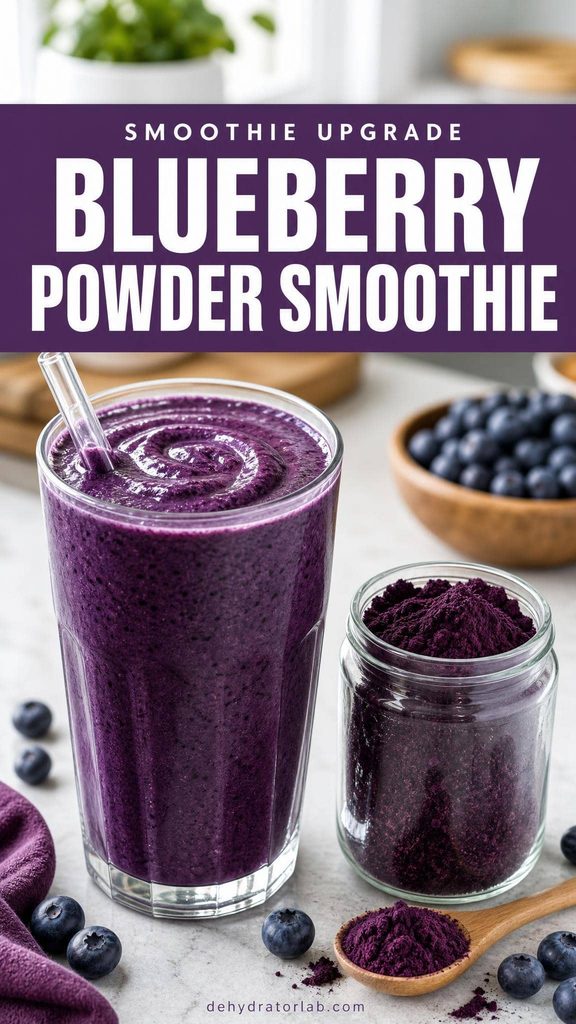
Ever add fresh berries to a smoothie and end up with more ice-water flavor than berry flavor? That’s the tradeoff with fresh fruit — you’re diluting as you blend. Blueberry powder skips that problem entirely.
A spoonful blends in smooth with zero seeds, zero extra liquid, and a deep blue-purple color that fresh berries alone rarely deliver. It’s concentrated flavor without watering down your base.
- Start with 1 teaspoon per 12–16 oz smoothie and adjust from there — it’s potent
- Pairs well with banana, yogurt, or a splash of vanilla for a milkshake-style smoothie
- Add it last, after blending, if you want visible ripples of color instead of a fully even tint
It also travels better than fresh berries for a grab-and-go smoothie kit — no mush, no mold risk. Big flavor, no dilution.
4. Use Fruit Powder as a Natural Food Coloring for Frosting & Glaze
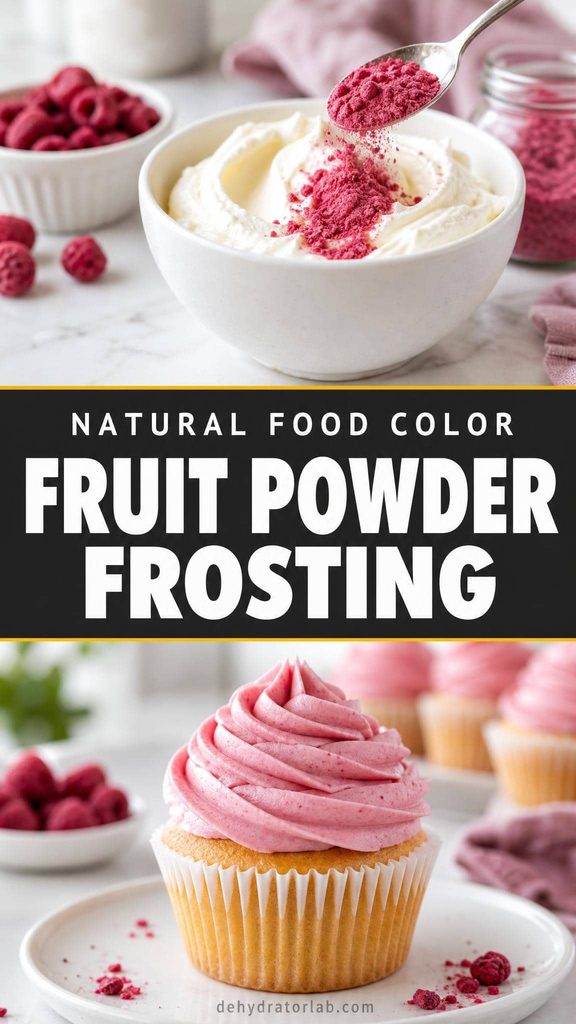
This is the trick that surprises people most: fruit powder isn’t just a flavor add-in, it’s a legitimate natural food dye. A little goes into buttercream, cream cheese frosting, or a simple powdered-sugar glaze and tints it without a drop of artificial color.
Raspberry and strawberry powders give you pink to red tones. For a magenta or deep red that leans less sweet, beet powder works the same way and barely changes flavor at that small a dose.
- Start with ¼ teaspoon per cup of frosting, mix, then add more to deepen the shade
- Sift the powder first to break up clumps before it goes into anything you’re not going to fully blend
- For glaze, whisk the powder into the powdered sugar before adding liquid, so it disperses evenly
It reads as natural because it is — there’s no ingredient label to explain to anyone. Color from the pantry, not a bottle.
5. Rim Cocktail & Mocktail Glasses with Fruit Powder Sugar
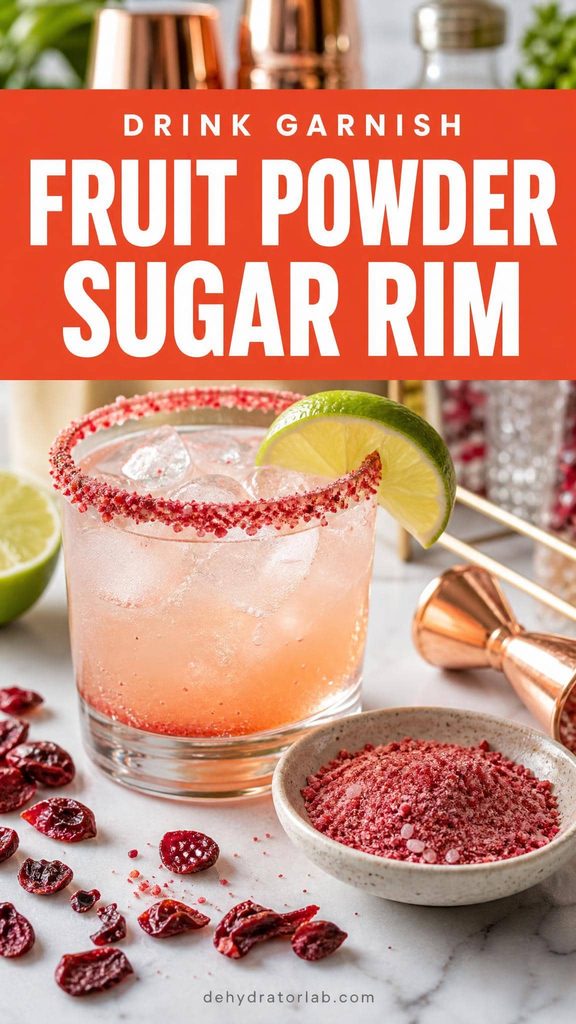
Bar-style glass rims usually mean plain sugar or salt. Mix fruit powder in with either one and you’ve got a flavored, colored rim that dresses up a drink without any extra syrup or garnish.
Tart powders work best here — dried and ground cranberries give you a sharp, festive red rim that plays especially well with a holiday mocktail or a simple sparkling water and lime.
- Mix 1 part fruit powder to 2–3 parts sugar, adjusting to taste and color intensity
- Run a lime or lemon wedge around the rim first so the sugar mix actually sticks
- Try cherry or mango powder for a different flavor lane on the same trick
It’s a five-minute upgrade that makes a home bar cart look like it belongs somewhere fancier. Instant garnish, zero garnish trip to the store.
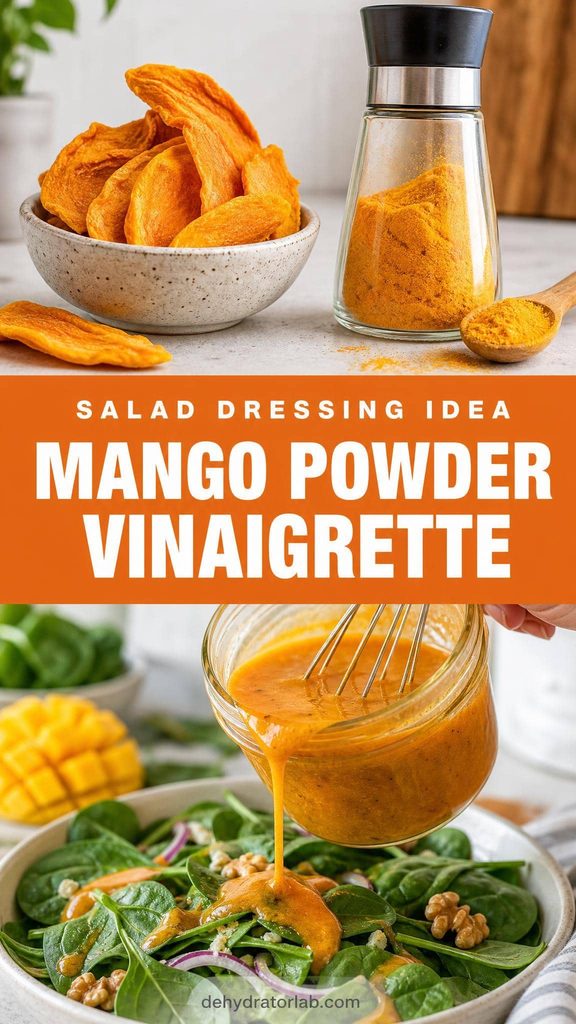
6. Whisk Mango Powder into a Sweet-Tart Vinaigrette
This is the one people don’t expect. Whisk a teaspoon of mango powder — made from dried tropical fruit ground fine — into olive oil, rice vinegar, and a little honey, and you’ve got a dressing with real fruit depth instead of bottled sweetness.
Mango’s natural sugar and slight tang make it a natural fit for a vinaigrette. Dried mango loses some of its vitamin C along the way compared to fresh, so it’s a flavor and color play here more than a nutrition one, but the taste holds up well in a dressing.
It works especially well over a spinach salad with grilled chicken or shrimp, where the sweetness balances the savory side of the plate. A dressing that doesn’t taste like it came from a bottle.
7. Mix Cherry Powder into a Savory Spice Rub for Pork or Chicken
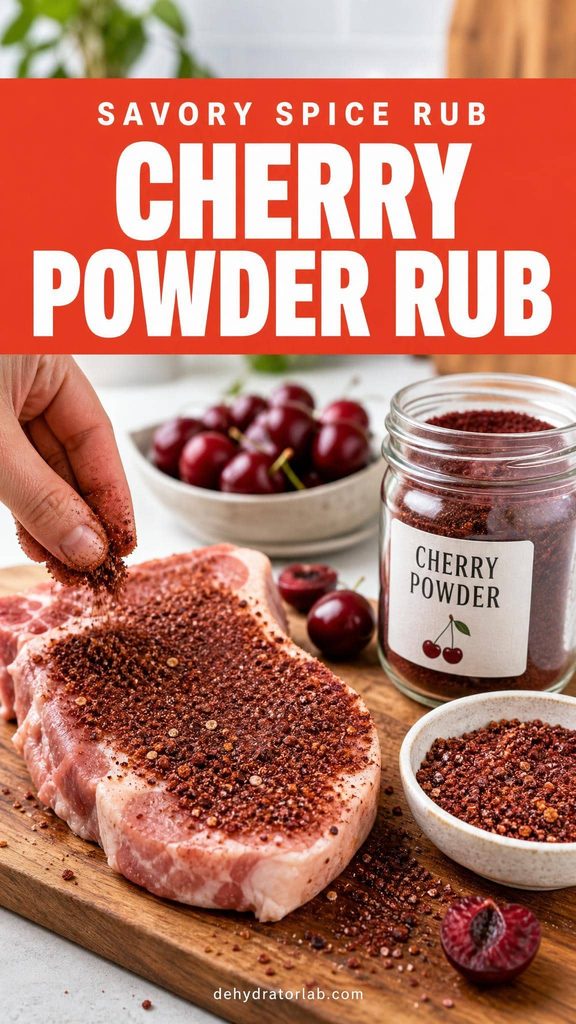
Fruit powder isn’t only for the sweet side of the menu. Ground dried cherries add a deep, slightly tart fruitiness to a savory dry rub that plays especially well with pork chops, chicken thighs, or a rack of ribs.
Blend it with smoked paprika, brown sugar, garlic powder, salt, and black pepper for a rub that’s part barbecue joint, part fruit stand. The cherry doesn’t read as dessert here — it deepens the char and balances the smoke.
- Use about 1 tablespoon cherry powder per ¼ cup of finished rub
- Blueberry powder makes a solid substitute if cherry isn’t on hand
- Pat the meat dry before applying so the rub sticks instead of clumping
It’s the item on this list most likely to surprise a dinner guest in the best way. Fruit powder’s savory side hustle.
8. Fold Apple Powder into Muffins, Granola Bars & Energy Bites
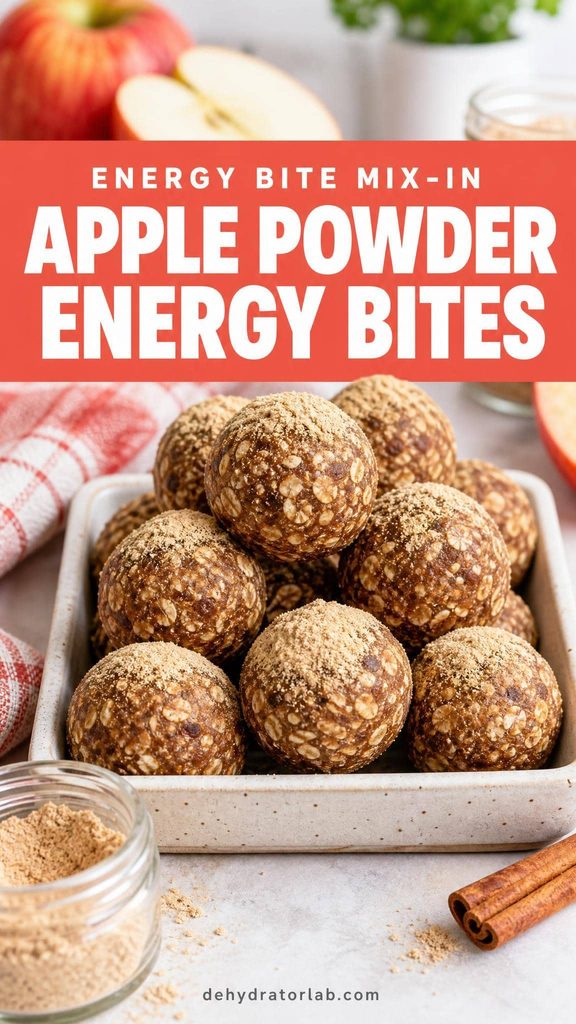
Ground dried apple brings warm, mellow sweetness to baked goods without adding the moisture fresh apple chunks bring — which means no soggy middle in your muffins or bars.
It pairs naturally with cinnamon, oats, and a little brown sugar, so it slots right into a muffin batter, a granola bar mix, or a no-bake energy bite recipe without changing the method at all.
- Muffins: fold in 2–3 tablespoons per standard batch, along with a pinch of cinnamon
- Energy bites: work it into the dates-and-oats base for natural sweetness without more sugar
- Granola bars: sprinkle over the mixture before pressing it into the pan for even distribution
It’s a quiet way to cut added sugar while keeping the flavor exactly where you want it. Apple pie flavor, none of the mess.
9. Dust Pumpkin Powder over Yogurt, Lattes & Roasted Veggies
Pumpkin powder is one of the most versatile jars in the fridge once you have it, because it swings sweet or savory depending on what you pair it with.
Whisk it into steamed milk with a little maple syrup and cinnamon for a homemade pumpkin latte, or stir it into plain yogurt with honey for a fall-flavored breakfast. On the savory side, dust it over roasted squash or carrots before they go in the oven for a deeper pumpkin note underneath the caramelization.
It’s also a smart way to use up a small amount of pumpkin without committing to a whole can. One jar, three completely different uses.

10. Stir Citrus Powder into Whipped Cream or Simple Syrup
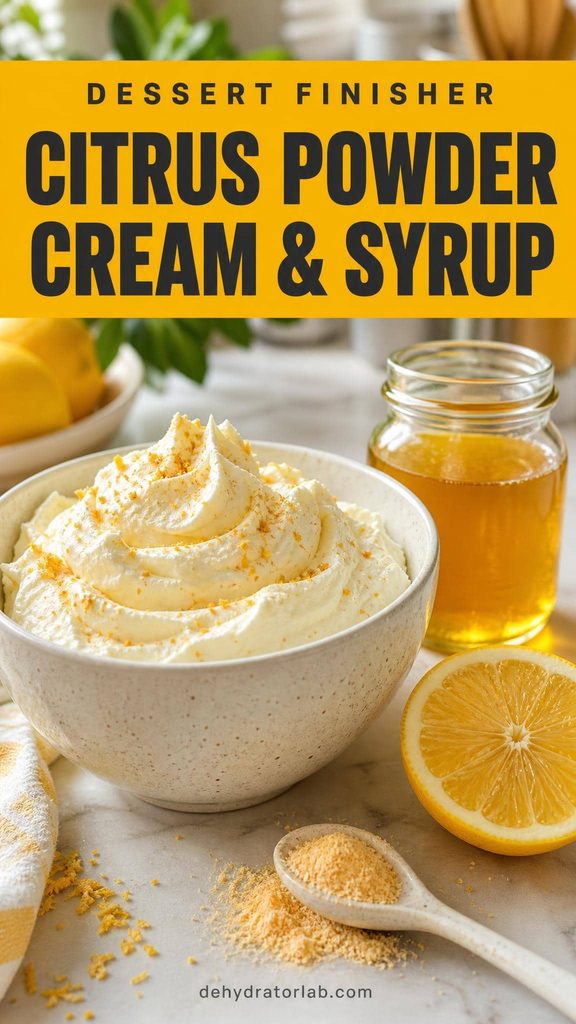
Powder made from dried orange slices or dried lemon zest brings a bright citrus punch to two dessert staples: whipped cream and simple syrup.
For whipped cream, add citrus powder in the last minute of whipping so it doesn’t deflate the cream. For simple syrup, whisk it into the sugar before the water goes in, then simmer and strain — you get a citrus syrup that keeps for weeks and works in drinks, glazes, and fruit salads alike.
- Whipped cream: start with ½ teaspoon per cup of cream, taste, and add more
- Simple syrup: 1–2 tablespoons per cup of sugar, adjusted to how bold you want the citrus
- Strain the syrup through a fine-mesh sieve to catch any leftover pith or pulp
Both keep in the fridge for weeks, so a single batch of powder covers a lot of desserts over time. Citrus flavor on standby, whenever you need it.
Quick Reference: How Much Powder to Use
Fruit powder is potent, so a little goes further than fresh fruit ever could. Here’s a rough starting point for each use above — adjust up or down to taste once you know your own jar’s strength.
| Use | Starting Amount |
|---|---|
| Oatmeal or yogurt topping | ½–1 teaspoon per serving |
| Pancake or muffin batter | 1–3 tablespoons per batch |
| Smoothies | 1 teaspoon per 12–16 oz |
| Frosting or glaze coloring | ¼ teaspoon per cup, to taste |
| Drink rim sugar | 1 part powder to 2–3 parts sugar |
| Vinaigrette or dressing | 1 teaspoon per ½ cup dressing |
| Savory spice rub | 1 tablespoon per ¼ cup rub |
Personal Tips You Can Steal
I keep every fruit powder in a small airtight glass jar, labeled with the fruit and the date, so I’m never guessing what’s inside three months later. I always run dried fruit through the grinder twice, then sift it through a fine-mesh sieve — the first pass leaves more small chunks than you’d expect.
I add powder to liquids off the heat whenever I can, since some color and flavor fade with prolonged high heat. I taste as I go instead of measuring blind, because every batch of homemade powder is a little different in strength. And I make a double batch of whatever fruit is cheapest that week, since the powder keeps so much longer than the fresh version ever would.
Final Thoughts
Homemade fruit powder earns its shelf space the moment you start using it for more than a yogurt topping. Once it’s part of your baking, your dressings, and even your spice rubs, that jar stops being a novelty and starts being a staple you reach for weekly.
Start with one or two of these — oatmeal and frosting are the easiest wins — then work your way down the list as you get a feel for how strong your own batches run.
Related reading: if you haven’t made a batch yet, start with 15 Best Fruits to Dehydrate at Home to pick your fruit, then check Can You Over Dehydrate Food? before you grind anything, since bone-dry fruit grinds into finer, longer-lasting powder.
If leather is more your speed than powder, How to Make Fruit Leather in a Dehydrator covers that side of the pantry too.
P.S. — if you try the cherry powder spice rub, let me know how it goes. It’s the one I get the most surprised reactions to. 🙂