Ever stood in the spice aisle wondering why ají amarillo costs a small fortune, or why the “chili-lime” mango in the snack section tastes mostly like sugar?
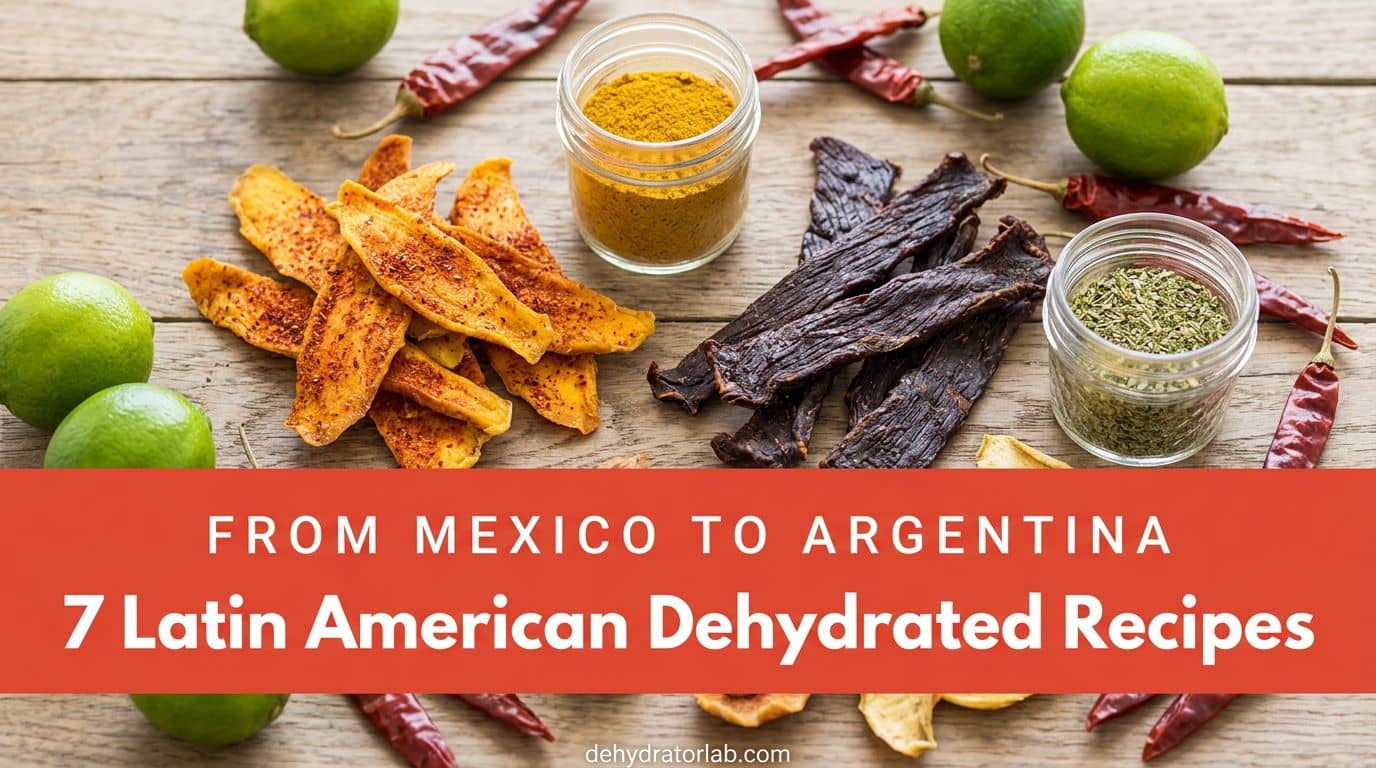
Latin American kitchens have been drying food for generations: beef, chiles, fruit, herbs. A dehydrator just does it on your schedule instead of the weather’s. Seven recipes below, four snacks and three pantry ingredients, all built from things you can find at a regular grocery store or a Latin market. Let’s get those trays loaded.
As an Amazon Associate, I earn from qualifying purchases. If you make a purchase after clicking on a link I may earn a small commission at no extra cost to you if items are purchased.
In this article:
TL;DR: Key Takeaways
- 🥭 Chili-lime mango and papaya spears dry at 135°F (57°C) and finish chewy, not crisp
- 🥩 Carne seca-style beef needs lean cuts and a safe 160°F (71°C) internal temperature before it counts as jerky
- 🌶️ Chile and tomatillo powders must be bone dry before grinding, and you should wear gloves and grind in a ventilated spot
- 🍯 Tamarind leather is the sweet-sour roll-up you’ve seen at Mexican candy shops, made with one ingredient and a strainer
- 🌿 Chimichurri dry mix keeps for months and comes back to life with vinegar, oil, and a splash of warm water
- 🧂 Four snacks, three ingredients, and not one of them needs a trip to a specialty importer
Start with the mango if you want an easy win, then work your way toward the powders once you’ve got the hang of your trays.
1. Mango con Chile Strips
Mango con chile is the street-cart classic: fruit, lime, salt, and chile powder, no more complicated than that. Dried, it turns into a chewy strip that packs a sweet-sour-spicy punch in every bite.
Pick fruit that’s ripe but still firm, peel it, and cut quarter-inch strips off the pit. Toss them in fresh lime juice, then dust lightly with a chile-lime seasoning (Tajín works, or mix chili powder, fine salt, and a little lime zest). Dry at 135°F (57°C) for 8–10 hours, and finish with a second light dusting once the strips cool. Ripe fruit makes the whole thing taste like candy with a kick.
This is the sliced-fruit cousin of my spicy mango jerky, which starts from a puree instead. Need the basics on cutting and drying mango itself? My how to dehydrate mango guide covers it.

2. Carne Seca-Style Dried Beef
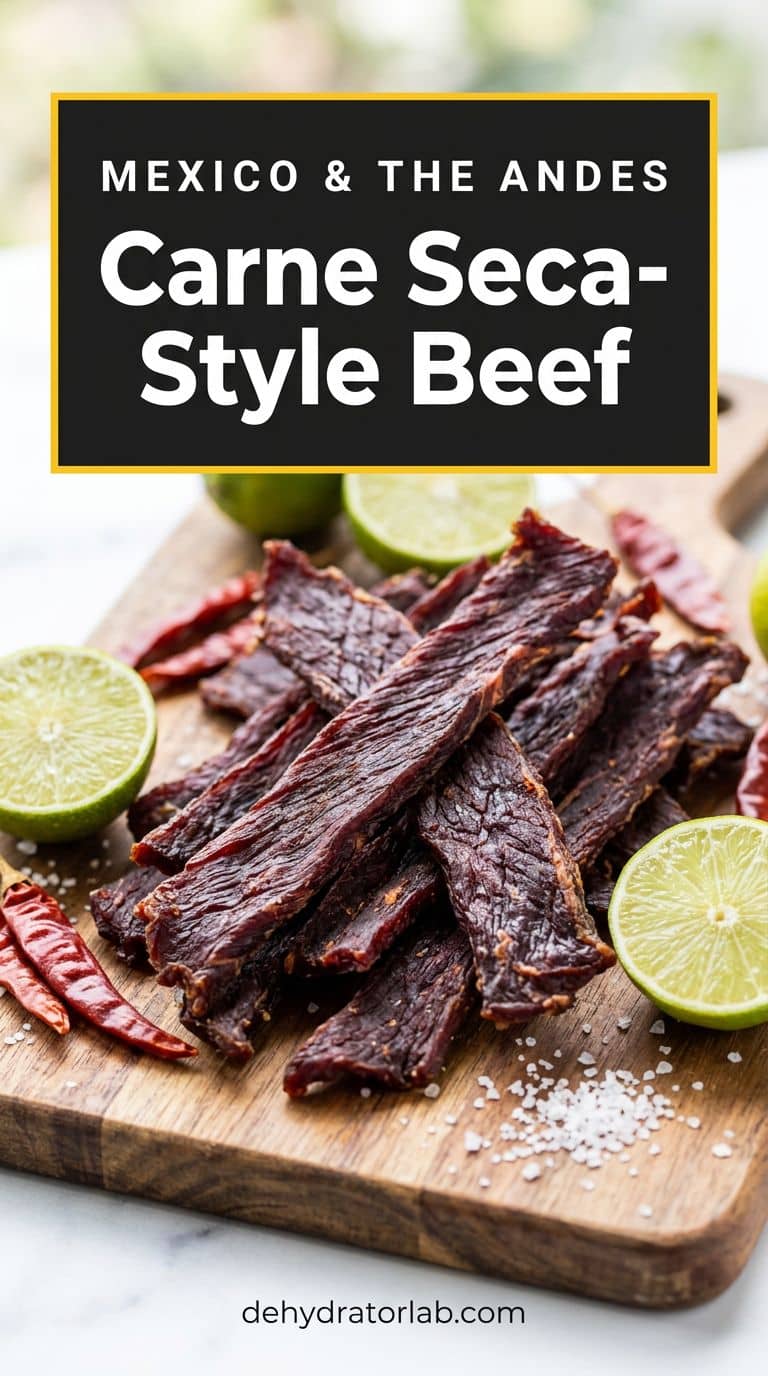
Carne seca in northern Mexico and charqui in the Andes share the same idea: thin beef, plenty of salt, dried until it’s tough enough to last. This version keeps that spirit with a lime, garlic, and chile marinade, and it ends up closer to jerky than to anything fresh.
Start with a lean cut such as eye of round or flank, trimmed of all visible fat. My guide to the best cuts of beef for dehydrator jerky explains why. Slice 1/4 inch thick, marinate overnight in lime juice, salt, garlic powder, ground chile, and cumin, then pat the strips dry before loading the trays.
Food safety first: beef should reach 160°F (71°C) internally, per the USDA’s safe minimum internal temperature chart. Run your dehydrator at its highest setting for the first hour or two and check a strip with a thermometer. Then drop to 135–145°F (57–63°C) for another 3–5 hours until it cracks when bent but doesn’t snap in half. If you want more marinade ideas, my 10 best beef jerky recipes roundup has plenty. Dry, dark, and chewy is the target.
- Blot the strips before drying so they dehydrate instead of steam
- Blot fat droplets halfway through the cycle
- Store cooled strips airtight and check for moisture after 24 hours, because condensation means more drying time
3. Papaya Spears with Lime & Chile
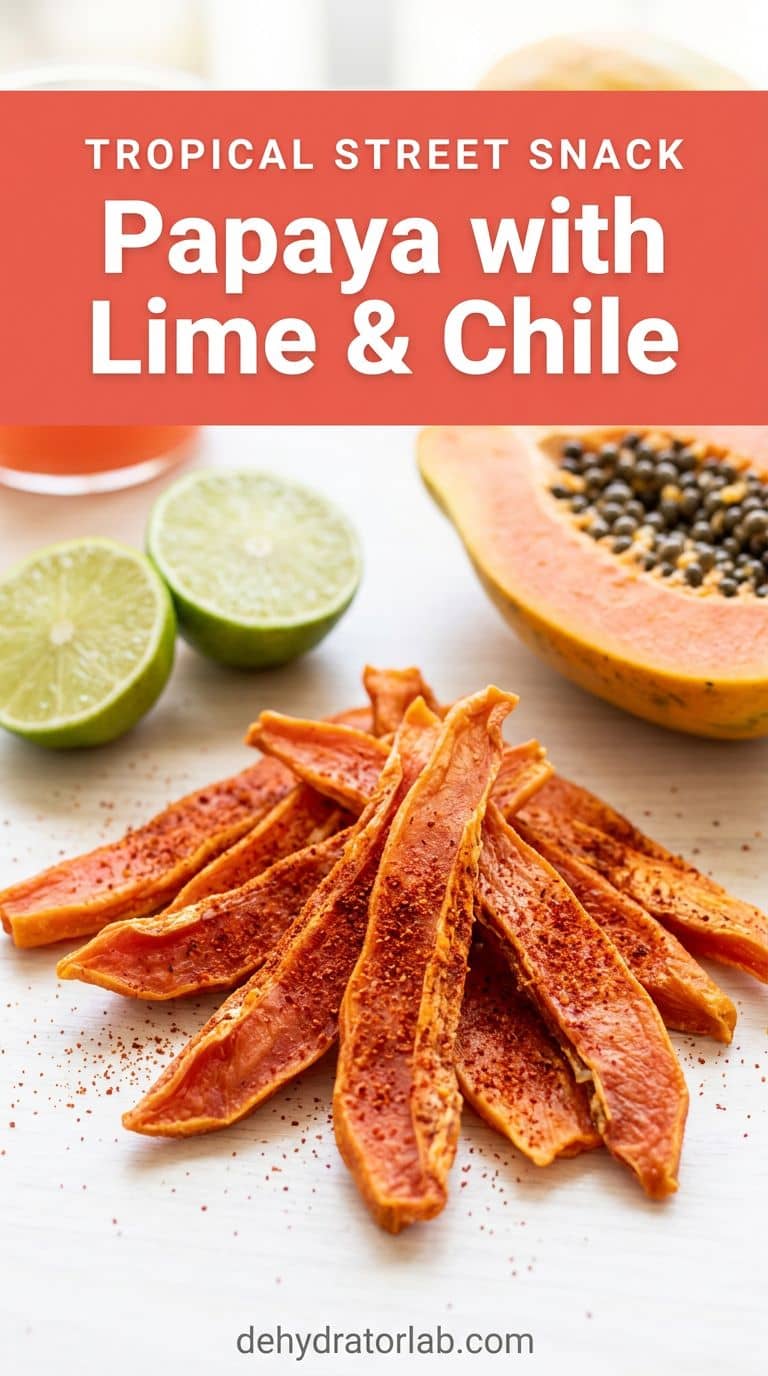
Papaya with lime and chile powder is a staple of fruit stands across Mexico and Central America. Dehydrating it concentrates that musky sweetness into something closer to a soft candy, with the chile and lime keeping it from getting cloying.
Choose a papaya that’s mostly orange but still firm to the touch. Halve it, scoop out the seeds, peel, and cut half-inch-thick spears. Toss with lime juice, a pinch of salt, and a light dusting of chile powder. Dry at 135°F (57°C) for 8–12 hours until leathery and pliable with no wet spots in the center. Thicker spears take the longer end of that range, so keep them uniform in thickness.
Prefer crunch to chew? My air fryer papaya chips go crisp, and the tropical fruit roundup has more fruit to dry on the same tray run.
4. Tamarind Fruit Leather (Tamarindo Roll-Ups)
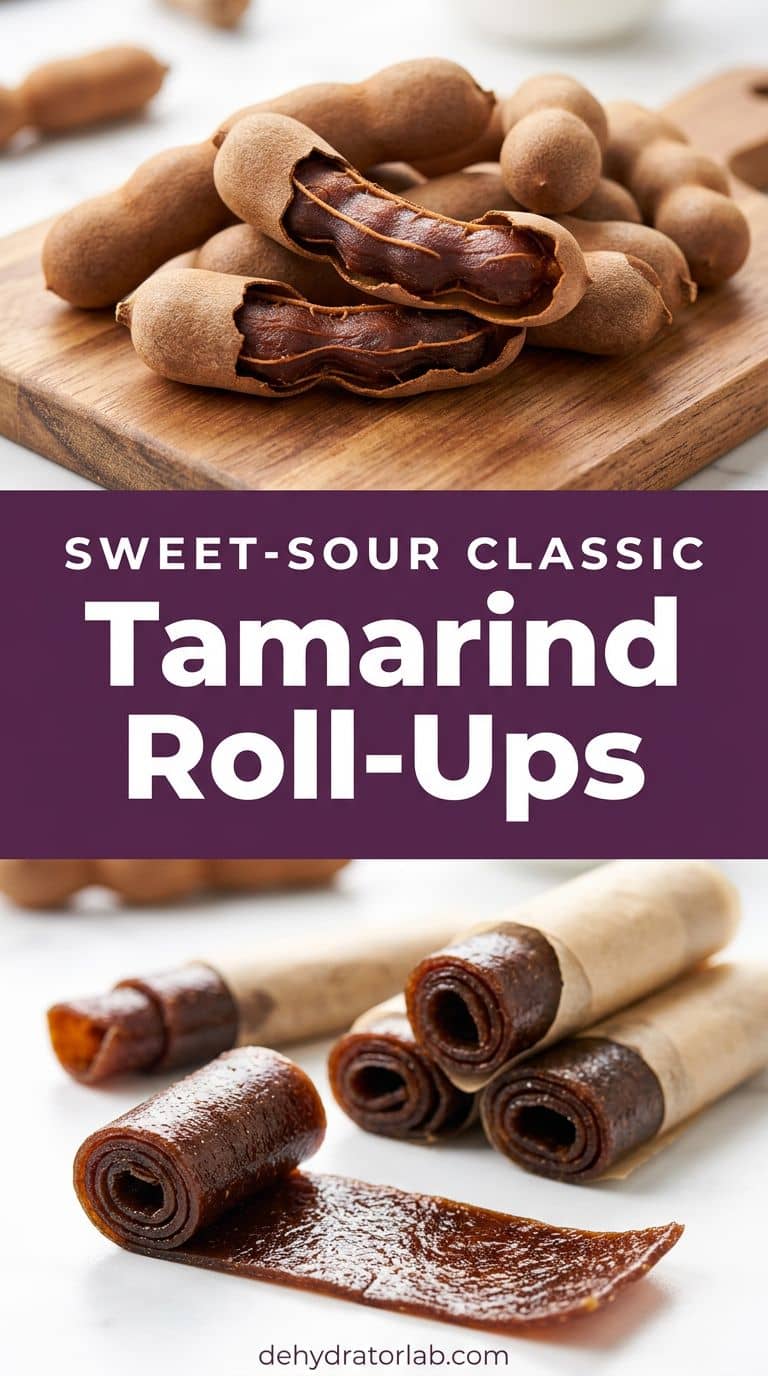
Ever notice how Mexican candy shops sell tamarind in every shape, from pulp bars to chile-dusted straws? Tamarind leather is the homemade version, and it’s one of the few fruit leathers that leans sour first and sweet second.
Start with seedless tamarind pulp or paste. If you only find a block with seeds, soak it in hot water and work it through a fine strainer first. Simmer a cup of pulp with a cup of water and a few tablespoons of sugar or honey until smooth, add a pinch of chile powder if you like heat, then spread 1/8 inch thick on a lined tray. A reusable silicone dehydrator sheet keeps this sticky puree from gluing itself to the tray.
Dry at 135°F (57°C) for 6–8 hours until it peels cleanly and feels tacky-dry, never wet. My fruit leather method covers the puree basics, and the tropical fruit leather roundup has more flavors if you want a sweeter lineup. Roll it in parchment and keep the strainer handy.
5. Ají Amarillo Powder
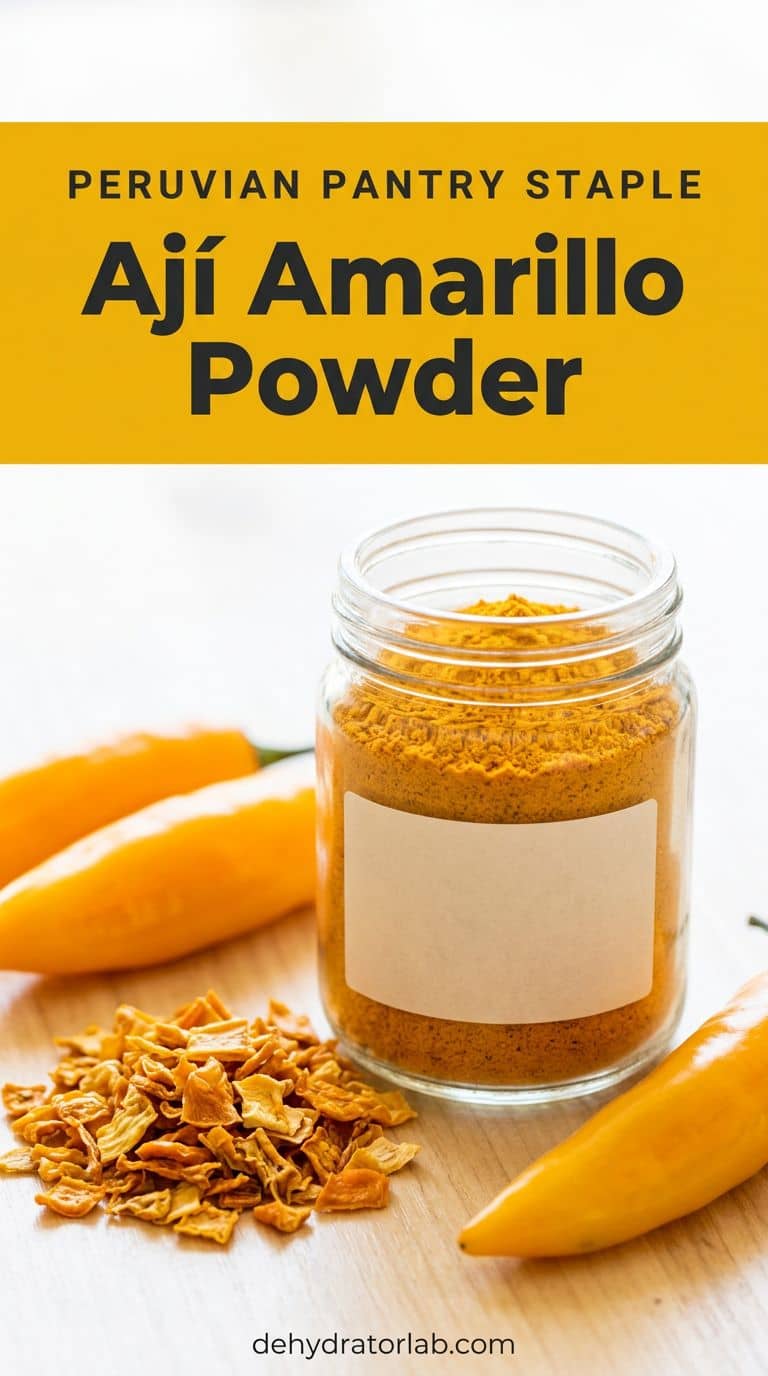
Ají amarillo is the backbone of Peruvian cooking: a golden-orange pepper with real heat and a fruity, almost sunny flavor. Fresh ones can be hard to find, but Latin markets often carry them frozen, and a dried-and-ground jar lasts far longer than a bag of fresh peppers ever will.
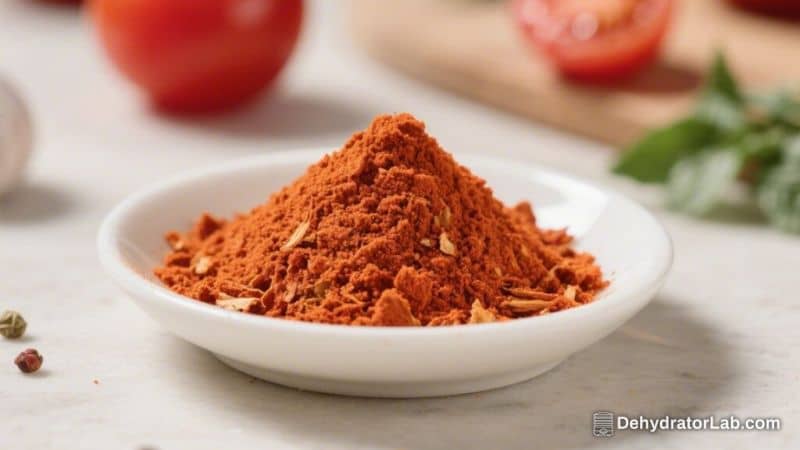
Wear gloves, slice the peppers into rings or strips, and remove the seeds if you want to tone down the heat. Dry at 125–135°F (52–57°C) for 8–12 hours until they snap, not bend. Grind in short bursts, and do it in a ventilated spot, because the dust gets in your eyes and throat. A dedicated spice grinder makes this far less of a chore than a blender does. My jalapeño drying guide covers the same drying and grinding steps in more detail.
Stir it into rice, stews, marinades, or sauces, a teaspoon at a time. It concentrates in the jar, so start small and taste.
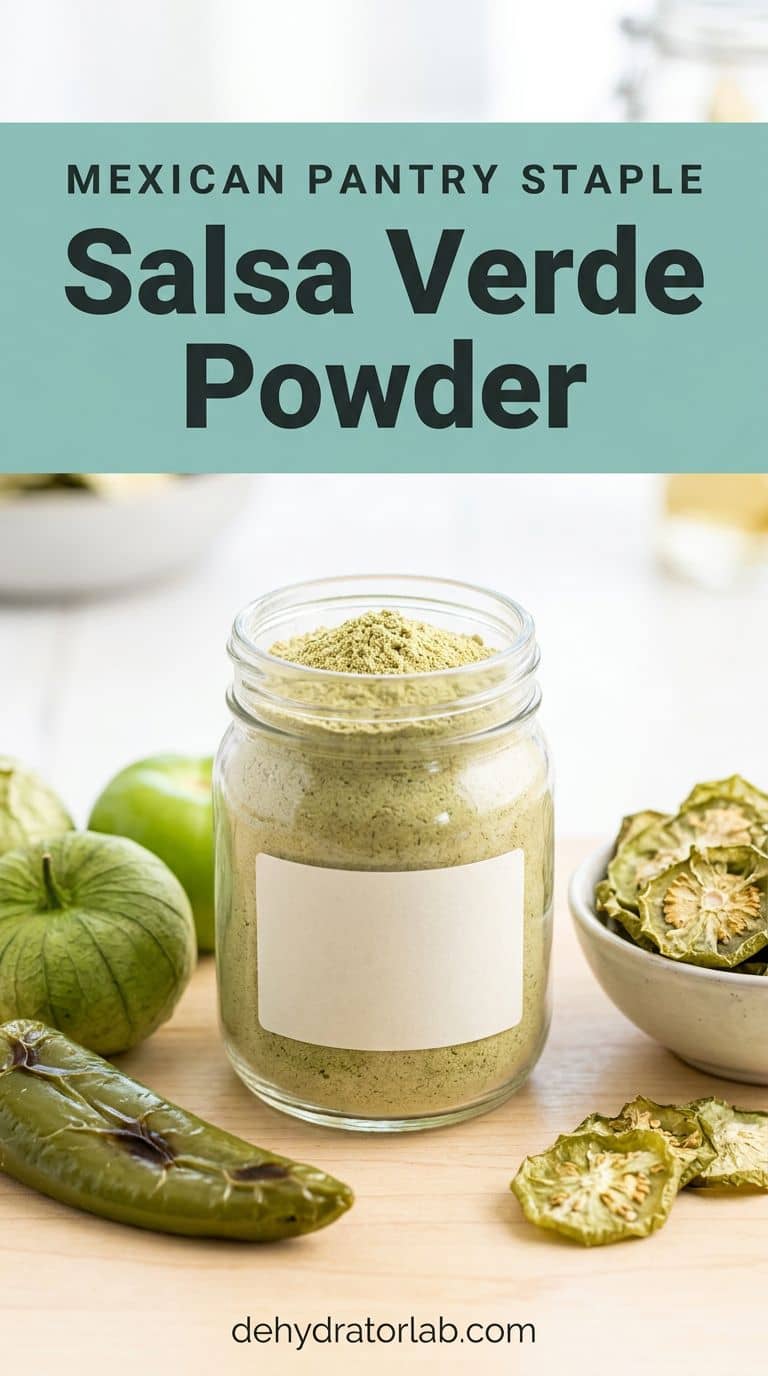
6. Salsa Verde Powder (Tomatillo & Roasted Chile)
Salsa verde in a jar is great until you’ve got a pantry full of jars. A powder made from dried tomatillos and chiles takes up almost no space and turns into the tangy base for salsa, soup, or a quick taco sauce.
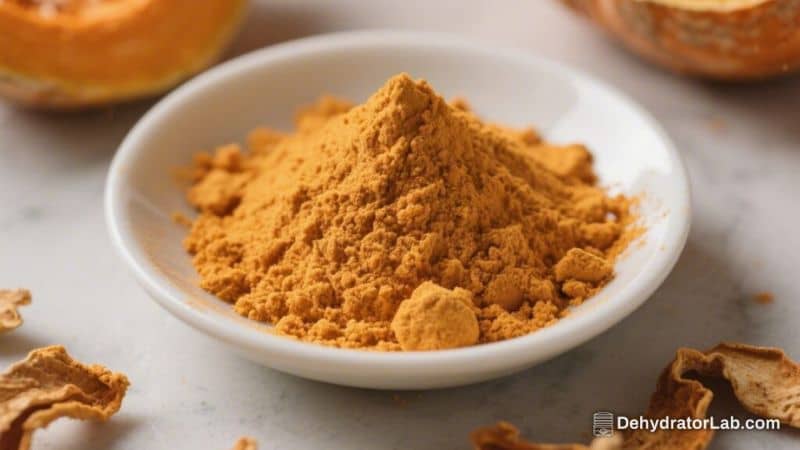
Husk the tomatillos, rinse off the sticky film, and slice them evenly. A mandoline gets you quarter-inch slices fast. Add a roasted jalapeño or serrano, sliced thin, and a little garlic. Dry everything at 135°F (57°C) for 8–12 hours until brittle, then grind. My tomatillo guide has the drying details, and the jalapeño guide covers the chiles.
To use it, stir a tablespoon or two into warm water or broth and let it sit a few minutes, then add salt, lime, and fresh cilantro to taste. Dry it fully and no clumps, no mold.
7. Chimichurri Dry Herb Blend
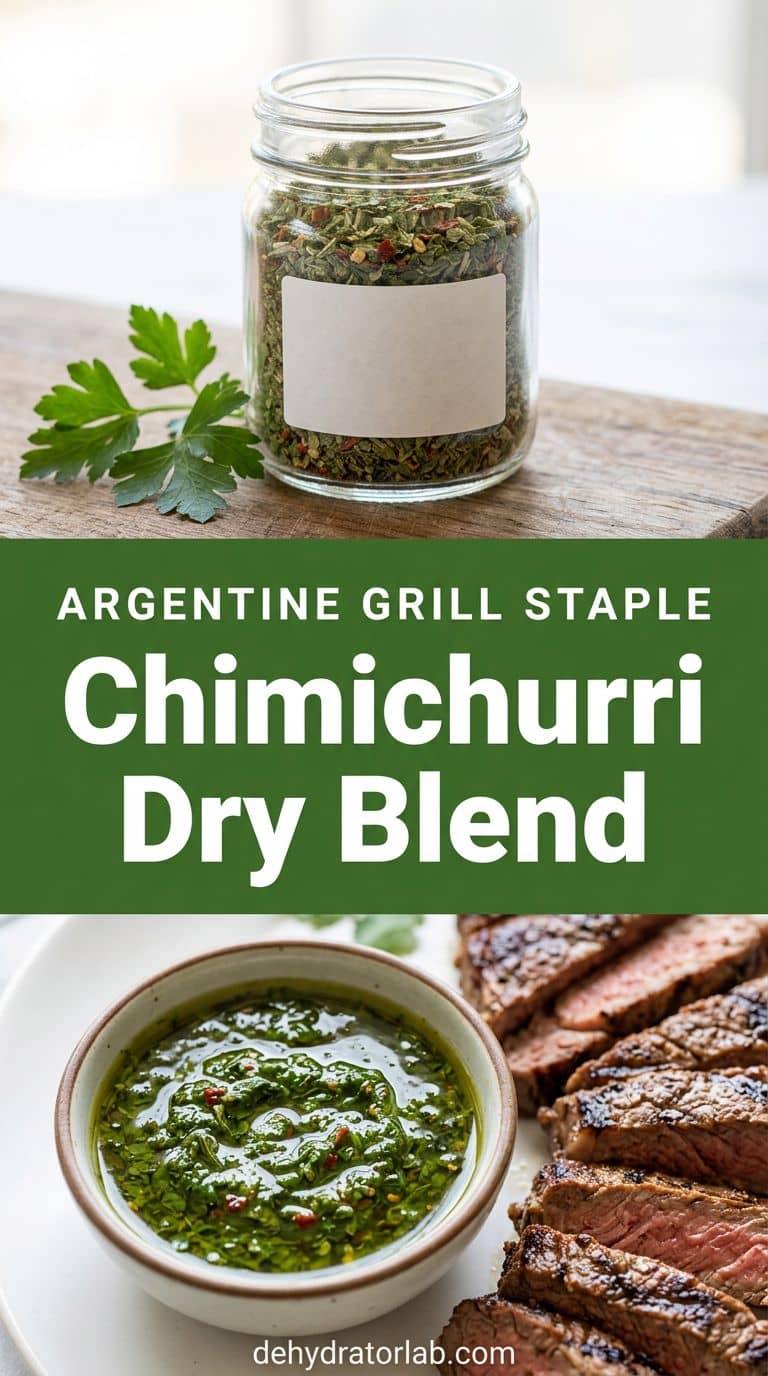
Chimichurri is Argentina’s answer to every steak: parsley, garlic, oregano, chile, vinegar, and oil. The fresh sauce doesn’t keep, but a dry blend of the same herbs does, and it’s ready to go whenever the grill is.
Dry parsley and oregano at 95–105°F (35–41°C) for 2–4 hours until they crumble between your fingers. My guides to dehydrating parsley and dehydrating oregano have the details. Mix 4 parts parsley, 2 parts oregano, 1 part garlic granules, and about half a part red pepper flakes, and crush rather than powder so the leaves keep some texture.
To turn it into sauce, stir a tablespoon of the blend into 2 tablespoons of red wine vinegar, 1/4 cup olive oil, and a splash of warm water, then let it sit 15 minutes. My dehydrated herb blends roundup has more mixes built the same way. Dry blend now, sauce in minutes.
Personal Tips You Can Steal
I always wear gloves when I cut chiles, even the mild ones, because I learned the hard way what happens when you rub your eye an hour later. I grind pepper powders outside or under the range hood and let the dust settle before I open the grinder. I taste every new chile powder on a bit of rice before I commit it to a stew, since heat varies a lot from batch to batch. I label jars with the name and the date, because dried yellow and green powders look alike after a few weeks. And I keep a thermometer by the dehydrator every time beef is on the trays, since 160°F is not something I eyeball.
Final Thoughts
Seven recipes, seven countries’ worth of flavor, and none of them need more than a dehydrator, a grinder, and a few limes. Start with the mango, graduate to the powders, and your spice rack will never look the same.
Related reading: if you want more seasoning mixes made the same way, check my 9 dehydrated seasoning recipes, and for a lighter, fruitier sweet treat, my 8 dehydrated pineapple recipes include a chili-lime version.
P.S. Start with the mango con chile if you’re nervous about trying a new cuisine — it’s the most forgiving recipe here and the first one to disappear from the jar. 🙂