Ever simmer a pot of broth for hours and still end up with something that tastes like warm water with good intentions? Same. The fix usually isn’t more time on the stove — it’s what you stir in at the end.

These seven dehydrated ingredients are concentrated flavor bombs, not bulk. A pinch or a spoonful does what an extra hour of simmering can’t. Let’s fix that flat-tasting pot.
In this article:
TL;DR: Key Takeaways
- 🍄 Mushroom powder is the single biggest umami upgrade you can stir into a pot
- 🍅 Tomato powder adds depth and a little acidity without watering anything down
- 🧅 Shallot powder dissolves smoother than onion and tastes sweeter doing it
- 🧄 Roasted garlic powder brings mellow sweetness instead of raw bite
- 🫚 Ginger adds brightness that plain simmering never will
- 🌿 Celery powder is the invisible backbone under everything else
- 🧡 Turmeric adds color and warmth with almost no flavor footprint at low doses
Quick note: this isn’t about bulking a soup with vegetables – that’s covered in my soup vegetable guide. And it’s not a full jar mix either, like my soup mix recipes. This is just the flavor layer – the stuff you stir into a pot of plain broth to make it taste as if it simmered for a day. Here’s the lineup.
1. Mushroom Powder
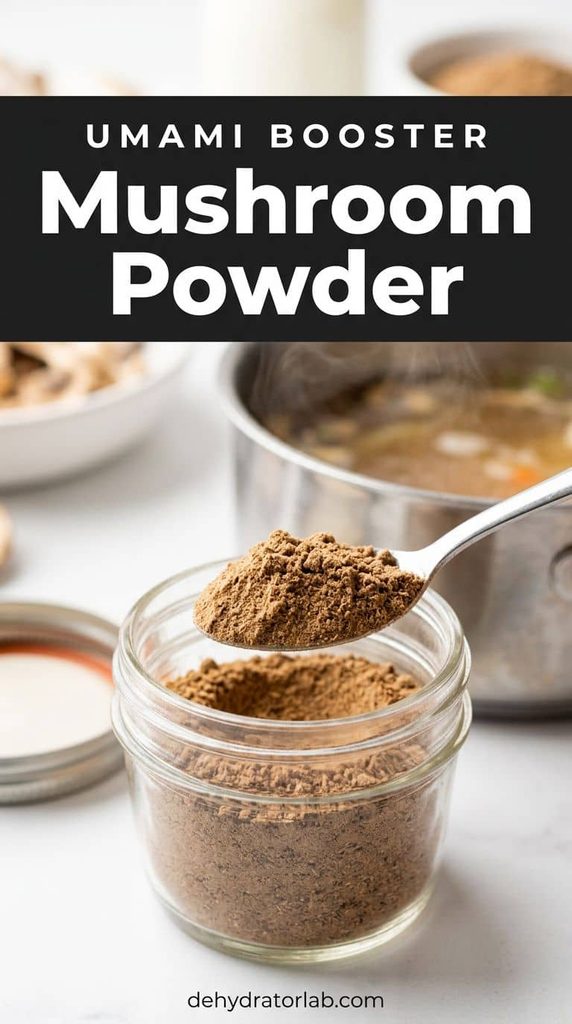
If you only add one thing to this list, make it this one. Dried mushrooms are loaded with natural glutamates — the same compound behind that “can’t quite name it but it’s delicious” savoriness in a good restaurant stock.
My full dehydrated mushroom powder guide covers the grind, but the short version for broth: whisk in a teaspoon per quart at the start of the simmer so it has time to bloom, not at the very end. It works in anything — chicken, beef, or fully vegetarian broth.
- 1 teaspoon per quart of broth for a subtle boost
- Up to 1 tablespoon per quart if you want it to taste distinctly mushroom-forward
- Whisk in early, not as a last-minute stir
It disappears completely into the broth’s color while doing all the heavy lifting on flavor. The one upgrade that works in literally any broth.
2. Tomato Powder
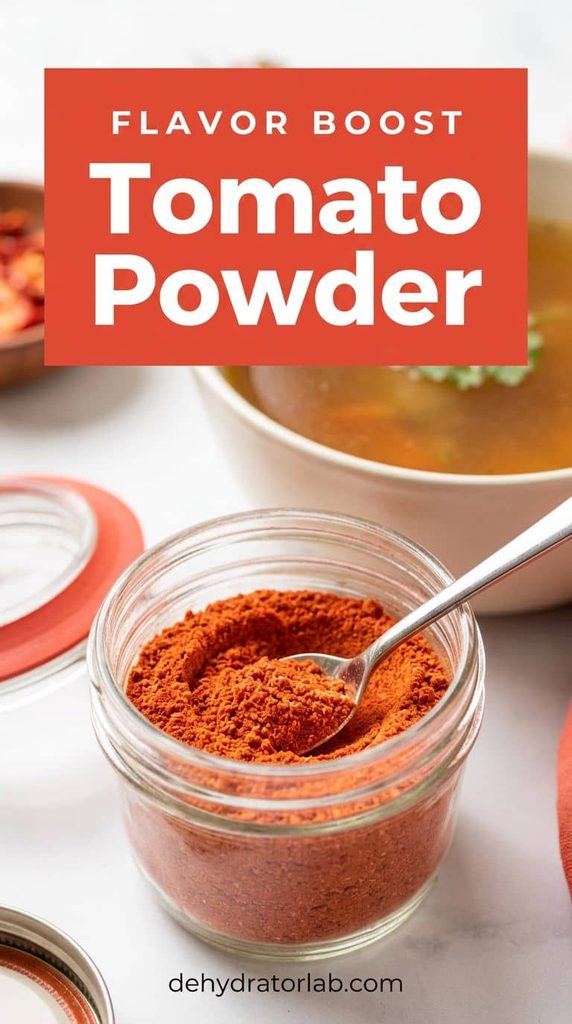
Tomato powder does what plain broth desperately needs: a little acidity and a lot of depth, without adding a drop of liquid. That matters when you’re already at your target volume and can’t afford to water things down.
My dehydrated tomato powder recipe walks through the drying and grinding, but for broth purposes, a half teaspoon per quart rounds out the flavor without tipping it into “tomato soup” territory. Use more if you’re building toward a minestrone-adjacent broth.
It’s especially good in beef and vegetable broths where you want richness but not a heavy hand. Depth without diluting anything.
3. Shallot Powder
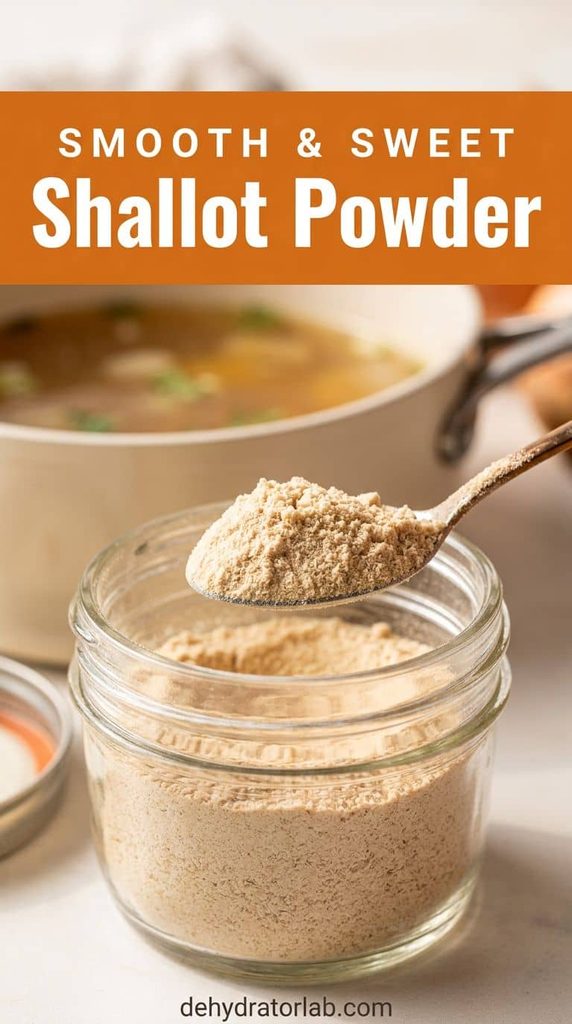
Onion powder gets all the attention, but shallot powder is the better move for broth specifically. Shallots are milder and sweeter than onions to begin with, and that sweetness carries through drying and grinding.
My dehydrated shallot powder guide covers the full process. In broth, it dissolves completely smooth with none of the stringy texture you’d get from rehydrating diced fresh shallot, and it doesn’t fight with delicate ingredients the way raw onion sometimes does.
A half teaspoon per quart is plenty to start. Sweeter, smoother, and easier to control than onion.
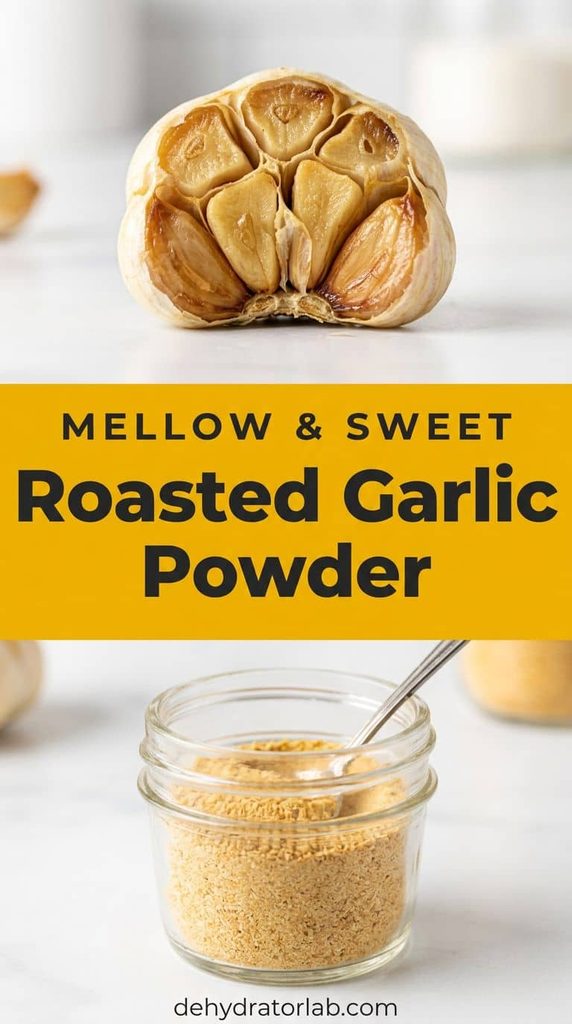
4. Roasted Garlic Powder
Regular garlic powder can turn sharp and a little bitter if it sits too long in a hot pot. Roasting the cloves first — before they ever hit the dehydrator — sidesteps that completely and gives you a mellow, almost caramelized sweetness instead.
Roast a head of garlic wrapped in foil at 400°F (204°C) for 35-40 minutes until soft, mash the cloves into a thin paste, spread it on a lined tray, and dry at 125-135°F until brittle before grinding. It takes an extra step compared to buying garlic powder off a shelf, but the flavor difference in broth is obvious.
Start with a scant half teaspoon per quart — it’s more concentrated than it looks. All the garlic, none of the bite.
5. Dehydrated Ginger Root Slices
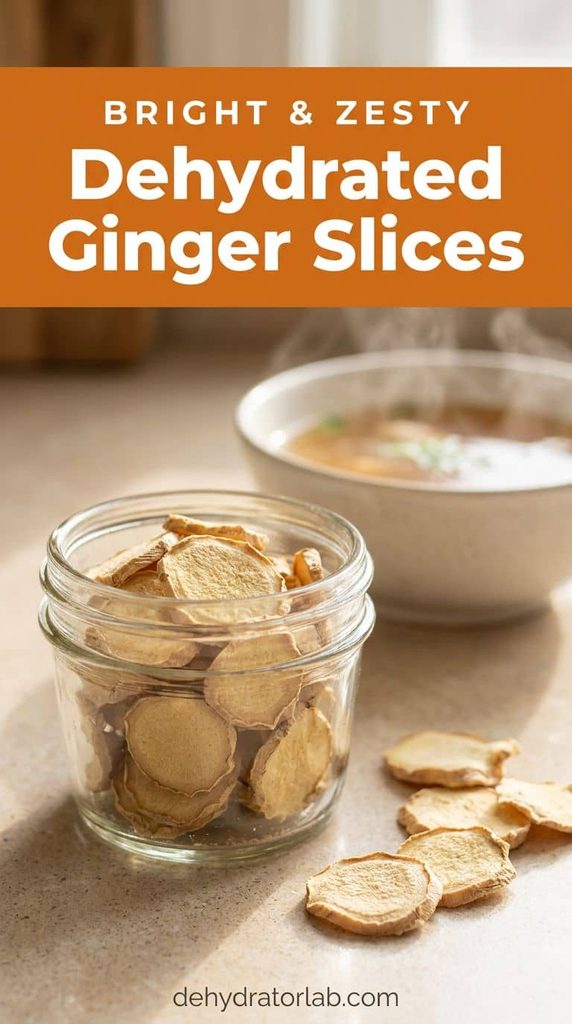
Ginger brings a brightness that plain simmering can’t fake — a little warmth and citrusy lift that cuts through richness instead of adding more of it. It’s the ingredient most home broths are missing without anyone quite knowing why.
My dehydrated ginger root slices guide covers drying whole coins, which is exactly what you want here — drop 2-3 dried coins per quart directly into the simmering broth and fish them out before serving, the same way you would with fresh ginger.
It’s especially good in chicken and pork broths headed toward an Asian-style soup. The brightness plain simmering can’t fake.
6. Celery Powder
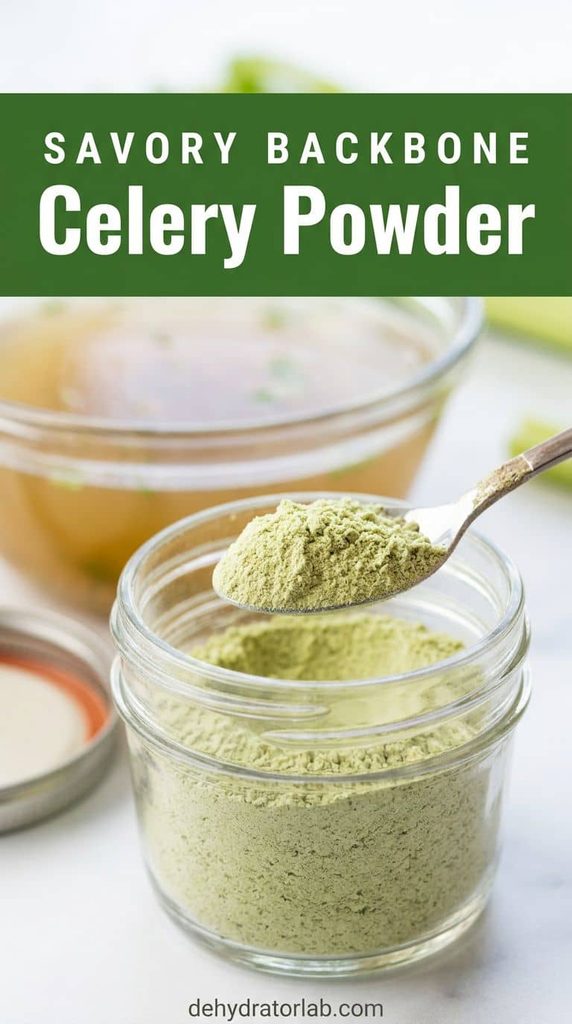
Celery is the ingredient every broth secretly leans on, and powder form means you get that backbone flavor without a single stringy fiber floating in your bowl.
My dehydrated celery powder recipe covers the drying and grinding. In broth, it’s meant to disappear — a quarter teaspoon per quart rounds out the savory base the same way a bouillon cube does, minus the sodium overload most cubes bring with them.
Nobody will taste “celery” specifically. They’ll just notice the broth tastes more finished. The invisible backbone under everything else.
7. Turmeric Powder
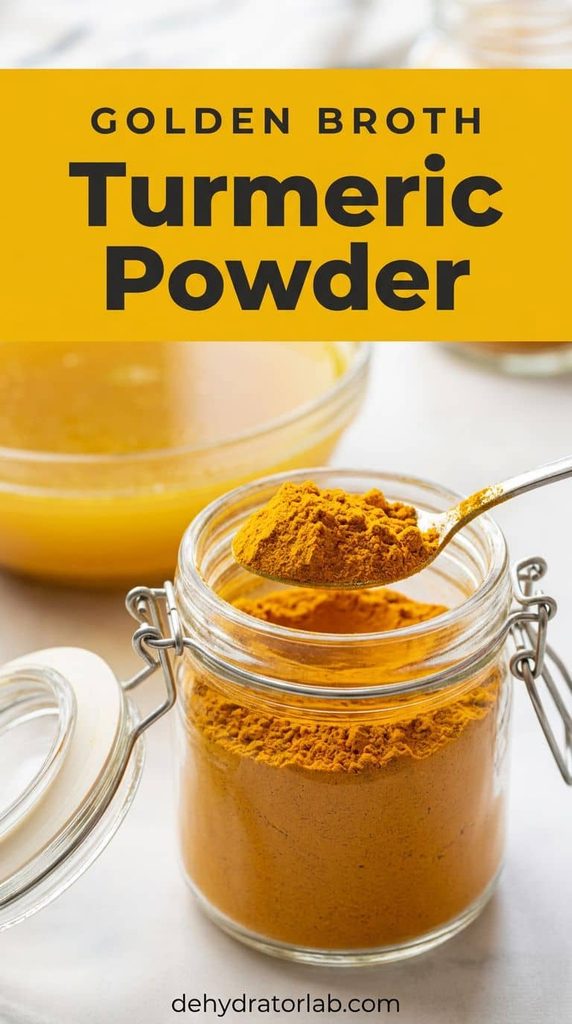
Turmeric is the one on this list that works on your eyes first. A pinch turns a pale, tired-looking broth into something that looks like it’s been simmering with real bones and real intention all day.
My dehydrated turmeric powder guide covers the drying process, which is worth doing yourself since fresh-dried turmeric tastes noticeably more vibrant than most jars from the store. In broth, an eighth of a teaspoon per quart adds warmth and color without turning things bitter or overtly “curry.”
A crack of black pepper added at the same time helps your body actually absorb the turmeric, which is worth doing even if you’re only after the color. Color and warmth, no bitterness.
Personal Tips You Can Steal
I keep every one of these powders in small labeled jars right next to my stove instead of buried in the pantry, since a broth booster you have to go hunting for never actually gets used. I always add mushroom powder first and taste before adding anything else, since it does most of the heavy lifting, and sometimes that’s all a pot needs. To make your own, my mushroom dehydrator picks cover the machines that handle a full tray of slices.
I never add more than three of these to one pot at once – stacking every single one just makes the broth taste muddy instead of complex. I write the dose I used on a sticky note taped to the jar the first few times, since “a pinch” means something different every week until it becomes muscle memory.
Final Thoughts
A flat-tasting broth rarely needs more time on the stove — it needs a better-stocked spice drawer. Build up these seven powders a jar at a time, and you’ll never serve a thin, forgettable pot of broth again.
Related reading: once you’ve got these flavor boosters going, put them to work bulking out a full pot with my soup vegetable guide, or skip straight to a finished jar with my soup mix recipes.
P.S. Mushroom powder is the one I’d grab if a house fire meant I could only save one jar from this list. 🙂