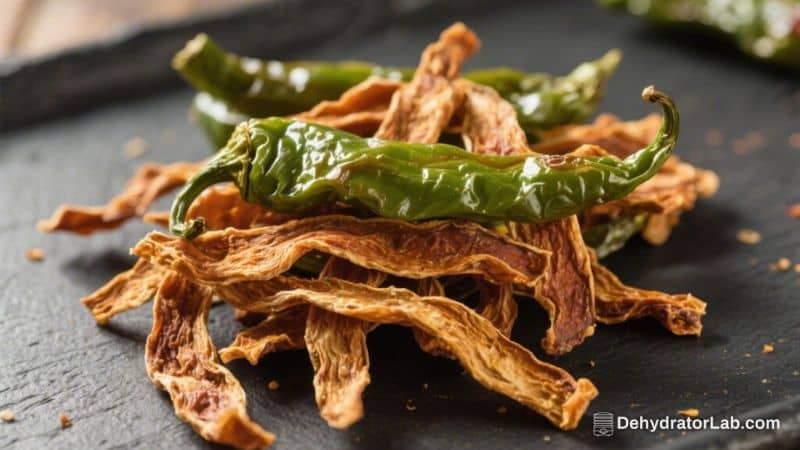
Poblano peppers are mild, earthy, and incredibly versatile. When you dehydrate them into thin strips, they turn into a handy ingredient that adds depth to soups, stews, tacos, and rice dishes. They’re easy to make, store well, and rehydrate in minutes.
If you love keeping smart, flavorful staples on hand, this is a great project. No fancy equipment required—just a dehydrator or a low oven and a little patience.
In this article:
What Makes This Recipe So Good
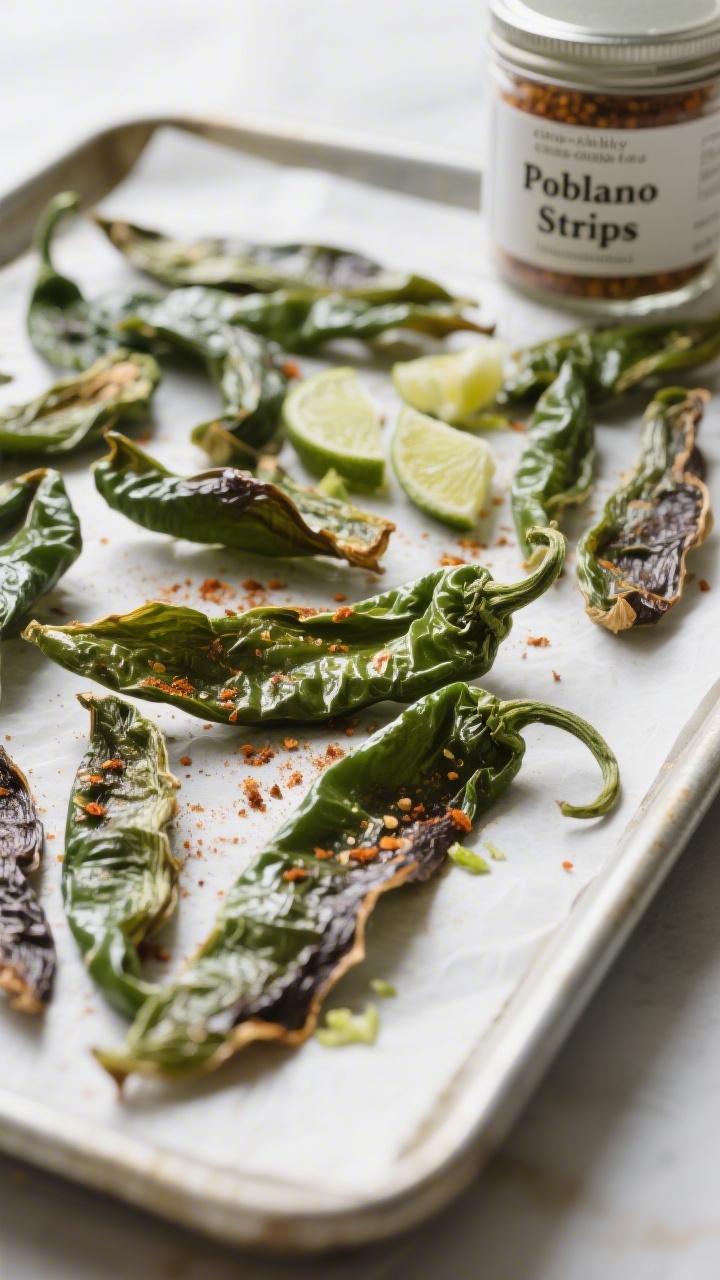
- Big flavor, small effort: Poblanos have a deep, roasted pepper taste that intensifies as they dry.
- Long shelf life: Properly dehydrated strips can last for months, saving you time on busy nights.
- Easy to rehydrate: A quick soak in warm water brings them back to a tender, ready-to-cook texture.
- Customizable heat: Poblanos are mild by nature, but you can keep seeds for a little extra kick or remove them for a gentler taste.
- Budget-friendly: Buy poblanos in season, dry them, and enjoy peak flavor all year long.
TL;DR: Key Takeaways
- 🌡️ Dry at 125°F to 135°F (52°C to 57°C) for 6 to 10 hours, checking at the 6-hour mark.
- 🔪 Slice into even 1/4-inch strips — uneven thickness means some pieces finish chewy, others brittle.
- 🚫 Skip the oil before drying — it traps moisture and can lead to spoilage in storage.
- 🫙 Condition for 5 to 7 days before long-term storage to catch hidden moisture.
What You’ll Need
- Fresh poblano peppers: Choose firm, glossy peppers with deep green skin. Plan on 6–8 medium peppers for one batch.
- Salt (optional): A pinch can enhance flavor, but it’s not necessary for drying.
- Lime juice (optional): Adds brightness before dehydrating.
- Oil (do not use for dehydrating): Save oil for cooking later.
Oil on the peppers can slow or prevent dehydration.
- Equipment: A dehydrator with trays or a baking sheet and oven; a sharp knife; cutting board; paper towels; airtight jars or bags for storage.
Step-by-Step Instructions
- Wash and dry: Rinse the poblanos under cool water and pat them very dry. Any moisture on the surface can slow the process.
- Remove stems and seeds: Slice off the tops, cut the peppers in half lengthwise, and scrape out the seeds and ribs. For a touch more heat, leave a few seeds in.
- Slice into strips: Cut the peppers into even strips about 1/4 inch wide. Consistent thickness helps them dry at the same rate.
- Optional seasoning: Toss the strips lightly with a squeeze of lime and a tiny pinch of salt.
Do not add oil.
- Arrange on trays: Lay the strips in a single layer on dehydrator trays or a parchment-lined baking sheet. Do not overlap.
- Dehydrate (dehydrator method): Set to 125–135°F (52–57°C). Dry for 6–10 hours, checking at the 6-hour mark. Times vary with humidity and slice size.
- Dehydrate (oven method): Set your oven to its lowest temp (ideally 170–200°F / 77–93°C).
Prop the door slightly ajar to let moisture escape. Dry 3–5 hours, flipping halfway, until fully leathery or crisp.
- Test for doneness: Strips should be completely dry—either brittle or very firm and leathery with no moisture when torn. If in doubt, keep drying.
- Cool completely: Let the strips cool to room temperature on the trays.
This prevents condensation inside your container.
- Condition the batch: Place dried strips in a loosely filled jar for 5–7 days, shaking daily. If you see any condensation or clumping, return them to the dehydrator to finish drying.
- Store: Move to airtight jars or vacuum-sealed bags. Label with the date.
Keeping It Fresh
- Air is the enemy: Store in airtight containers to prevent the peppers from reabsorbing moisture.
- Keep it cool and dark: A pantry or cupboard away from heat and sunlight helps preserve flavor and color.
- For longest life: Vacuum sealing or adding an oxygen absorber can extend shelf life up to 12 months or more.
- Check monthly: Look for any signs of moisture, softness, or off smells.
If you find moisture, re-dry immediately.
Why This is Good for You
- Nutrient retention: Low-temp dehydration helps preserve vitamins and antioxidants in poblanos, including vitamin C and carotenoids.
- Low calorie, high flavor: You get a big flavor boost without added fat or sugar.
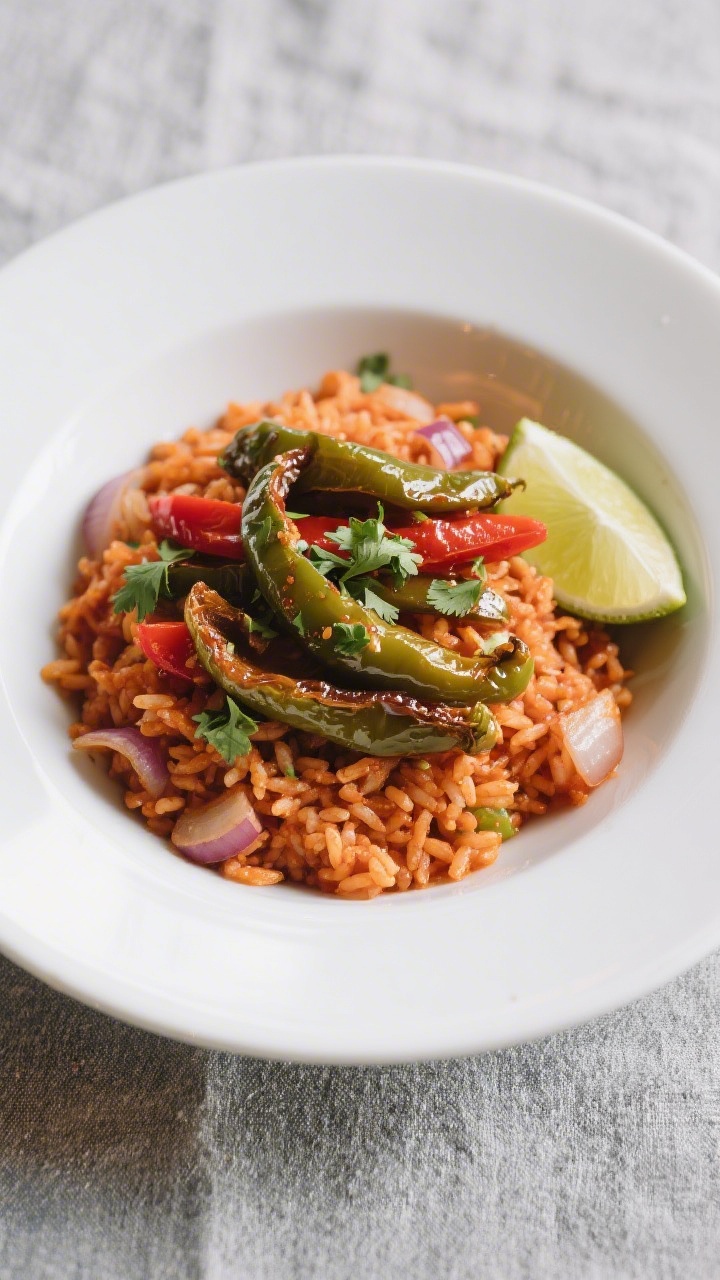
- Fiber bonus: The skins add a little fiber to soups, stews, and rice dishes.
- Less food waste: Drying peppers before they spoil is a smart way to use what you buy.
Common Mistakes to Avoid
- Thick or uneven slices: They’ll dry at different speeds, leaving some pieces chewy and others brittle.
- Adding oil before drying: Oil traps moisture and can lead to spoilage during storage.
- Rushing the process: If the centers aren’t fully dry, mold can develop later. Test several pieces before you stop.
- Skipping the cooling step: Hot strips sealed in a jar can create condensation and ruin the batch.
- Storing near heat: Cabinets above the stove or dishwasher run warm and can shorten shelf life.
Recipe Variations
- Smoky poblano strips: Before dehydrating, toss with a light dusting of smoked paprika. Keep it minimal to avoid clumping.
- Citrus-chile blend: Add a pinch of lime zest and ancho chile powder before drying for a layered, tangy flavor.
- Roasted first: Briefly roast or broil the peppers until lightly blistered, peel if you like, then slice and dehydrate.
This gives a deeper, roasted profile and faster rehydration. Note: peeled strips can be more delicate.
- Chip-style crisp: Dry extra thin strips until very brittle and use as a crunchy garnish for salads and tacos.
- Mixed pepper medley: Combine poblanos with Anaheim or bell peppers for a colorful, mild blend.
FAQ
How do I rehydrate the strips?
Soak in warm water for 10–20 minutes until pliable, then drain and pat dry. For extra flavor, use warm broth.
You can also add them straight to soups and stews—no soaking needed.
Do I need to blanch the peppers first?
No. Poblanos dehydrate well without blanching. Keeping it simple preserves more natural flavor and texture.
Can I use a microwave or air fryer to dehydrate?
An air fryer set to a very low temperature can work, but it may be uneven and fast, risking browning.
A dehydrator or low oven is more reliable. Microwaves are not ideal for dehydration.
How long do dehydrated poblano strips last?
Stored airtight in a cool, dark place, they typically last 6–12 months. Vacuum sealing extends that even further.
Always check for moisture or off smells before using.
What can I cook with them?
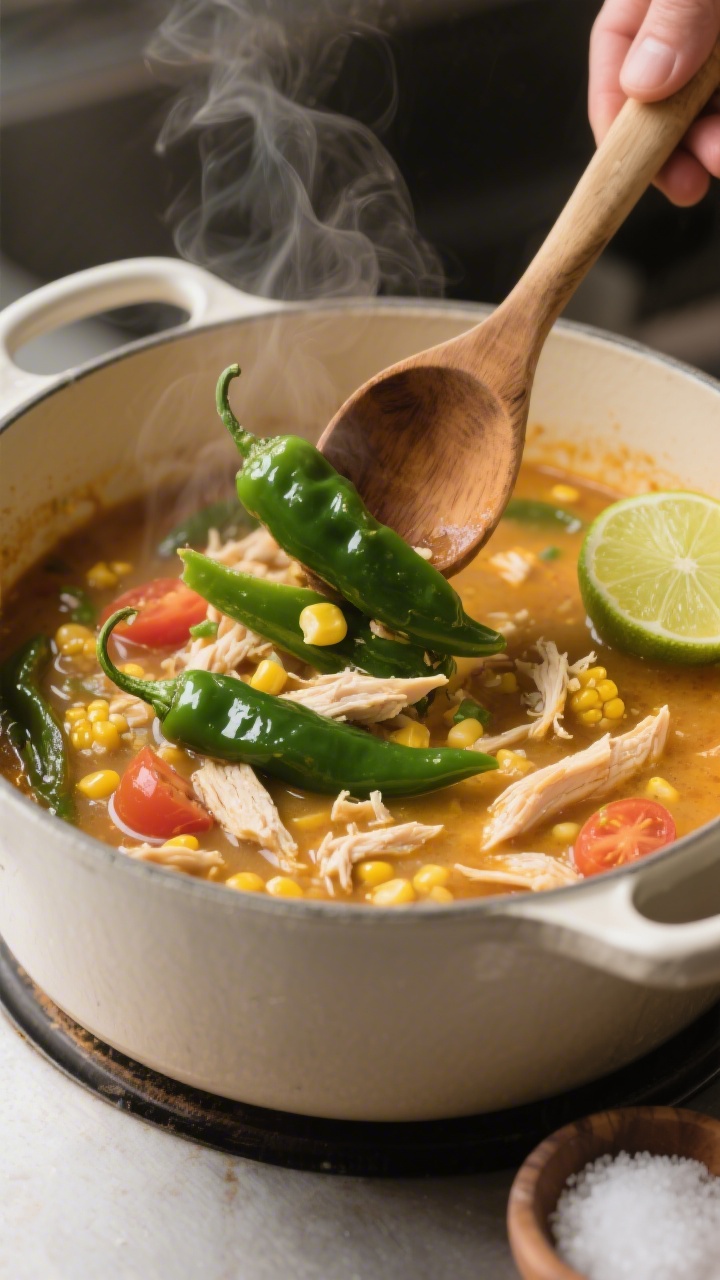
Add to chicken tortilla soup, chili, Spanish rice, scrambled eggs, fajitas, enchilada sauce, or creamy pasta. They bring mild heat and a rich, green pepper flavor.
Can I grind them into powder?
Yes. Once fully dry and brittle, grind into a fine powder for a mild, earthy seasoning.
Store the powder airtight and away from light.
Why are my strips turning brown?
Heat may be too high or airflow too low. Keep temperatures modest and allow moisture to escape. Some browning after roasting is normal and adds smoky flavor.
Are poblanos spicy?
They’re generally mild, with a gentle warmth.
Heat can vary pepper to pepper. Removing seeds and ribs keeps them very mild.
Personal Tips You Can Steal
Roasting the poblanos first (one of the variations above) before slicing and drying is worth the extra ten minutes — it deepens the flavor a lot more than you’d guess, and the peeled strips rehydrate almost instantly in soups. When I’m not roasting, I still leave a few seeds in a portion of the batch, just so I’ve got a milder jar and a slightly spicier one to grab depending on the dish.
Wrapping Up
Dehydrated poblano pepper strips are a simple way to stash rich, green chile flavor in your pantry. With a few peppers and some low heat, you’ll have an ingredient that lifts everyday meals in minutes.
Keep the slices even, dry them fully, and store them airtight. The payoff is big: long shelf life, bold flavor, and endless ways to use them. Once you make a batch, you’ll wonder how you ever cooked without them.
P.S. Grind a handful into powder once you’ve got a big enough stash — it’s a fantastic mild seasoning for scrambled eggs that most people can’t quite place. 🙂
Dehydrated Poblano Pepper Strips – A Simple, Flavor-Packed Pantry Staple
Ingredients
- Fresh poblano peppers: Choose firm, glossy peppers with deep green skin. Plan on 6–8 medium peppers for one batch.
- Salt (optional): A pinch can enhance flavor, but it’s not necessary for drying.
- Lime juice (optional): Adds brightness before dehydrating.
- Oil (do not use for dehydrating): Save oil for cooking later.Oil on the peppers can slow or prevent dehydration.
- Equipment: A dehydrator with trays or a baking sheet and oven; a sharp knife; cutting board; paper towels; airtight jars or bags for storage.
Instructions
- Wash and dry: Rinse the poblanos under cool water and pat them very dry. Any moisture on the surface can slow the process.
- Remove stems and seeds: Slice off the tops, cut the peppers in half lengthwise, and scrape out the seeds and ribs. For a touch more heat, leave a few seeds in.
- Slice into strips: Cut the peppers into even strips about 1/4 inch wide. Consistent thickness helps them dry at the same rate.
- Optional seasoning: Toss the strips lightly with a squeeze of lime and a tiny pinch of salt.Do not add oil.
- Arrange on trays: Lay the strips in a single layer on dehydrator trays or a parchment-lined baking sheet. Do not overlap.
- Dehydrate (dehydrator method): Set to 125–135°F (52–57°C). Dry for 6–10 hours, checking at the 6-hour mark. Times vary with humidity and slice size.
- Dehydrate (oven method): Set your oven to its lowest temp (ideally 170–200°F / 77–93°C).Prop the door slightly ajar to let moisture escape. Dry 3–5 hours, flipping halfway, until fully leathery or crisp.
- Test for doneness: Strips should be completely dry—either brittle or very firm and leathery with no moisture when torn. If in doubt, keep drying.
- Cool completely: Let the strips cool to room temperature on the trays.This prevents condensation inside your container.
- Condition the batch: Place dried strips in a loosely filled jar for 5–7 days, shaking daily. If you see any condensation or clumping, return them to the dehydrator to finish drying.
- Store: Move to airtight jars or vacuum-sealed bags. Label with the date.
Related reading: dehydrated spaghetti squash shreds, dehydrated beef stew backpacking, and dehydrator reviews.
Printable Recipe Card
Want just the essential recipe details without scrolling through the article? Get our printable recipe card with just the ingredients and instructions.