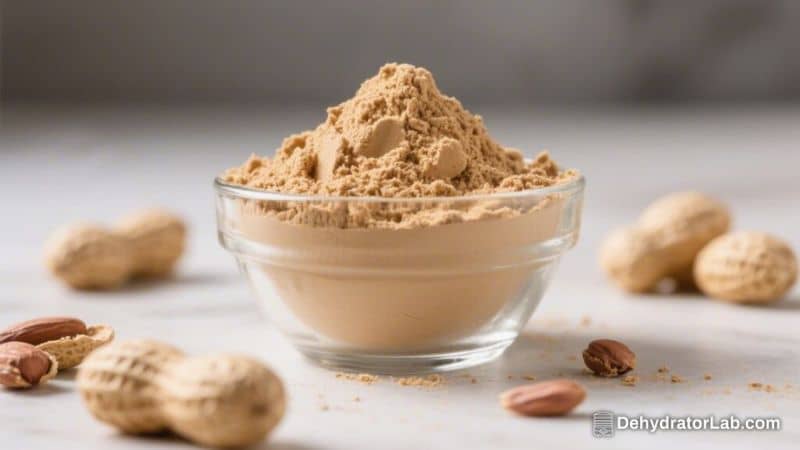
Peanut butter lovers, this one’s for you. Dehydrated peanut butter powder gives you all the nutty flavor you crave without the heavy oils or sticky texture. It mixes into smoothies, batters, sauces, and dressings with zero fuss.
It also stores well, travels easily, and gives you portion control. If you’re looking for a cleaner, lighter peanut butter option that still tastes great, this simple recipe delivers.
In this article:
Why This Recipe Works
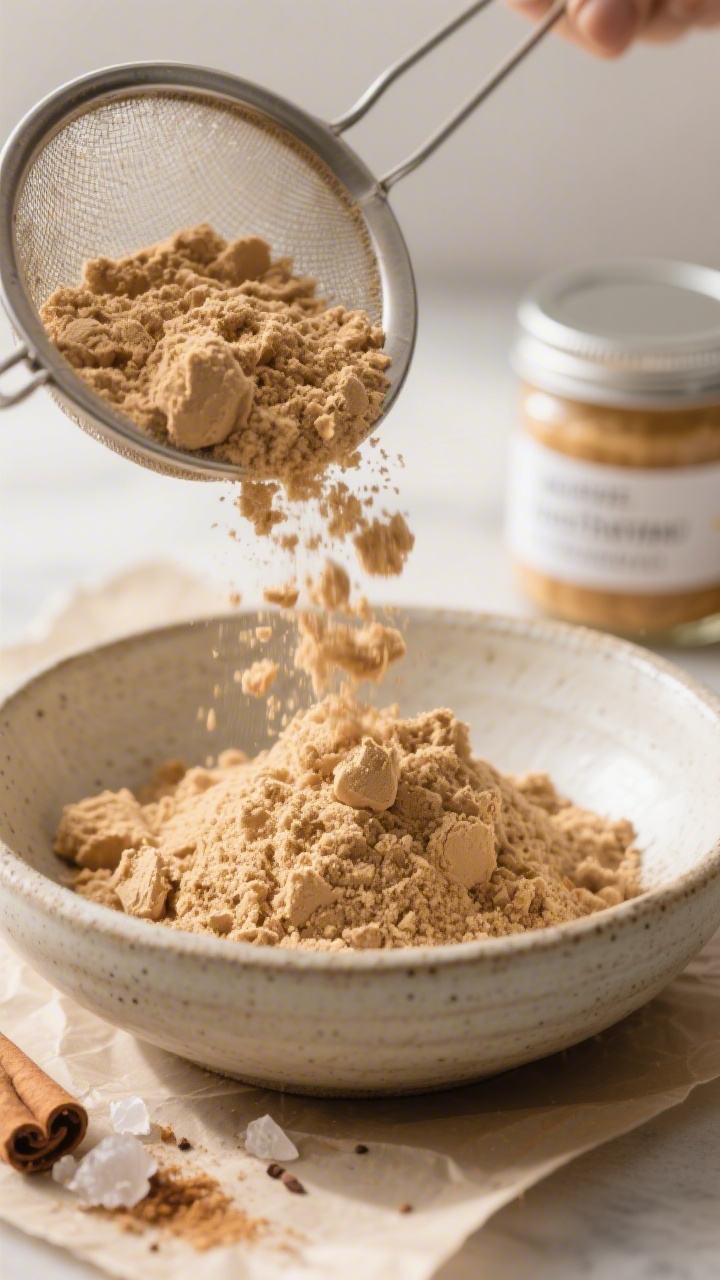
- Less oil, more versatility: Removing most of the fat makes the powder easy to blend into drinks, oatmeal, yogurt, and baked goods without greasiness.
- Bold flavor, clean ingredients: Roasting deepens the peanut flavor. You control the salt and sweetener, if you want any at all.
- Better storage and travel: Powder takes up less space, lasts longer, and won’t leak in your bag like a jar can.
- Simple method: A food processor plus an oven or dehydrator is all you need.
- Budget-friendly: Making your own often costs less than buying specialty peanut powder at the store.
Ingredients
- 2 cups unsalted, roasted peanuts (skins removed if possible)
- 1/8–1/4 teaspoon fine salt (optional, to taste)
- 1–2 teaspoons coconut sugar, brown sugar, or maple sugar (optional)
- Pinch of ground cinnamon or vanilla powder (optional)
How to Make It
- Start with roasted peanuts: If your peanuts are raw, spread them on a baking sheet and roast at 325°F (165°C) for 12–18 minutes, stirring once.
They should be golden and fragrant, not dark. Let them cool completely.
- De-skin if needed: If your peanuts have skins, rub them in a clean kitchen towel to remove most of the skins. This helps the powder taste cleaner and look lighter.
- Grind to a paste: Add the cooled peanuts to a food processor.
Pulse, then run continuously until the peanuts turn into a thick, glossy peanut butter. Scrape the sides as needed. This step helps break cell walls and releases oil for later removal.
- Extract the oil: Line a fine-mesh strainer with cheesecloth or a clean nut-milk bag.
Spoon in the peanut paste. Fold the cloth over and press firmly with a spatula or the back of a spoon to squeeze out as much oil as possible. For extra extraction, place a plate and a heavy can on top and let it sit 30–60 minutes.
The more oil you remove now, the lighter your final powder.
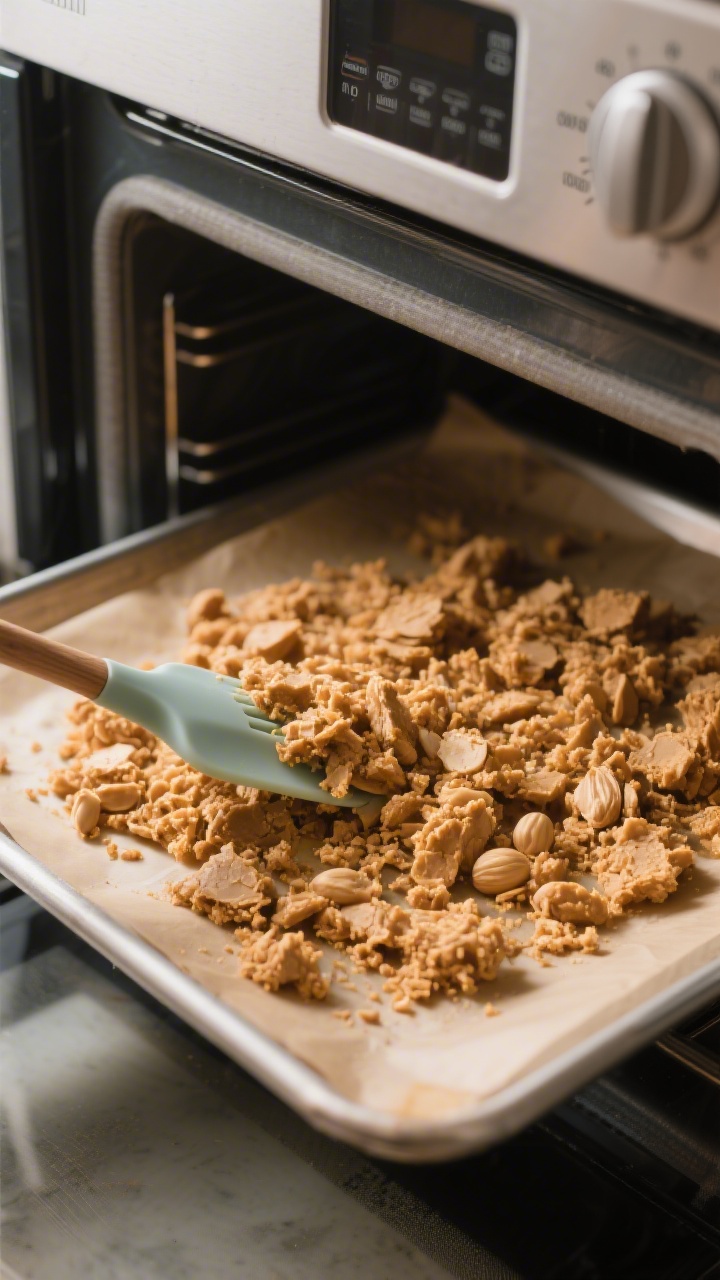
- Dry the defatted paste: Crumble the pressed peanut mass onto a parchment-lined baking sheet. Spread it thin and even. Dry in a low oven at 170–190°F (75–90°C) for 1–2 hours, stirring every 20 minutes, until completely dry and crisp.
If using a dehydrator, set it to 135°F (57°C) for 2–4 hours, checking for dryness.
- Cool fully: Let the dried crumbles cool to room temperature. Coolness is crucial—warm bits will trap steam in your container and shorten shelf life.
- Grind into powder: Transfer the dry crumbles to a clean, dry blender, spice grinder, or food processor. Pulse until you get a fine, even powder. Avoid over-blending to the point of heat buildup, which can re-release oils.
- Season to taste: Stir in salt to brighten the flavor.
Add a light touch of sugar or spices if you like. Keep it subtle so the powder stays versatile.
- Sift for smoothness: For the silkiest texture, pass the powder through a fine sieve. Re-grind any coarse bits.
- Store properly: Transfer to an airtight jar.
Label with the date. See storage tips below.
Keeping It Fresh
- Use airtight containers: Oxygen is the enemy of freshness. Mason jars or vacuum-sealed bags are your best bet.
- Keep it cool and dark: A pantry away from heat and light works.
For longest life, refrigerate or freeze. Properly stored, it lasts 2–3 months in the pantry, 6 months in the fridge, and up to a year in the freezer.
- Avoid moisture: Always use a dry spoon. If the powder clumps or smells off, discard it.
- Portion for convenience: Store in small jars so you open only what you need.
Why This is Good for You
- Protein without the heaviness: You still get peanut protein and flavor, with much less fat per serving.
- Fiber and micronutrients: Peanuts offer fiber, magnesium, potassium, and vitamin E.
- Flexible for goals: Great for smoothies or baking when you want peanut taste without extra oil.
Easy to track for macros.
- Simple ingredient list: No preservatives, no fillers—just peanuts and optional light seasoning.
What Not to Do
- Don’t skip oil extraction: If you don’t press out the oil, you’ll end up with clumpy paste instead of a free-flowing powder.
- Don’t rush drying: Any leftover moisture shortens shelf life and causes clumping or spoilage.
- Don’t store while warm: Trapped steam creates condensation and ruins texture.
- Don’t add liquid flavors: Use dry spices or powders only. Liquids reintroduce moisture and reduce shelf stability.
- Don’t over-salt: A little salt enhances flavor; too much limits how you can use the powder.
Variations You Can Try
- Sweet breakfast blend: Add a teaspoon of coconut sugar and a pinch of cinnamon. Great for oatmeal and yogurt.
- Savory satay style: Mix in a touch of garlic powder, ginger powder, and a pinch of chili.
Perfect for quick sauces.
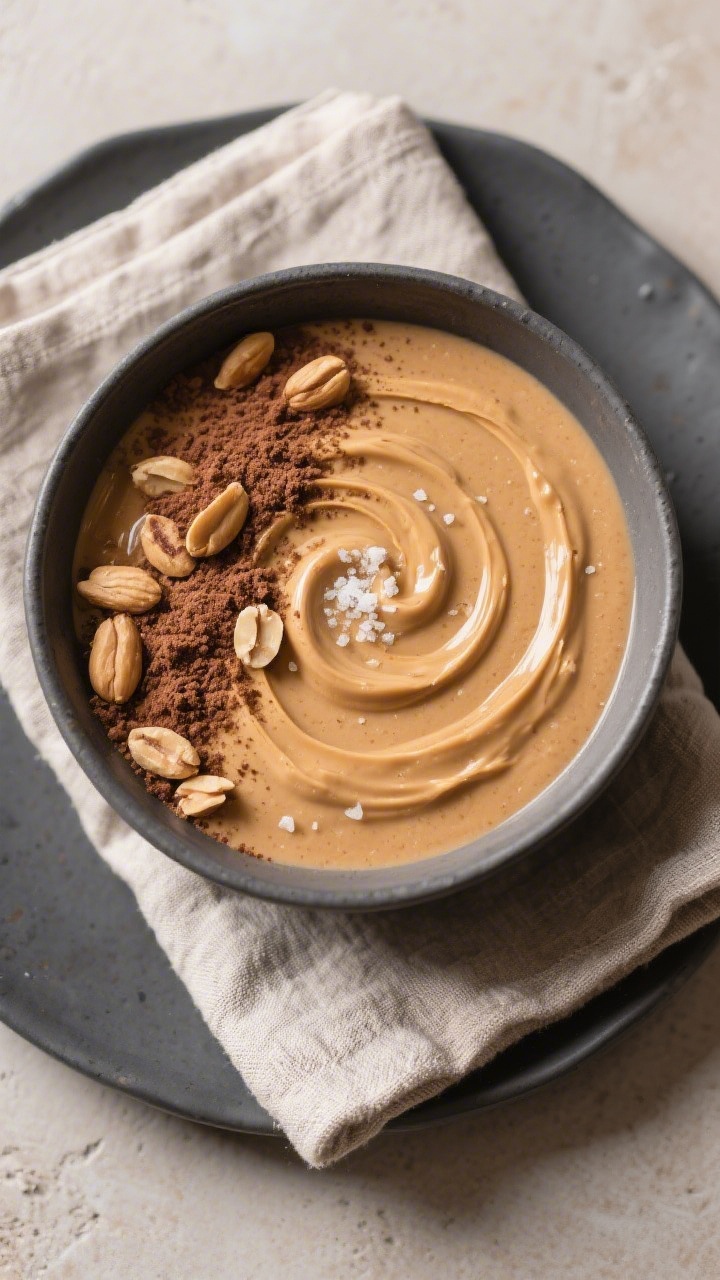
- Chocolate peanut: Stir in unsweetened cocoa powder and a little sugar for smoothies and protein shakes.
- Vanilla latte boost: Add vanilla powder and a pinch of sea salt. Try it in iced coffee or protein coffee.
- Extra-roasty: Roast peanuts a few minutes longer (without burning) for deeper, almost caramel notes.
FAQ
How do I reconstitute peanut butter powder into a spread?
Mix 2 tablespoons powder with 1–1.5 tablespoons water, then adjust to your preferred thickness. For richness, stir in a few drops of neutral oil or a splash of milk.
Can I make this without a dehydrator?
Yes.
A low oven works well. Keep the temperature under 200°F (93°C) and stir occasionally until fully dry and crisp.
What if I only have raw peanuts?
Roast them first. Raw peanuts taste flat in powder form.
Roasting builds the classic peanut flavor and helps with grinding.
Is this the same as powdered peanut butter from the store?
It’s similar. Many commercial versions are also defatted and dried. Yours may taste fresher and you can control salt and sweetener.
How do I use it in baking?
Swap in some powder for flour to add peanut flavor, or whisk it into dry ingredients for cookies, muffins, and pancakes.
Start by replacing 1/4 cup of flour with 1/4 cup peanut powder and adjust liquids slightly if the batter seems thick.
What’s a quick sauce idea?
Whisk 3 tablespoons powder with 2–3 tablespoons warm water, 1 teaspoon soy sauce or tamari, a squeeze of lime, a dash of honey, and a pinch of chili flakes. Thin with more water until pourable.
Does it contain less fat than regular peanut butter?
Yes. Pressing and drying remove much of the oil.
Exact numbers depend on how much oil you extract, but it’s significantly leaner per tablespoon.
Can I use other nuts?
You can. The same method works with almonds or cashews, though flavor and texture will vary. Almonds benefit from slightly longer roasting.
Why is my powder clumping?
Either it wasn’t fully dried, or it absorbed moisture during storage.
Spread it on a sheet and re-dry at low heat, then cool and store airtight with a desiccant pack if possible.
Is it safe for people with peanut allergies?
No. It’s still peanut-based. Avoid it entirely if you have a peanut allergy and keep it separate from other foods to prevent cross-contact.
Final Thoughts
Dehydrated peanut butter powder is a smart, flexible pantry staple.
It gives you big peanut flavor with lighter calories and cleaner mixing, whether you’re making smoothies, sauces, or baked treats. With a simple process and a few basic tools, you’ll have a batch ready to go—and it keeps well, so you can use it anytime. Keep it dry, store it right, and season it how you like.
Once you try it, you’ll find yourself reaching for it all the time.
Dehydrated Peanut Butter Powder – Light, Versatile, and Packed With Flavor
Ingredients
- 2 cups unsalted, roasted peanuts (skins removed if possible)
- 1/8–1/4 teaspoon fine salt (optional, to taste)
- 1–2 teaspoons coconut sugar, brown sugar, or maple sugar (optional)
- Pinch of ground cinnamon or vanilla powder (optional)
Instructions
- Start with roasted peanuts: If your peanuts are raw, spread them on a baking sheet and roast at 325°F (165°C) for 12–18 minutes, stirring once.They should be golden and fragrant, not dark. Let them cool completely.
- De-skin if needed: If your peanuts have skins, rub them in a clean kitchen towel to remove most of the skins. This helps the powder taste cleaner and look lighter.
- Grind to a paste: Add the cooled peanuts to a food processor.Pulse, then run continuously until the peanuts turn into a thick, glossy peanut butter. Scrape the sides as needed. This step helps break cell walls and releases oil for later removal.
- Extract the oil: Line a fine-mesh strainer with cheesecloth or a clean nut-milk bag.Spoon in the peanut paste. Fold the cloth over and press firmly with a spatula or the back of a spoon to squeeze out as much oil as possible. For extra extraction, place a plate and a heavy can on top and let it sit 30–60 minutes.The more oil you remove now, the lighter your final powder.
- Dry the defatted paste: Crumble the pressed peanut mass onto a parchment-lined baking sheet. Spread it thin and even. Dry in a low oven at 170–190°F (75–90°C) for 1–2 hours, stirring every 20 minutes, until completely dry and crisp.If using a dehydrator, set it to 135°F (57°C) for 2–4 hours, checking for dryness.
- Cool fully: Let the dried crumbles cool to room temperature. Coolness is crucial—warm bits will trap steam in your container and shorten shelf life.
- Grind into powder: Transfer the dry crumbles to a clean, dry blender, spice grinder, or food processor. Pulse until you get a fine, even powder. Avoid over-blending to the point of heat buildup, which can re-release oils.
- Season to taste: Stir in salt to brighten the flavor.Add a light touch of sugar or spices if you like. Keep it subtle so the powder stays versatile.
- Sift for smoothness: For the silkiest texture, pass the powder through a fine sieve. Re-grind any coarse bits.
- Store properly: Transfer to an airtight jar.Label with the date. See storage tips below.
Printable Recipe Card
Want just the essential recipe details without scrolling through the article? Get our printable recipe card with just the ingredients and instructions.