The power goes out, your fancy electric dehydrator becomes a glorified paperweight, and you’re standing there with a bushel of tomatoes that need preserving before tomorrow.
Or maybe you’re just tired of watching your electric meter spin like a casino slot machine every time you want to make some dried apple chips.
Either way, welcome to the world of electricity-free food dehydration, where humans managed to preserve food for literally thousands of years before someone decided to plug everything into a wall.
Here’s the thing: dehydrating food without electricity isn’t some primitive survival technique that requires you to live off the grid in a yurt.
You can absolutely do this in your regular backyard, apartment balcony, or even inside your home. I’ve been experimenting with these methods for a while now, and honestly? Some of them work better than my expensive electric gadget ever did.
In this article:
TL;DR: Key Takeaways
- ☀️ Sun drying needs at least 8 hours of direct sunlight, 85–95°F, and humidity below 60% — slice food 1/4 inch thick and expect 2–4 days.
- 🏠 No sun? Air dry indoors instead — good ventilation and low humidity do the job, though it takes weeks instead of days.
- 🔧 A DIY solar dehydrator costs about $20–$50 to build and dries faster than plain sun drying by trapping heat behind clear plexiglass.
- 🚫 Skip high-fat foods like avocados and nuts — the fat won’t evaporate and just goes rancid. Stick to fruits, veggies, and herbs.
Why Ditch The Electric Dehydrator?
Before you think I’ve lost my mind, hear me out. Going electricity-free for food dehydration makes a ton of sense for several reasons.
First off, you’re looking at literally zero energy costs, which is pretty sweet when you’re trying to preserve enough food for the winter. The environmental impact? Also, zero carbon emissions.
The Reliability Factor
But here’s what really sold me: these methods are incredibly reliable when done right. Ever notice how raisins have existed since ancient times, yet electric dehydrators only showed up in the last century?
Yeah, our ancestors weren’t exactly struggling with subpar dried fruit. Plus, once you master these techniques, you’ve got serious bragging rights at dinner parties 🙂
Sun Drying: The OG Method
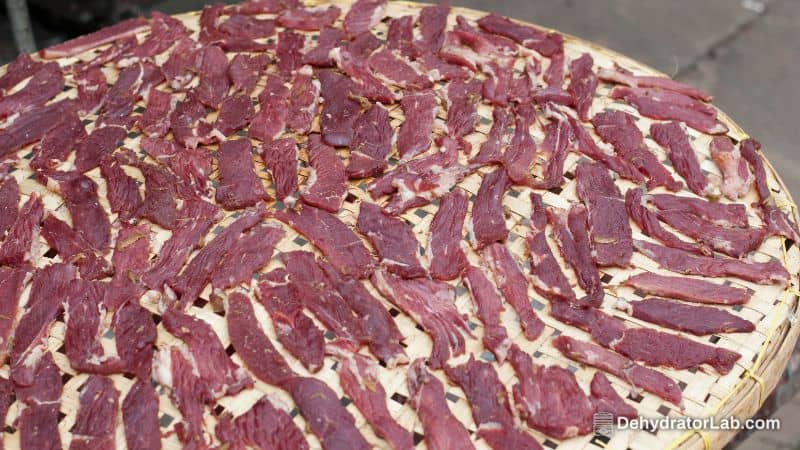
Sun drying is basically the great-grandfather of all food preservation techniques. You lay your food on screens or mesh trays, cover them to keep bugs away, and let the sun do its magic.
Simple? Absolutely. Effective? You bet.
How Sun Drying Works
The science behind it is actually pretty straightforward. When sunlight hits your food, it heats up the moisture inside, causing water molecules to evaporate into the air.
This continues until the moisture content drops to around 10-20%, where bacteria and mold can’t survive. Nature’s own preservation system, and it works beautifully.
What You Need For Sun Drying
You don’t need much to get started with sun drying, which is part of its charm. Mesh screens or wooden trays work perfectly for laying out your food.
I use basic window screens stretched over wooden frames (food-safe screens, obviously). You’ll also want cheesecloth or another fine mesh covering to protect against insects and debris.
Location Requirements
Location matters way more than you’d think. You need at least 8 hours of direct sunlight daily, temperatures around 85-95°F, and humidity below 60%.
If your climate doesn’t cooperate, sun drying becomes more frustrating than trying to fold a fitted sheet. In that case buying an electric dehydrator instead starts cheaper than most people expect, and it ignores the weather entirely.
The Sun Drying Process
Slice your food thin (we’re talking 1/4 inch maximum here) because thicker pieces take forever and might spoil before they dry. Arrange everything in a single layer with space between pieces for air circulation.
Overlapping is your enemy. Flip your food periodically throughout the day.
I usually check mine every few hours and rotate the trays to ensure even drying. The whole process typically takes 2-4 days depending on what you’re drying and your weather conditions.
Knowing When It’s Done
You’ll know it’s done when fruits feel leathery but flexible, and veggies snap when you break them.
Air Drying: The Indoor Alternative
Air drying is perfect when your weather refuses to cooperate or you live somewhere that thinks 8 hours of sunshine is a myth. This method works phenomenally well for herbs, peppers, and certain fruits.
I’ve successfully dried basil, cilantro, mushrooms, and even celery leaves using this technique.
The Secret To Air Drying
The secret? Good ventilation and low humidity. You’re basically creating the perfect environment for moisture to escape while preventing mold growth.
No sun required, just patience and the right conditions.
Setting Up For Air Drying
Find a warm, dry room with excellent air circulation. I use my spare bedroom with a fan running (okay, technically that uses a tiny bit of electricity, but you could open windows instead).
Avoid anywhere with high humidity, like bathrooms or basements, unless they’re specifically climate-controlled.
Techniques For Different Foods
For herbs, you can simply tie them in small bundles and hang them upside down. I string mine from a drying rack I rigged up with some twine.
For fruits and vegetables, use the same screen method as sun drying, just keep them indoors. The drying time is longer (think weeks instead of days), but it works.
Solar Dehydrators: The Best Of Both Worlds
IMO, solar dehydrators are where the magic really happens. These bad boys look like little greenhouses and use concentrated solar energy to speed up the drying process.
You get the benefits of sun power without the hassle of dealing with weather, bugs, or nosy neighborhood wildlife.
How Solar Dehydrators Work
The design is actually pretty clever. Air heats up in a solar collector, rises into the drying chamber where your food sits on screens, collects moisture, then exits through vents.
It’s a self-contained system that works faster and more efficiently than simple sun drying.
Building Your Own Solar Dehydrator
Building your own solar dehydrator isn’t rocket science, and you can do it for around $20-50 if you’re resourceful. The basic setup includes a wooden frame, clear plastic or plexiglass for the solar collector, food-safe screens for trays, and some black paint.
The black paint absorbs heat while the clear covering creates a greenhouse effect.
Positioning Your Dehydrator
You’ll want your solar collector facing south (if you’re in the Northern Hemisphere) to maximize sun exposure. Make sure you’ve got proper ventilation at the top and bottom to allow moisture to escape.
I’ve seen designs ranging from super simple box styles to elaborate 8-foot-tall community models. Start small and scale up if you like it.
What Foods Work Best?
Not all foods are created equal when it comes to electricity-free dehydration. Low-fat, low-moisture foods are your best friends here.
Fruits like apples, pears, grapes, strawberries, and peaches dry beautifully. Vegetables such as tomatoes, peppers, mushrooms, and zucchini also work great.
Foods To Avoid
Avoid high-fat foods like avocados, nuts, and olives because fats don’t evaporate. They’ll just sit there getting rancid, which is gross.
Also, skip dairy, eggs, and fatty meats for safety reasons. Save those for methods that involve refrigeration or canning.
Herbs Are Your Easy Win
Herbs are stupidly easy to dehydrate without electricity. Seriously, if you’ve never done this before, start here.
Basil, oregano, thyme, rosemary, cilantro, and parsley all dry quickly and maintain their flavor incredibly well. Just wash them, pat them dry, and either hang them in bundles or spread them on screens.
Why Herbs Are Perfect
I keep a constant rotation of herbs drying in my kitchen because they’re so convenient. Dried herbs last for months and taste way better than anything you’ll buy at the store.
Plus, you’ll feel ridiculously accomplished every time you crumble some into your cooking.
Preparation Makes Perfect
Proper prep work determines whether your dehydrated food turns out amazing or becomes compost. Start with the freshest, highest-quality produce you can find.
Bruised or overripe food won’t magically improve during drying.
Basic Preparation Steps
Wash everything thoroughly and remove any damaged portions. Then comes the crucial part: slice consistently thin.
I cannot stress this enough. Inconsistent thickness means inconsistent drying, which means some pieces finish while others are still wet.
Use a mandoline if you’ve got one, or practice your knife skills.
Pre-Treatment Options
Some foods benefit from pre-treatment before drying. Apples and bananas, for example, turn brown quickly when exposed to air.
A quick dip in lemon juice or citric acid solution prevents this discoloration. It’s not mandatory, but it makes your final product look way more appetizing.
Blanching Vegetables
Blanching certain vegetables before drying helps maintain color and reduces drying time. I usually blanch things like green beans, broccoli, and carrots for a minute or two.
Personal preference, though.
Storage: Don’t Mess This Up
You can execute perfect dehydration and still ruin everything with terrible storage. Airtight containers are non-negotiable.
I use mason jars, vacuum-sealed bags, or Mylar bags with oxygen absorbers. Whatever you choose, make sure moisture can’t sneak back in.
Best Storage Conditions
Store your containers in a cool, dark, dry location. Pantries and cupboards work perfectly.
Avoid anywhere that experiences temperature fluctuations or direct sunlight. Properly dried and stored food can last months or even years.
How To Tell If It’s Actually Done
This trips people up constantly. Fruits should feel leathery and flexible, not sticky or wet.
Vegetables should be brittle and crisp enough to snap when bent. Herbs should crumble easily between your fingers.
The Golden Rule
When in doubt, dry it longer. Slightly over-dried food is way better than under-dried food that grows mold in storage.
You can always rehydrate things if needed, but you can’t un-mold something (well, you can, but you probably shouldn’t eat it).
Real Talk: Challenges You’ll Face
Weather dependency is the biggest pain with these methods. You can’t exactly sun-dry when it’s been raining for three days straight.
Planning around weather forecasts is an integral part of the process. I’ve learned to check the extended forecast before starting any major drying projects.
Time Considerations
Drying time is significantly longer without electricity. Your electric dehydrator finishes in 6-10 hours, while natural methods take days or weeks.
Patience becomes your best friend. But hey, your ancestors managed, and you can too.
Pest Protection Matters
Bugs, birds, and curious animals think your dried food looks delicious. Can’t blame them, honestly.
Always use protective coverings, such as cheesecloth or second screens. For solar dehydrators, the enclosed design handles this automatically.
Air drying indoors eliminates outdoor pests, though you might want to watch for pantry moths.
The Learning Curve Is Worth It
I’ll be straight with you: your first attempts might not be Instagram-worthy. You’ll probably over-dry some things, under-dry others, and wonder why you bothered.
But each batch teaches you something new about moisture content, timing, and preparation.
The Payoff
The payoff comes when you’re munching on perfectly dried mango slices in February that you preserved in August. Or when the power goes out and you’ve still got a fully stocked pantry because you didn’t rely on refrigeration.
These skills have value beyond just saving money on electricity.
Personal Tips You Can Steal
I check the extended forecast before starting any big sun-drying batch — not just tomorrow’s weather, the full 5-day outlook. One surprise rain shower on day two of a three-day dry can undo everything, so I’d rather wait an extra day for a clean stretch than rescue half-dried tomatoes off a screen in a panic. For herbs, I hang bundles small — no more than a finger’s width of stems per bunch — because thick bundles trap moisture in the center and mold before the outside even looks dry.
Final Thoughts
Dehydrating food without electricity connects you to thousands of years of human food preservation knowledge. It’s sustainable, cost-effective, and honestly pretty satisfying.
Whether you choose sun drying, air drying, or invest time in building a solar dehydrator, you’re developing genuine self-sufficiency.
Plus, the next time someone brags about their fancy kitchen gadgets, you can casually mention you preserve food using the same power source that’s been around for 4.6 billion years. That tends to end conversations pretty quickly :/
P.S. Check the 5-day forecast before starting a big sun-drying batch, not just tomorrow’s — one surprise shower on day two can undo the whole thing 🙂