
Store-bought condiments do the job. Homemade ones, built around your dehydrator, do more than the job — they taste like something you actually made, not something that came off a shelf.

This roundup covers real ground: fermented hot sauce, a kimchi-spiked mayo, a smoky BBQ sauce, and a few condiments most home cooks never try making themselves. Every one of them either starts with something you dried yourself or leans on a dehydrated pantry staple to get there faster.
Your fridge door is about to get a serious upgrade.
In this article:
TL;DR: Key Takeaways
- 🌶️ Two full hot sauce recipes — one fermented, one quick and cooked
- 🥬 Kimchi shows up two ways: a creamy mayo and a dry grilling rub
- 🍖 A smoky BBQ sauce that leans on dehydrated tomato and mushroom powder for depth
- 🌿 Chimichurri and harissa cover the herb-forward and chili-forward ends of the spectrum
- 🥒 A chow-chow relish gives your dehydrated cabbage stash somewhere new to go
- ⏱️ Most of these keep 2-4 weeks in the fridge, no canning required
These are full recipes, not shortcuts — grab a jar and let’s get into it.
1. Classic Fermented Hot Sauce
Fermented hot sauce is a different animal from the cooked kind — it’s tangier, funkier, and it develops real depth over a couple of weeks instead of a couple of minutes. Blend fresh chilies, garlic, and a saltwater brine, then let the jar sit at room temperature, burping it daily.
Once the fermentation slows down (5-10 days depending on your kitchen’s temperature), blend the whole thing smooth with a splash of vinegar and strain if you want it pourable. On a night when fresh chilies aren’t in season, a few tablespoons of dehydrated hot sauce flakes rehydrated in warm water make a solid stand-in base.
- Use a 2-3% salt brine by weight — enough to suppress bad bacteria, not enough to kill the good ones
- Keep everything submerged under the brine to avoid mold — a small weight or a folded cabbage leaf works
- Taste daily after day 5 and bottle it the moment it hits your flavor sweet spot
Follow basic fermentation food safety guidelines from the National Center for Home Food Preservation, and this one will outlast anything from a bottle in complexity – not just heat.

2. Sweet Chili-Garlic Hot Sauce
No fermentation, no waiting — this one’s ready the same afternoon. Simmer chopped red chilies, garlic, sugar, and rice vinegar until it thickens into something between a hot sauce and a glaze.
Blend it smooth or leave it chunky, depending on whether you want a pourable sauce or a spoonable one. A pinch of dehydrated bell pepper powder stirred in at the end rounds out the sweetness without diluting the heat.
This is the sauce that turns into a glaze on grilled chicken, a dip for spring rolls, and a drizzle over fried rice — one jar, three different jobs.

3. Kimchi Mayo
This is the condiment that makes people ask what’s in your sandwich. Whisk a spoonful of dehydrated kimchi flakes into good mayonnaise with a splash of rice vinegar and a few drops of sesame oil, and let it sit in the fridge for at least an hour so the flakes soften and bloom their flavor into the mayo.
It comes out pale pink, funky, and a little sweet — closer to a spicy aioli than anything from a squeeze bottle. Spread it on a burger, dollop it on roasted potatoes, or use it as a dip for crispy fries.
It keeps about a week in the fridge, and it disappears faster than that, straight from the spoon.

4. Kimchi-Spiced Grilling Rub
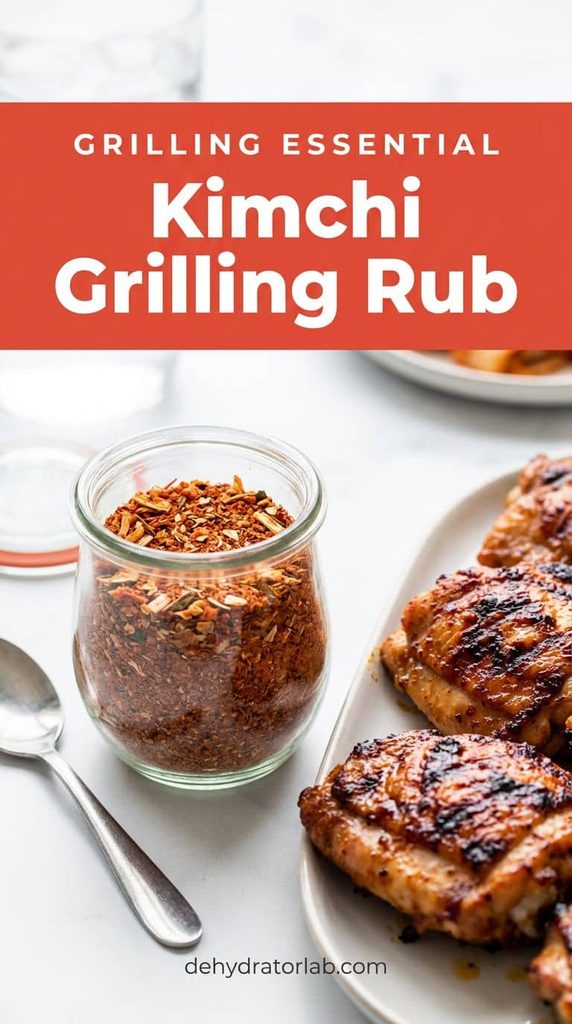
Kimchi’s flavor — funky, spicy, a little sweet — translates surprisingly well into a dry rub. Grind dehydrated kimchi flakes finer with a spice grinder, then mix with brown sugar, smoked paprika, and garlic powder.
Press it onto chicken thighs, pork chops, or thick slices of tofu before grilling — the sugar caramelizes into a sticky, spicy crust while the kimchi flavor works its way into the meat. It’s an easy way to build one of your own dehydrated seasoning blends around a single bold ingredient instead of a dozen.
Store it in a jar by the stove — it’s the rub you reach for when dinner needs more personality.
5. Smoky Chipotle BBQ Sauce
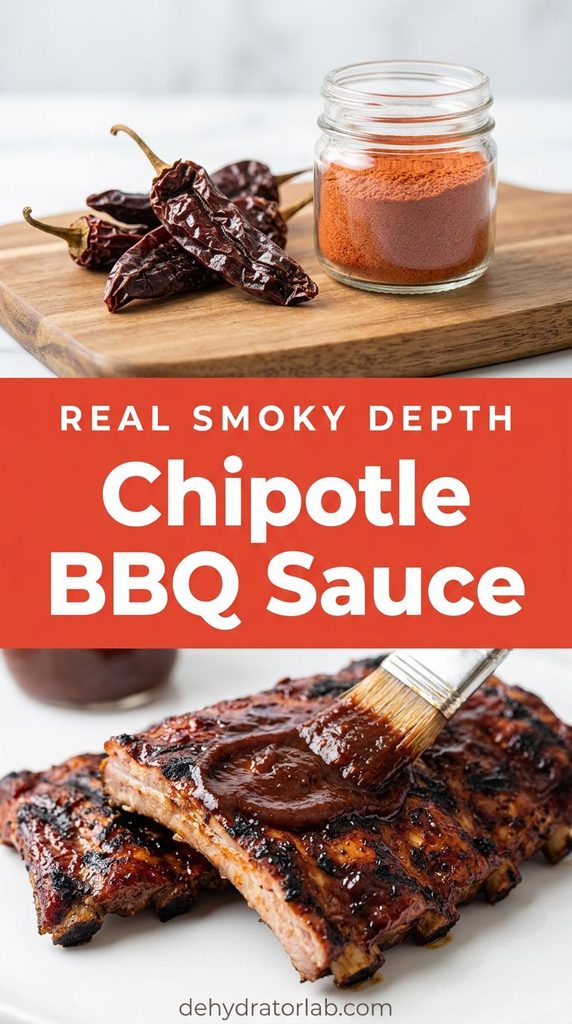
Most bottled BBQ sauces lean hard on sugar and liquid smoke. This one gets its depth from real dried chipotle and a pinch of dehydrated tomato and mushroom powder — the umami base does more work than any bottled smoke flavor ever could.
Simmer ketchup, tomato powder, and a pinch of dehydrated mushroom powder with vinegar, brown sugar, and rehydrated chipotle until it thickens. Fifteen minutes on the stove and you’ve got a sauce with real backbone.
- Rehydrate whole dried chipotles in hot water for 15 minutes before blending — skip the seeds for less heat
- Simmer low and slow so the sugars don’t scorch on the bottom of the pan
- Brush it on in the last 10 minutes of grilling for a real caramelized glaze
It keeps in the fridge for about three weeks, and it’s worth doubling the batch the first time you make it.
6. Herb Chimichurri
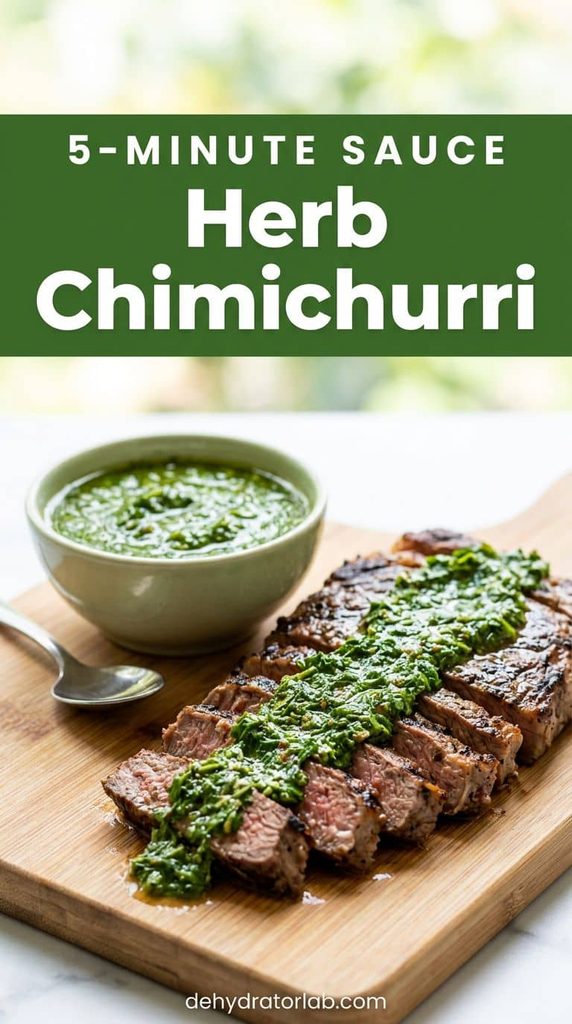
Chimichurri is one of the fastest condiments in this whole list — chop, mix, done. Combine finely chopped parsley, oregano, garlic, red wine vinegar, and olive oil with red pepper flakes for a little bite.
Stirring in a teaspoon of one of your homemade dehydrated herb blends deepens the herb flavor without watering down the sauce with more fresh leaves than you need. Let it sit for at least 20 minutes before serving so the flavors marry.
Spoon it over grilled steak, roasted vegetables, or a simple piece of fish — it turns anything plain into something with real green punch.
7. Harissa Paste
Harissa is the condiment that makes eggs, roasted vegetables, and grain bowls interesting again. Rehydrate dried red chilies in hot water, then blend them with garlic, cumin, caraway, and a pinch of dehydrated shallot powder for a sweeter, more rounded base than raw shallot gives.
Blend it into a thick paste with olive oil, and store it under a thin layer of oil in the fridge to keep it fresh longer. It’s concentrated, so a spoonful goes a long way in soup, marinade, or a simple drizzle over hummus.
Once you make a jar, you’ll find a reason to use it in something every single week.

8. Chow-Chow Relish
Chow-Chow is the Southern relish that never quite got the fame it deserves — a tangy, slightly sweet mix of chopped cabbage, peppers, and onion in a vinegar brine. If you’ve already got a batch of dehydrated cabbage on hand, rehydrating it here saves the chopping step entirely.
Simmer the rehydrated cabbage with chopped bell pepper, onion, vinegar, sugar, and mustard seed until the vegetables soften but still have a little crunch left. Pack it into jars once it cools.
Spoon it onto hot dogs, black-eyed peas, or a plate of fried fish — it’s the relish your grandmother’s generation knew and yours probably forgot about.

Personal Tips You Can Steal
I keep a running list on the fridge of which condiment needs refilling, because I always forget until the jar’s empty at the worst possible moment.
I make double batches of anything that starts with rehydrating dried peppers, since the rehydration step is the slow part and the rest goes fast either way. I taste as I go on every sauce in this list – heat and salt both creep up fast, and it’s easier to add than to fix.
I keep my fermented hot sauce in a jar with a fermentation lid the first week, then switch to a regular lid once it’s in the fridge. And I always label the jar with the date, because future you will thank present you for knowing exactly how long that harissa’s been sitting there.
Final Thoughts
Homemade condiments aren’t harder than store-bought ones — they’re just a little slower, and the payoff is a fridge full of things that taste as if they came from somewhere with a lot more effort than they actually took. Pick whichever one solves tonight’s dinner problem and go from there.
Related reading: for more ways to put your dehydrator to work on the savory side, check out 9 Dehydrated Seasoning Recipes Better Than Anything at the Store and 8 Homemade Vegetable Powder Recipes to Stock Your Pantry.
P.S. Once you start making your own condiments, the bottled versions start to feel like a downgrade. Happy dehydrating!