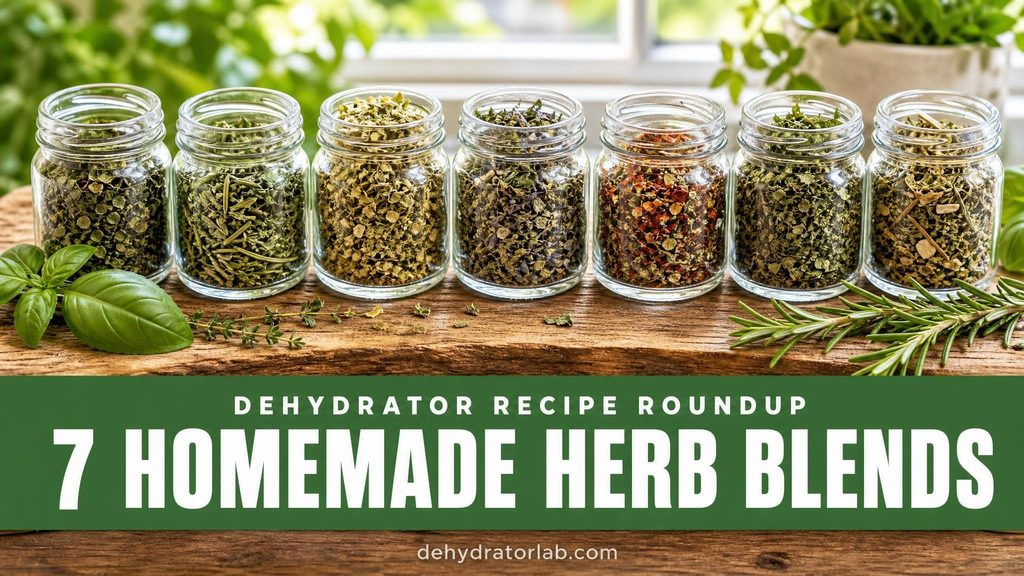
Check the price on a little jar of “Italian seasoning” next time you’re at the store, then check how much of it is actually herb versus anti-caking filler. Now compare that to a handful of dried leaves from your own garden or the produce aisle, run through a dehydrator for a few hours.
Herb blends are one of the fastest wins your dehydrator can hand you — no slicing, no fussing over uniform thickness, just leaves spread thin and left alone. Let’s fill your spice rack for pennies.
As an Amazon Associate, I earn from qualifying purchases. If you make a purchase after clicking on a link I may earn a small commission at no extra cost to you if items are purchased.
In this article:
TL;DR: Key Takeaways
- 🌿 Classic Italian blend turns any jar sauce into something you made yourself
- 💜 Herbes de Provence brings a French roasting blend to your spice rack
- 🍳 Fines herbes is the delicate French mix built for eggs and fish
- 🦃 Poultry seasoning is ready before you even preheat the oven
- 🍋 Greek herb blend adds bright, tangy flavor to salads and grilled meat
- 🥗 Ranch-style blend turns into a dip or dressing in under a minute
- 🧂 Rosemary garlic sea salt is the steakhouse finishing touch you’re missing
Before you start: every blend below follows the same base method. Spread individual herbs in a single layer with no overlap and dry at 95–115°F (35–46°C), pushing toward 125°F (52°C) if you’re in a humid climate — the National Center for Home Food Preservation’s guidance confirms this range works across nearly every culinary herb.
They’re done when leaves crumble and stems snap instead of bend. Strip the leaves from the stems, crumble by hand or pulse briefly in a dedicated spice grinder, then mix and store in airtight glass jars away from light. One more thing worth knowing: dried herbs run 3 to 4 times stronger than fresh, so start with about a third of what a recipe calls for and adjust from there. And if your machine will not hold that 95–115°F range, the machines I recommend for herbs all do.
1. Classic Italian Herb Blend
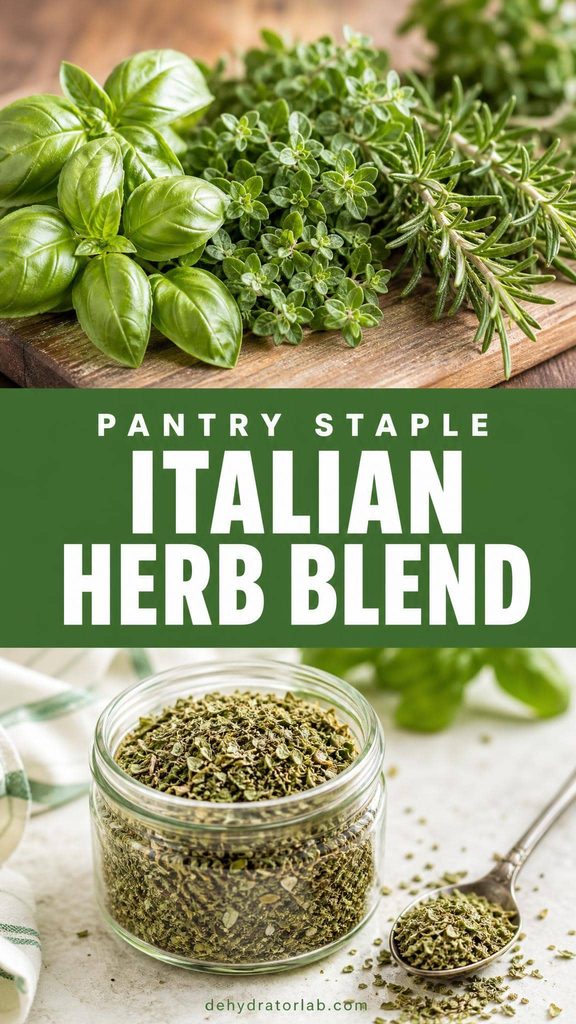
Basil, oregano, thyme, rosemary, and marjoram, dried separately and mixed in roughly equal parts. This is the one you’ll reach for the most — it goes in everything from a jar of marinara to a plain olive oil dip for bread.
Basil and marjoram dry fastest since their leaves are thinnest, so pull them off the trays first and let the woodier rosemary and thyme keep going. A spoonful stirred into my dehydrated pasta sauce turns a pantry staple into something that tastes like it simmered all afternoon.
- Dries in 2–4 hours per herb depending on leaf thickness
- Works in sauces, dressings, and as a dry rub for chicken or fish
- Doubles as a gift jar — the blend everyone actually uses
2. Herbes de Provence
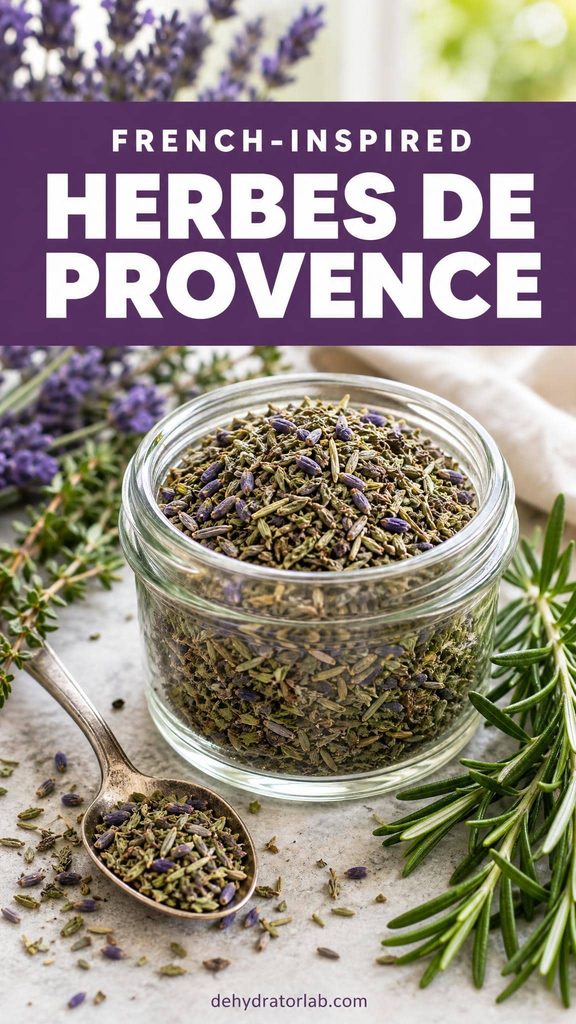
Thyme, rosemary, savory, and marjoram, with a small pinch of dried lavender buds if you can get your hands on them. This is the blend French cooks reach for on roasted vegetables and grilled meat, and it’s more floral and woodsy than the Italian mix.
Savory is the one most home dehydrators skip because it’s less common in grocery stores, but it’s worth tracking down — it’s peppery in a way none of the other herbs here replicate. Go light on the lavender; too much and the blend tastes like soap instead of a French farmhouse kitchen. A little goes further than you’d think.
3. Fines Herbes
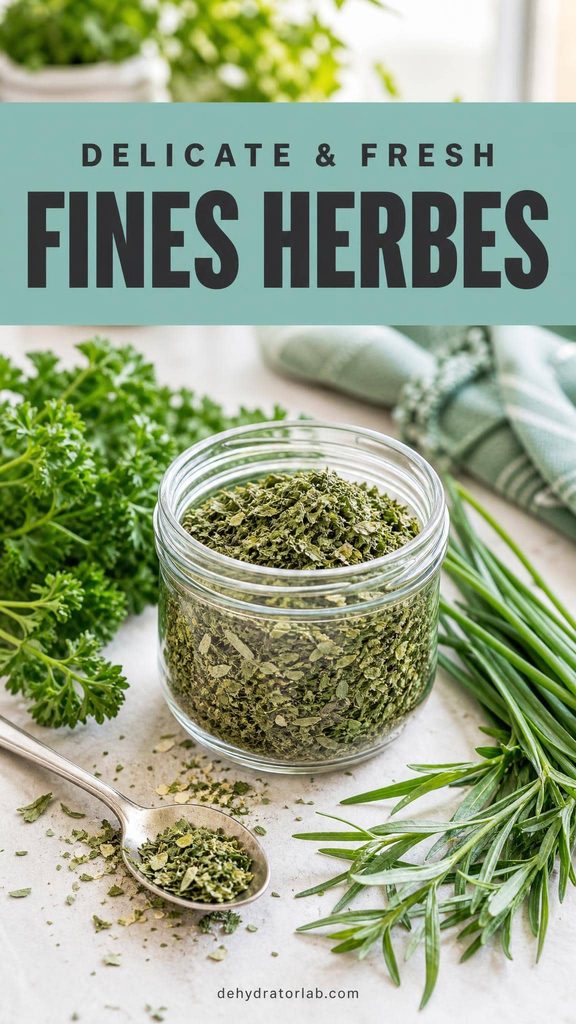
Parsley, chives, tarragon, and chervil in equal parts — the classic French mix built for eggs, not for long cooking. This one’s delicate on purpose, and it loses its edge fast if you cook it too hard.
Dry these four on the lower end of your temperature range, since tarragon and chervil scorch easier than sturdier herbs like rosemary. Stir the finished blend into an omelet right at the end, or whisk it into a pan sauce off the heat. Add it last, not first.
4. Poultry Seasoning Blend
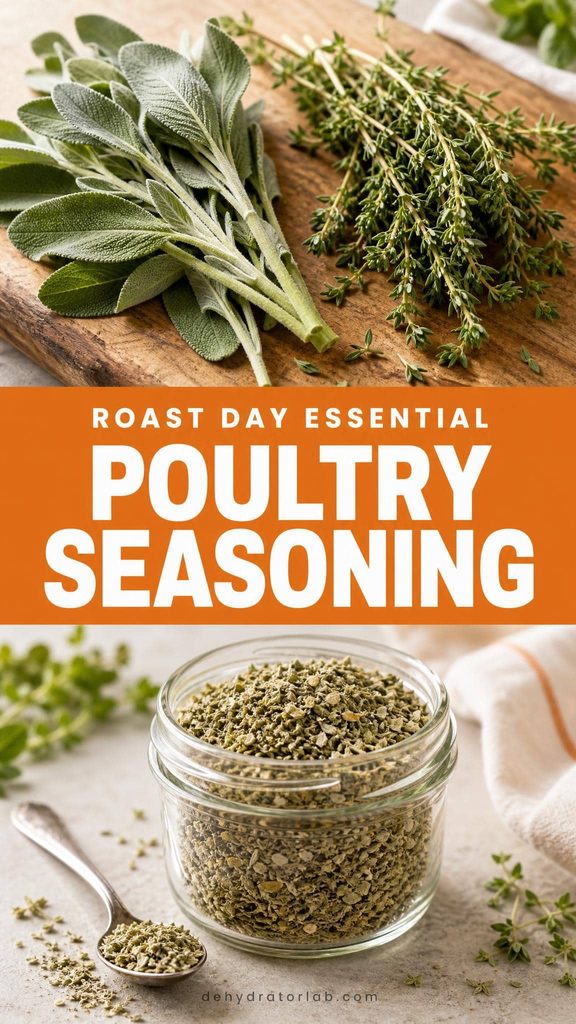
Sage, thyme, rosemary, marjoram, and a crack of black pepper — this is the smell that means the holidays at my house. It’s built for chicken and turkey, but don’t stop there.
Sage dries slower than it looks like it should, since the leaves are thick and a little fuzzy — give it extra time and check for that papery, crumbly texture before you call it done. Rub it under the skin of a roast chicken before it goes in the oven, or stir a spoonful into stuffing. Your kitchen will smell like a holiday before you’ve done any real cooking.
5. Greek Herb Blend
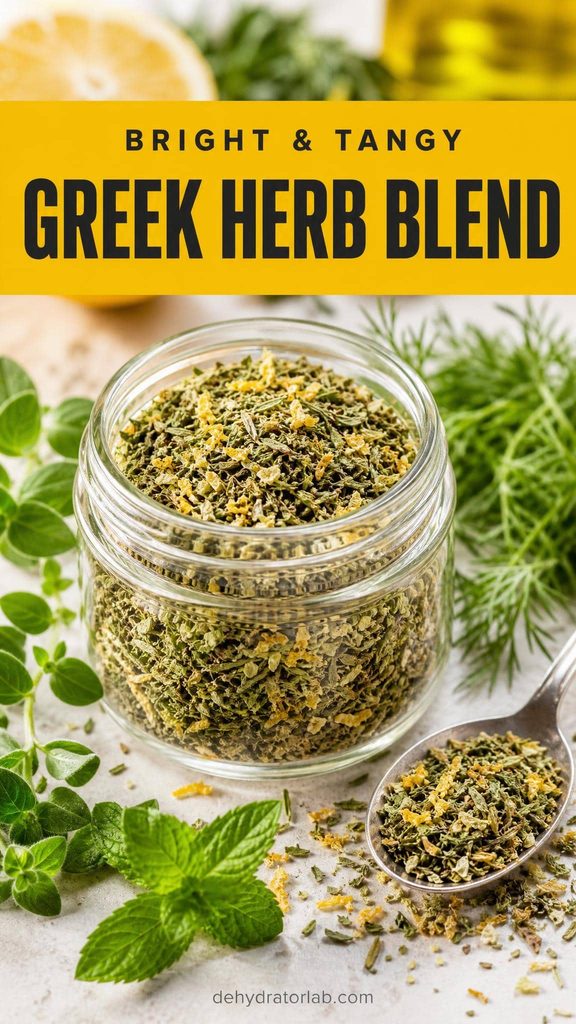
Oregano, mint, dill, and a bit of dried lemon zest — bright, tangy, and a little unexpected next to the woodsier blends on this list. It’s built for the foods that show up on a Greek table: grilled meat, salads, yogurt-based dips.
Fresh oregano loses a surprising amount of its punch when dried, so use slightly more than you think you need. My dehydrated lemon zest is the easiest part of this blend to prep ahead, since it keeps for months and you can portion it out as needed.
- Stir into plain yogurt for an instant tzatziki base
- Rub onto chicken or lamb skewers before grilling
- Toss with olive oil and feta for a quick salad — ready in the time it takes to chop cucumber
6. Ranch-Style Herb & Buttermilk Blend
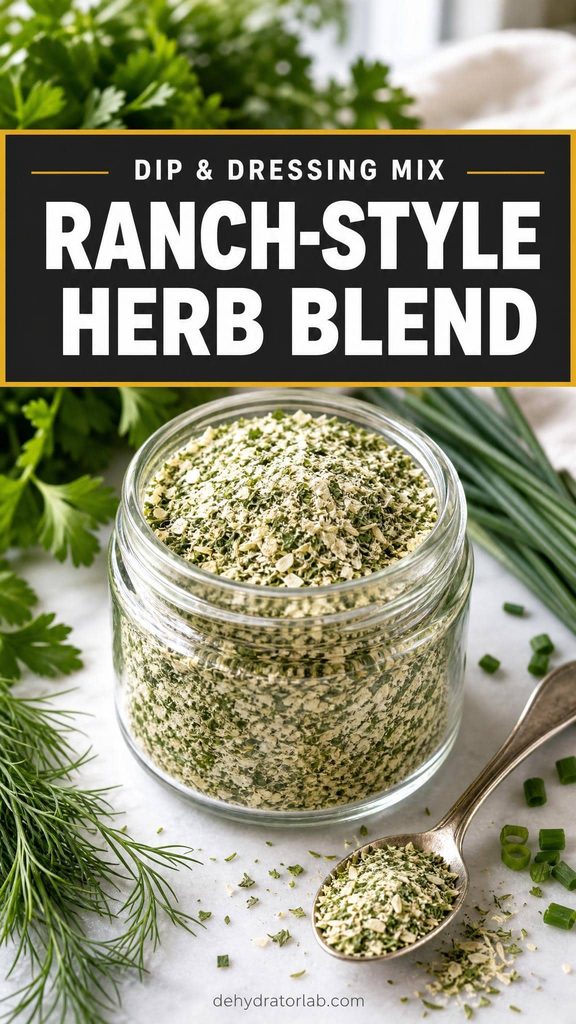
Dill, parsley, chives, garlic powder, and onion powder, plus a spoonful of buttermilk powder if you can find it. Whisk this into sour cream or mayo and you’ve got dip or dressing without the packet from the store.
My guide to dehydrating dill covers the exact texture you’re aiming for before it goes into this blend — dill dries fast and turns dusty if you let it go too long. No buttermilk powder on hand? Skip it; the herbs alone still make a solid ranch base. Better than anything from a foil packet.
7. Rosemary Garlic Sea Salt Blend
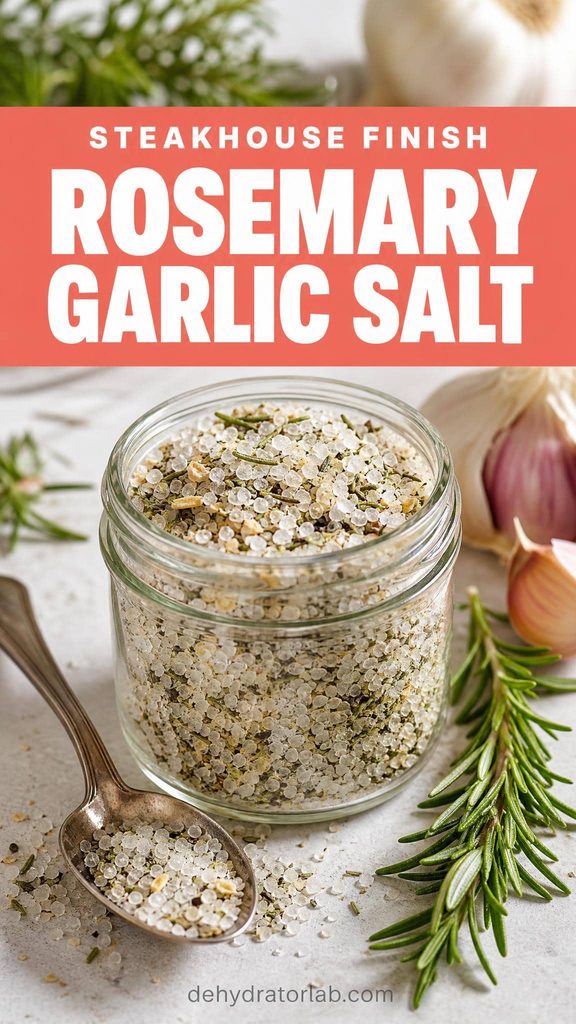
Dried rosemary, dehydrated garlic, and coarse sea salt, ground together just enough to break up the rosemary needles without turning the whole thing to dust. This is the finishing touch, not a background player.
Rosemary needles stay stubborn and needle-shaped even when fully dry, so a quick pulse in the grinder makes this blend far more pleasant to eat than whole sprigs would be. It’s the same pairing behind my rosemary sea salt crackers, just in shaker form. Finish a steak with it right off the grill, or press it into focaccia dough before baking. The last thing that touches the food, not the first.
Personal Tips You Can Steal
I dry each herb on its own tray instead of mixing fresh leaves before drying — flavors and drying times vary too much to lump them together. I always strip leaves from stems after drying, not before, since the stems help support airflow around the leaves while they dry.
I crumble by hand for a rustic texture and save the grinder for blends I want finer, like the rosemary garlic salt. I label every jar with the blend name and the date, since a jar of mystery green flakes six months from now helps nobody. I keep my most-used blends — Italian and ranch — in a little rack by the stove instead of buried in the pantry.
Final Thoughts
Herb blends might be the single easiest thing on this whole site to make, and they’re the one that saves you money every single week instead of just once. Start with the Italian blend if you’re new to this — it’s forgiving, and you’ll use it constantly.
If you want more ways to stock your spice rack from the dehydrator, my 9 dehydrated seasoning recipes roundup has more single-ingredient powders and blends, and my dehydrated cracker recipes give you something to put these herb blends on.
P.S. If you only make one from this list, make the Classic Italian — it’s the one you’ll reach for on a random Tuesday, not just for a special occasion. Happy dehydrating! 🙂