Spinach powder is one of those quiet kitchen heroes that makes everything easier. It packs a lot of nutrition into a small scoop, adds a gentle green color, and blends into countless recipes without overpowering them. If you’ve ever tossed out wilted spinach, this is your answer.
Dehydrated spinach powder is shelf-stable, easy to make, and surprisingly versatile. Whether you’re sneaking more greens into meals or looking for a convenient way to reduce waste, this powder earns its spot in your pantry.
In this article:
Why This Recipe Works
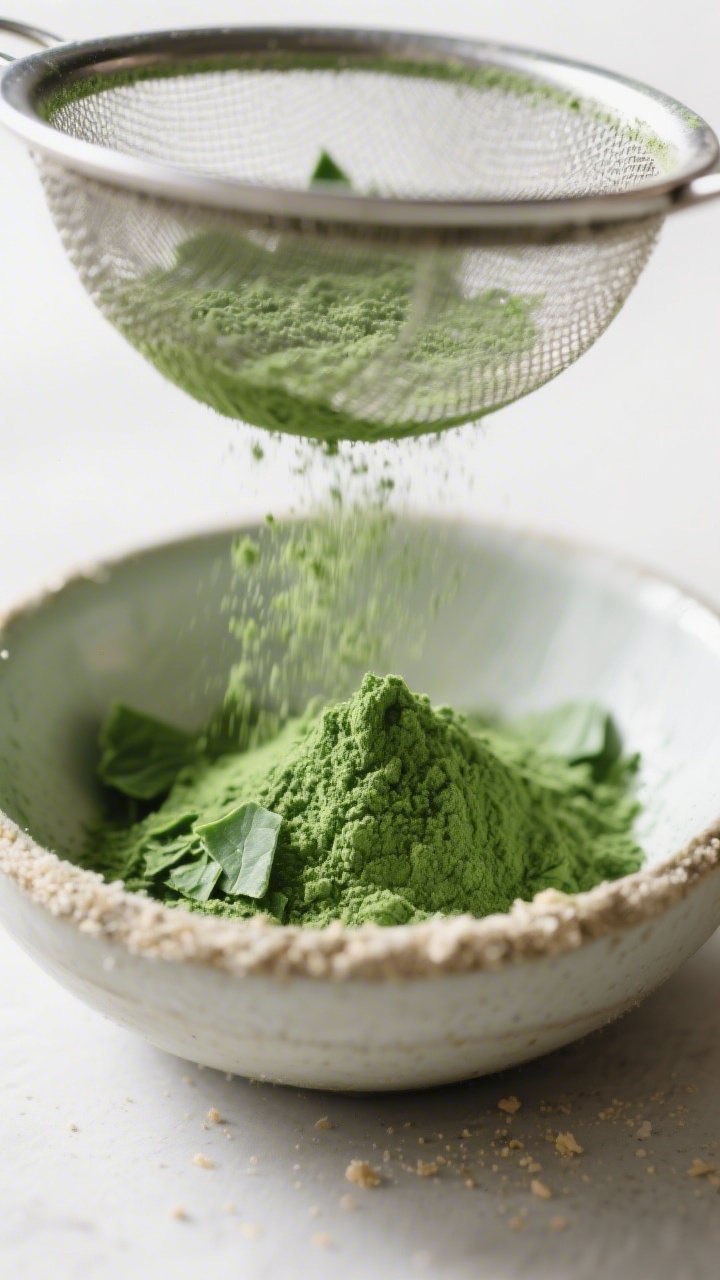
This method keeps things straightforward while preserving as much flavor and color as possible. You dry the spinach low and slow to protect its nutrients and avoid bitterness.
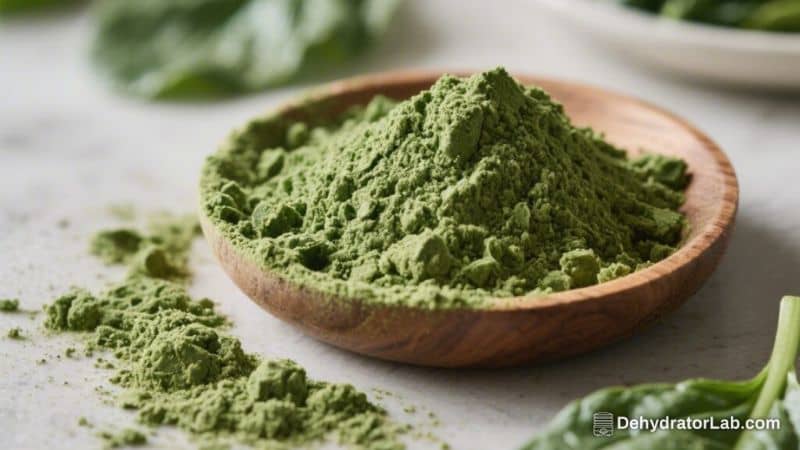
Once crisp, it grinds into a fine powder that stores beautifully and rehydrates easily in soups, smoothies, and sauces. The result is a clean-tasting, nutrient-dense powder with no fillers or additives. It’s flexible, budget-friendly, and perfect for batch prep.
What You’ll Need
- Fresh spinach: Baby spinach or mature leaves both work.
Aim for 1–2 pounds to yield a few ounces of powder.
- Dehydrator or oven: A dehydrator gives the best control, but a low-heat oven works too.
- Baking sheets or dehydrator trays: Line with parchment if using an oven.
- Salad spinner or clean towels: For drying washed leaves thoroughly.
- Blender, spice grinder, or food processor: To grind the dried leaves into powder.
- Fine-mesh sieve (optional): For a super smooth, even powder.
- Airtight containers: Small glass jars or vacuum-sealed bags to store the powder.
- Labels and date stickers: To track freshness and batch dates.
How to Make It
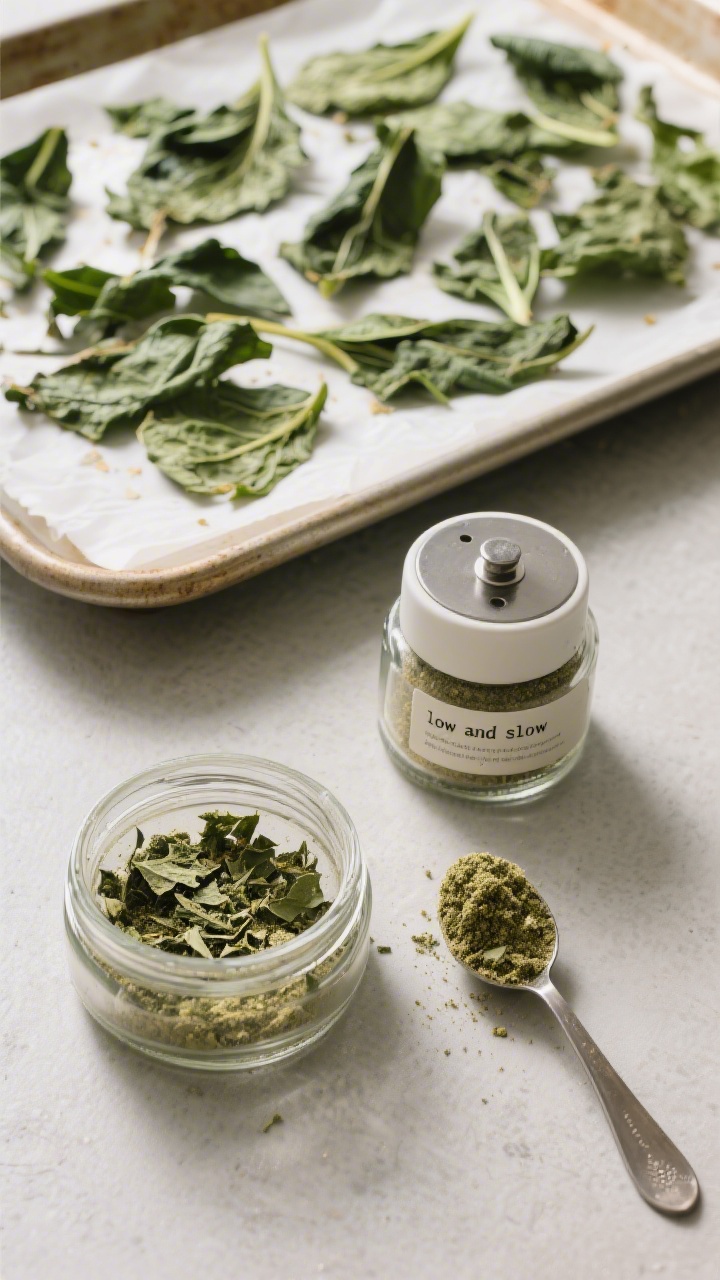
- Wash and sort the spinach. Rinse thoroughly to remove grit. Discard any slimy or yellowed leaves. Clean leaves make cleaner-tasting powder.
- Dry the leaves well. Spin them dry or pat with towels.
Excess moisture slows drying and can dull the color. Aim for leaves that are dry to the touch.
- Prep your trays. Arrange spinach in a single layer on dehydrator trays or parchment-lined baking sheets. Avoid overlapping; it traps moisture and lengthens drying time.
- Dehydrate at low heat.
- Dehydrator: 115–125°F (46–52°C) for 3–5 hours.
- Oven: Set to the lowest temp (ideally 170–200°F / 75–95°C).
Prop the door open slightly with a wooden spoon to help moisture escape. Expect 2–4 hours.
Leaves are done when they crumble easily between your fingers.
- Cool completely. Let the dried spinach cool for 10–15 minutes. Warm leaves can trap condensation in storage and soften.
- Grind to powder. Pulse in a spice grinder, blender, or food processor until fine.
Work in small batches for even texture and to avoid overheating the powder.
- Sift (optional). For a silky, uniform powder, pass it through a fine-mesh sieve. Regrind any coarse bits.
- Jar it up. Transfer to clean, airtight containers. Press out excess air and seal.
Label with the date and batch size.
- Store properly. Keep in a cool, dark place away from heat and light to protect the color and nutrients.
Storage Instructions
- Pantry: Store sealed jars in a cool cupboard for up to 6–12 months. The color and flavor are best in the first 6 months.
- Freezer: For maximum freshness, store in a freezer-safe container or vacuum-sealed bag. Use within 12–18 months.
Let come to room temp before opening to prevent condensation.
- Moisture control: Add a food-safe desiccant packet if your climate is humid. Always use a clean, dry spoon to scoop.
- Signs to toss: Clumping, off smells, or faded brownish color indicate it’s past its prime.
Health Benefits
Spinach is known for its micronutrient profile. It provides vitamin K for bone health, folate for cell function, and iron to support oxygen transport.
You’ll also get vitamin A (as beta-carotene), vitamin C, and a range of antioxidants like lutein and zeaxanthin, which support eye health. While dehydration can reduce some heat-sensitive vitamins, the overall nutrient density remains high, and the concentrated form helps you add more greens with less volume. It’s a practical way to boost daily veggie intake.
What Not to Do
- Don’t rush the drying. High heat can scorch the leaves, turn them brown, and create a bitter taste.
- Don’t stack wet leaves. Overlapping traps moisture and encourages uneven drying or spoilage.
- Don’t store warm powder. Any residual heat creates condensation and clumping in the jar.
- Don’t skip labeling. It’s easy to forget when you made it.
Dates help you rotate stock.
- Don’t expect it to taste like sautéed spinach. The flavor is mild and grassy, designed to blend in, not dominate.
Alternatives
- Other greens: Kale, Swiss chard, beet greens, or collard greens dehydrate well. Mix and match for a custom “greens blend.”
- Oven-only method: If you lack a dehydrator, the oven works. Keep heat as low as possible and crack the door to reduce humidity.
- Sun-drying: Not recommended unless you live in a very dry, hot climate.
It’s slower and riskier for food safety.
- Coarse flakes instead of powder: Stop grinding early for flakes that add texture to soups and casseroles.
- Flavor add-ins (use after drying): Mix the finished powder with garlic powder, onion powder, or nutritional yeast for a savory sprinkle. Keep blends separate from your plain base.
FAQ
How much fresh spinach makes one tablespoon of powder?
Roughly 1 packed cup of fresh spinach makes about 1–2 teaspoons of powder, depending on leaf size and dryness. Expect around 2–3 tablespoons of powder from a standard 6-ounce bag of baby spinach.
Can I use frozen spinach?
Yes, but thaw and squeeze it very dry first.
Spread it thin and dehydrate as usual. The texture is slightly different, but it still powders well and tastes fine.
What can I use spinach powder in?
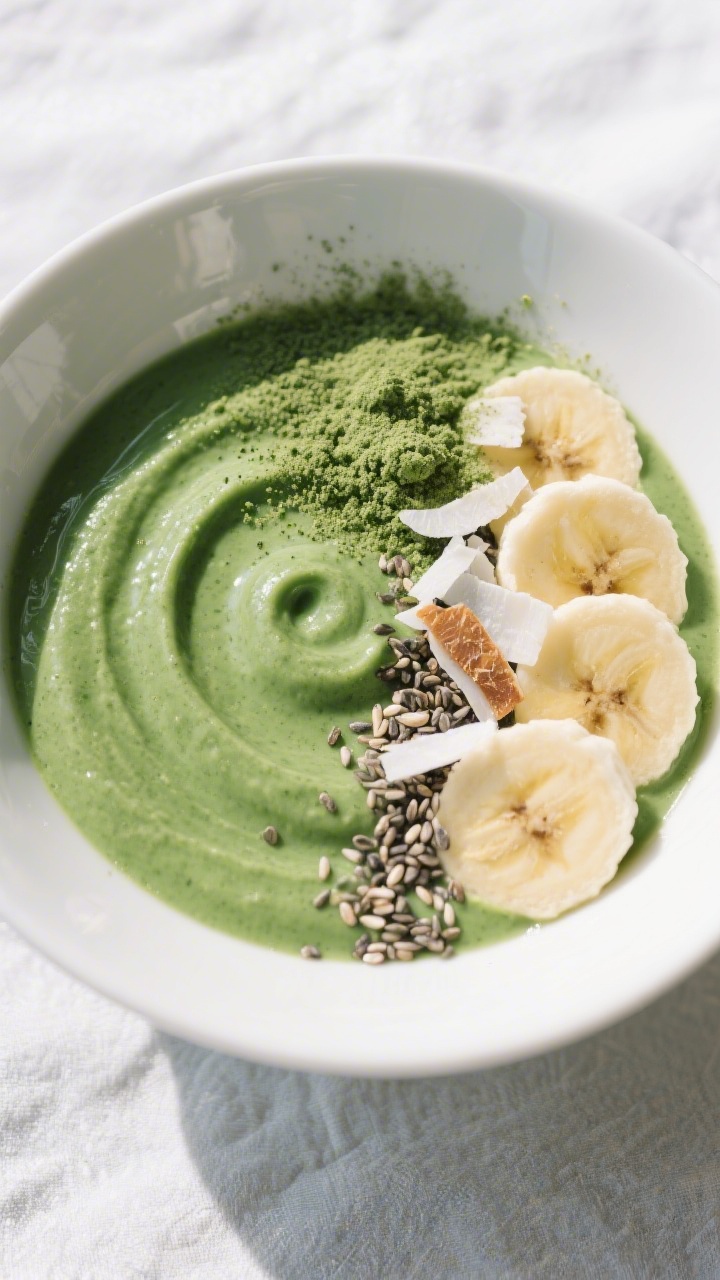
Blend into smoothies, stir into eggs or omelets, whisk into pancake or waffle batter, add to pasta dough, sprinkle into soups, sauces, and stews, or mix into dips and salad dressings. It also works in homemade tortillas, bread, and crackers for a green tint and nutrient boost.
Does it change the flavor of food?
Only slightly.
It adds a mild, earthy note that usually disappears under other flavors. Start with 1–2 teaspoons per serving and adjust to taste.
How do I keep the color vibrant?
Dry at low temperatures, avoid direct sun exposure during storage, and use airtight, opaque containers. Faster drying and cooler temps help lock in that bright green.
Is spinach powder safe for people on blood thinners?
Spinach is high in vitamin K, which can affect certain blood thinners.
If you take warfarin or similar medications, speak with your healthcare provider before adding concentrated greens to your diet.
Can I make it in a microwave?
It’s not ideal. Microwaves heat unevenly and can scorch leaves quickly. Stick to a dehydrator or a low oven for better texture and flavor.
How fine should I grind it?
Go for a fine, talc-like powder if you want it to disappear into liquids and batters.
A slightly coarser grind is fine for soups and sauces. Sifting helps standardize texture.
What’s the best way to measure it in recipes?
Use standard measuring spoons. If a recipe calls for fresh spinach, start by replacing 1 cup fresh with about 1–2 teaspoons of powder and adjust based on taste and color.
Can I mix it with protein powder?
Yes.
Combine a small amount with your favorite protein powder for a green boost. Start with 1 teaspoon per scoop to keep the flavor balanced.
Wrapping Up
Dehydrated spinach powder is an easy win: simple to make, long-lasting, and endlessly useful. With a handful of fresh spinach and a little patience, you can stock a jar that sneaks extra nutrition into everyday meals.
Keep it dry, keep it cool, and use it often. Once you see how effortlessly it fits into your routine, you’ll wonder how you went without it.
Dehydrated Spinach Powder – A Simple, Nutritious Pantry Staple
Ingredients
- Fresh spinach: Baby spinach or mature leaves both work.Aim for 1–2 pounds to yield a few ounces of powder.
- Dehydrator or oven: A dehydrator gives the best control, but a low-heat oven works too.
- Baking sheets or dehydrator trays: Line with parchment if using an oven.
- Salad spinner or clean towels: For drying washed leaves thoroughly.
- Blender, spice grinder, or food processor: To grind the dried leaves into powder.
- Fine-mesh sieve (optional): For a super smooth, even powder.
- Airtight containers: Small glass jars or vacuum-sealed bags to store the powder.
- Labels and date stickers: To track freshness and batch dates.
Instructions
- Wash and sort the spinach. Rinse thoroughly to remove grit. Discard any slimy or yellowed leaves. Clean leaves make cleaner-tasting powder.
- Dry the leaves well. Spin them dry or pat with towels.Excess moisture slows drying and can dull the color. Aim for leaves that are dry to the touch.
- Prep your trays. Arrange spinach in a single layer on dehydrator trays or parchment-lined baking sheets. Avoid overlapping; it traps moisture and lengthens drying time.
- Dehydrate at low heat. Dehydrator: 115–125°F (46–52°C) for 3–5 hours.
- Oven: Set to the lowest temp (ideally 170–200°F / 75–95°C).Prop the door open slightly with a wooden spoon to help moisture escape. Expect 2–4 hours.
- Cool completely. Let the dried spinach cool for 10–15 minutes. Warm leaves can trap condensation in storage and soften.
- Grind to powder. Pulse in a spice grinder, blender, or food processor until fine.Work in small batches for even texture and to avoid overheating the powder.
- Sift (optional). For a silky, uniform powder, pass it through a fine-mesh sieve. Regrind any coarse bits.
- Jar it up. Transfer to clean, airtight containers. Press out excess air and seal.Label with the date and batch size.
- Store properly. Keep in a cool, dark place away from heat and light to protect the color and nutrients.
Printable Recipe Card
Want just the essential recipe details without scrolling through the article? Get our printable recipe card with just the ingredients and instructions.