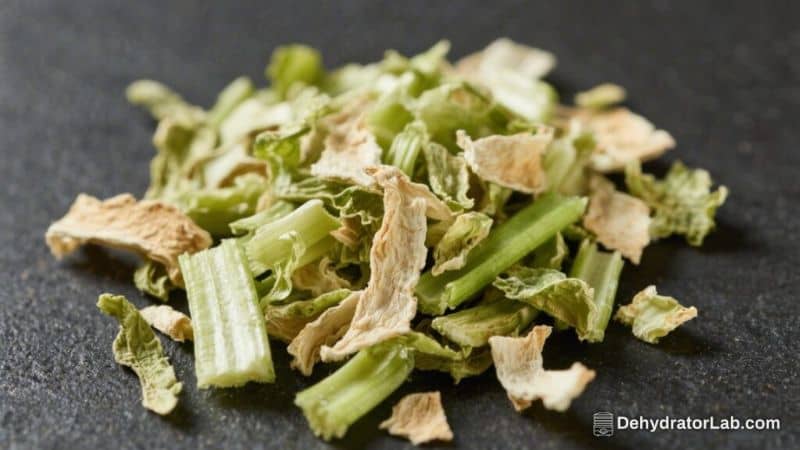
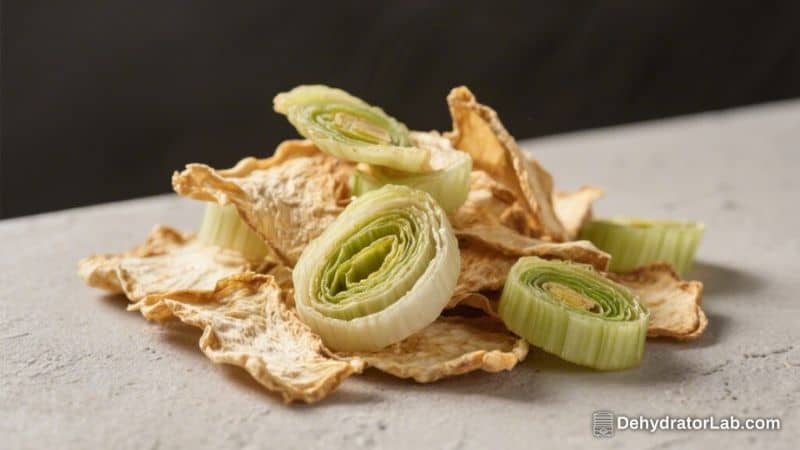
Leeks don’t always get the spotlight, but they’re a quiet powerhouse in the kitchen. When you dehydrate them, they turn into a deeply flavorful, shelf-stable staple you can toss into soups, stews, and sauces anytime. No wilting in the crisper, no waste, and no last-minute grocery runs.
Just clean, sweet, onion-like goodness that’s ready when you are. If you’ve never tried dehydrating leeks, this is an easy, practical place to start—and you’ll wonder how you cooked without them.
In this article:
What Makes This Special
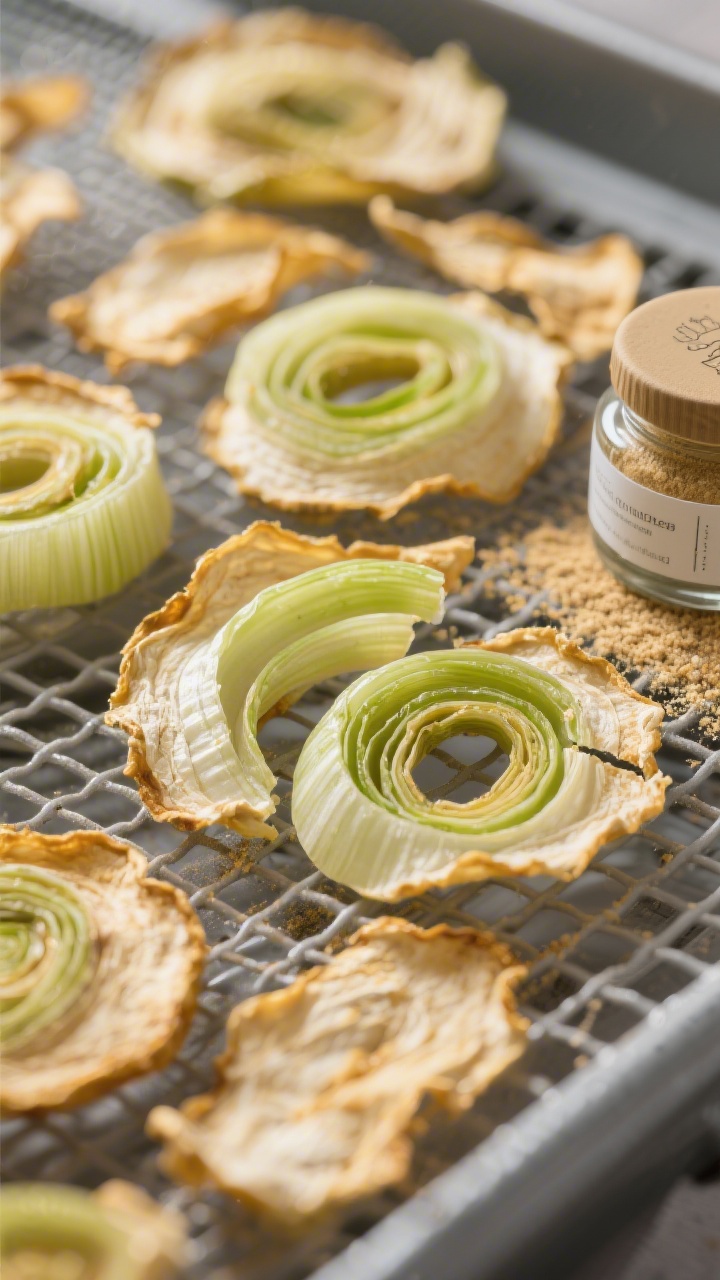
Dehydrated leek slices pack a surprising amount of umami and gentle sweetness in a small space. They rehydrate quickly, making them perfect for fast weeknight dinners.
They also save you the hassle of trimming, washing, and chopping leeks every time you cook. Plus, you can buy leeks in bulk when they’re affordable and preserve their flavor for months. It’s a smart way to reduce food waste and simplify your pantry.
Shopping List
- Fresh leeks (as many as you like; 3–4 large leeks dehydrate to about 1–1.5 cups)
- Water (for washing)
- Optional: Lemon juice or white vinegar (a splash for cleaning grit)
Equipment:
- Dehydrator with mesh trays (preferred) or an oven that can hold low temperatures
- Sharp knife and cutting board
- Salad spinner or clean kitchen towels for drying
- Airtight containers or jars with oxygen absorbers (optional but helpful)
- Label and marker for dating your batch
Step-by-Step Instructions
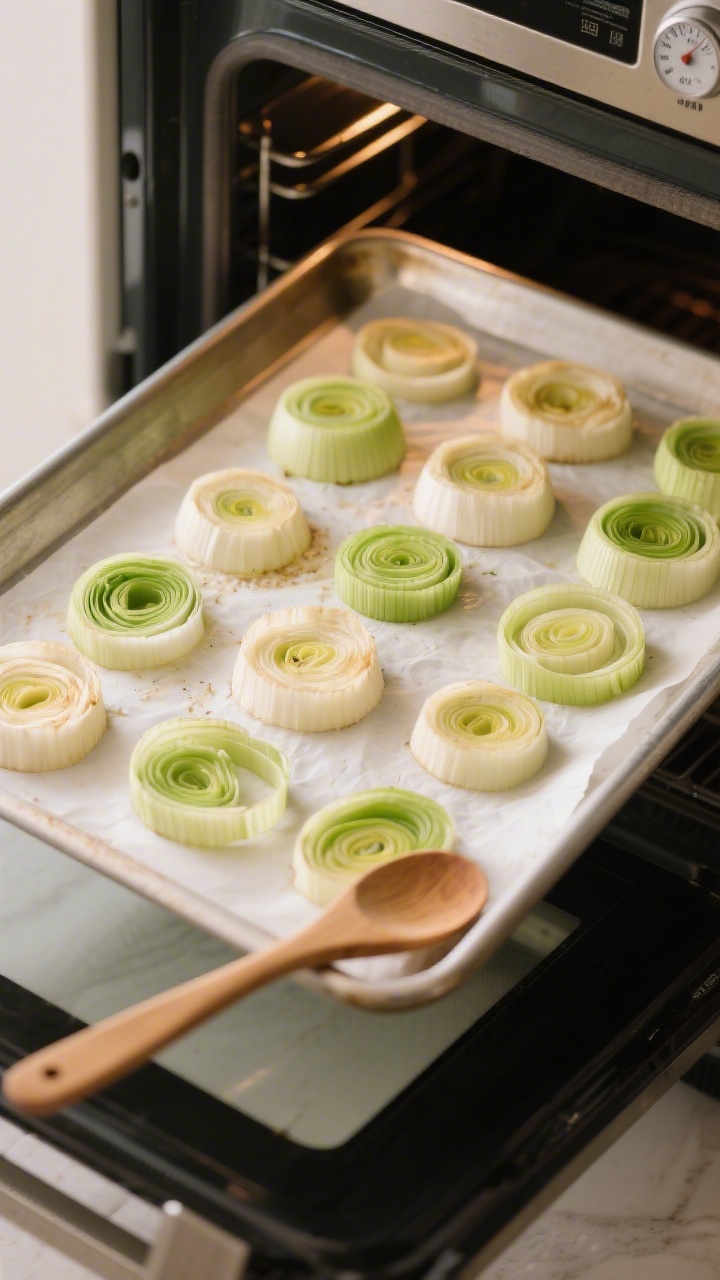
- Trim the leeks. Cut off the tough dark green tops and the root end.
Keep the white and light green portions. You can save the dark greens for stock if you like.
- Slice evenly. Cut the leeks into thin rounds, about 1/8 to 1/4 inch thick. Even thickness helps them dry at the same rate and prevents scorching.
- Wash thoroughly. Leeks hide sand. Separate the rings and swish them in a large bowl of cold water.
Add a splash of lemon juice or vinegar if you want extra help loosening grit. Lift the leeks out with your hands or a strainer so the dirt stays at the bottom.
- Dry before dehydrating. Spin the slices in a salad spinner or pat dry with towels. Removing surface moisture speeds up drying and improves texture.
- Arrange on trays. Spread the slices in a single layer on dehydrator trays lined with mesh or parchment. Avoid overlap; crowded trays slow the process.
- Set temperature. Dehydrate at 125–135°F (52–57°C).
For ovens, set to the lowest temperature and prop the door slightly open for airflow if needed. Use a fan if your oven doesn’t circulate air well.
- Dry until crisp. This usually takes 6–10 hours in a dehydrator, depending on slice thickness and humidity. In an oven, it may take longer.
The leeks are done when they’re completely dry, brittle, and snap when bent.
- Rotate trays as needed. If you notice uneven drying, rotate trays halfway through. This keeps everything consistent.
- Cool and condition. Let the dried leeks cool completely. Then place them in a large jar for conditioning for 5–7 days: shake the jar daily and check for any signs of moisture or clumping.
If you see it, return them to the dehydrator for another hour or two.
- Store properly. Once fully dry and conditioned, transfer to airtight jars or containers. Label with the date. Keep in a cool, dark pantry.
Keeping It Fresh
Proper storage makes all the difference.
Use airtight containers to block humidity, and keep them away from heat and light. If you live in a humid climate, add an oxygen absorber or a small desiccant packet to your jar. Well-dried, well-stored leek slices can last 6–12 months with excellent flavor.
If they soften over time, just re-crisp them in the dehydrator for 30–60 minutes.

Benefits of This Recipe
- Flavor boost on demand: Adds mellow onion flavor without sharpness or tears.
- Less waste: Preserve a seasonal haul or store-bought bundle before it goes limp.
- Space-saving: Dehydrated slices take up a fraction of the fridge space.
- Quick rehydration: Softens in minutes when added to hot liquids.
- Budget-friendly: Buy leeks in bulk when prices drop and make them last.
- Versatile: Toss into soups, quiches, omelets, pot pies, risottos, and sauces.
What Not to Do
- Don’t skip thorough washing. Grit ruins texture and can hide between rings.
- Don’t dehydrate at high heat. Temperatures above 140°F can brown the leeks and mute flavor.
- Don’t store while warm. Trapped warmth causes condensation and spoilage.
- Don’t crowd the trays. Overlapping slices dry unevenly and may turn leathery.
- Don’t ignore conditioning. It catches hidden moisture that leads to mold.
Alternatives
- Leek powder: Grind fully dried slices into a powder for a smooth seasoning. Great for rubs, dips, and cream sauces. Store in a small jar with a desiccant to prevent clumping.
- Mixed allium blend: Dehydrate leeks alongside onions and shallots, then store separately or mix for a ready-to-use soup base.
- Oven-only method: If you don’t have a dehydrator, set your oven to its lowest setting, use convection if available, and prop the door slightly.
Expect a longer time and check often to avoid browning.
- Blanched slices: For a milder flavor and faster drying, briefly blanch sliced leeks in boiling water for 30–45 seconds, then shock in ice water and dry thoroughly before dehydrating.
- Oil-free crisp garnish: Dry very thin slices until ultra-crisp and use as a crunchy topping for soups and salads.
FAQ
Do I need to blanch leeks before dehydrating?
No, it’s optional. Blanching can soften flavor and shorten drying time, but raw slices dehydrate just fine and keep a stronger, sweeter leek taste.
How do I rehydrate dehydrated leek slices?
Add them directly to soups, stews, or sauces and simmer for 10–15 minutes. For sautéing, soak in hot water for 5–10 minutes, drain, and pat dry before cooking with oil or butter.
How can I tell they’re fully dry?
They should feel brittle and snap cleanly.
If they bend or feel leathery, they need more time. After cooling, test a few thick pieces to be sure.
What’s the best way to use them in everyday cooking?
Use them as you would onions or scallions for background flavor. A handful in chicken soup, risotto, or a creamy pasta sauce adds gentle sweetness and depth.
Can I dehydrate the dark green parts?
You can, but they’re tougher and more fibrous.
They work best for stocks and powders rather than in dishes where texture matters.
How long do dehydrated leeks last?
With airtight storage in a cool, dark place, expect 6–12 months. Flavor slowly fades over time, so label jars and use the oldest first.
Why do my leeks taste bitter after drying?
Usually it’s from high heat or slight scorching. Keep temperatures at 125–135°F and rotate trays to prevent hot spots.
Also ensure slices are fully clean and not over-dried to the point of browning.
Can I make leek powder without a dehydrator?
Yes. Oven-dry the slices until fully crisp, cool them completely, then grind in a spice grinder. Sift for a fine texture and store airtight.
How much dried leek equals fresh?
As a rough guide, 1 tablespoon dried equals about 1/4 cup fresh sliced leeks.
Adjust to taste since dryness and slice thickness vary.
Is there a smell issue while dehydrating?
Leeks are milder than onions, but you’ll notice a savory aroma. Run the dehydrator in a well-ventilated area if you’re sensitive to smells.
In Conclusion
Dehydrated leek slices are a small effort with a big payoff. They’re easy to make, easy to store, and incredibly useful across countless recipes.
With a few leeks and some low, slow heat, you’ll stock your pantry with reliable, flavorful building blocks for everyday cooking. Keep a jar on hand, and you’ll always have that gentle, savory lift ready to go.

Dehydrated Leek Slices – Simple, Flavorful, and Handy
Ingredients
- Fresh leeks (as many as you like; 3–4 large leeks dehydrate to about 1–1.5 cups)
- Water (for washing)
- Optional: Lemon juice or white vinegar (a splash for cleaning grit)
- Dehydrator with mesh trays (preferred) or an oven that can hold low temperatures
- Sharp knife and cutting board
- Salad spinner or clean kitchen towels for drying
- Airtight containers or jars with oxygen absorbers (optional but helpful)
- Label and marker for dating your batch
Instructions
- Trim the leeks. Cut off the tough dark green tops and the root end.Keep the white and light green portions. You can save the dark greens for stock if you like.
- Slice evenly. Cut the leeks into thin rounds, about 1/8 to 1/4 inch thick. Even thickness helps them dry at the same rate and prevents scorching.
- Wash thoroughly. Leeks hide sand. Separate the rings and swish them in a large bowl of cold water.Add a splash of lemon juice or vinegar if you want extra help loosening grit. Lift the leeks out with your hands or a strainer so the dirt stays at the bottom.
- Dry before dehydrating. Spin the slices in a salad spinner or pat dry with towels. Removing surface moisture speeds up drying and improves texture.
- Arrange on trays. Spread the slices in a single layer on dehydrator trays lined with mesh or parchment. Avoid overlap; crowded trays slow the process.
- Set temperature. Dehydrate at 125–135°F (52–57°C).For ovens, set to the lowest temperature and prop the door slightly open for airflow if needed. Use a fan if your oven doesn’t circulate air well.
- Dry until crisp. This usually takes 6–10 hours in a dehydrator, depending on slice thickness and humidity. In an oven, it may take longer.The leeks are done when they’re completely dry, brittle, and snap when bent.
- Rotate trays as needed. If you notice uneven drying, rotate trays halfway through. This keeps everything consistent.
- Cool and condition. Let the dried leeks cool completely. Then place them in a large jar for conditioning for 5–7 days: shake the jar daily and check for any signs of moisture or clumping.If you see it, return them to the dehydrator for another hour or two.
- Store properly. Once fully dry and conditioned, transfer to airtight jars or containers. Label with the date. Keep in a cool, dark pantry.
Printable Recipe Card
Want just the essential recipe details without scrolling through the article? Get our printable recipe card with just the ingredients and instructions.