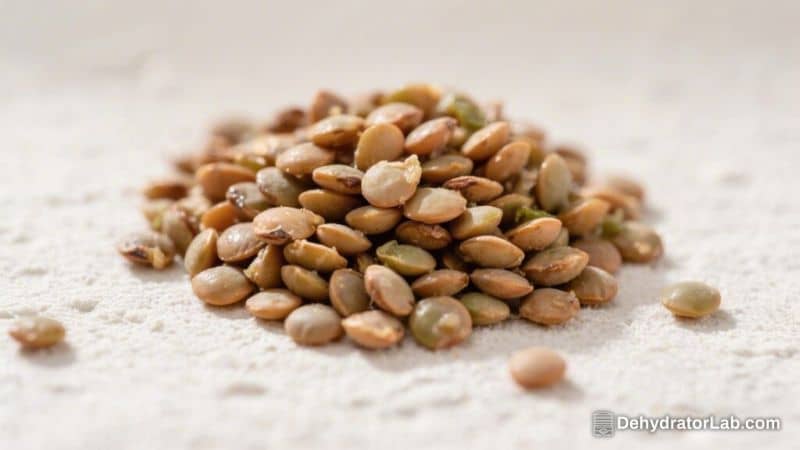
Lentils are already a cook’s best friend: cheap, quick-cooking, and incredibly versatile. Dehydrating cooked lentils takes that convenience even further. You get ready-to-eat protein that rehydrates in minutes, packs light, and stores for months.
Whether you’re meal prepping, backpacking, or building an emergency pantry, this method makes life easier. You can season them before drying or keep them plain, then flavor them later. Either way, you’ll have a flexible base for soups, salads, tacos, and more.
In this article:
What Makes This Recipe So Good
- Speedy meals: Rehydrated lentils are ready in 5–10 minutes, no long simmering required.
- Shelf-stable and portable: They store well and weigh very little, perfect for camping or busy weeks.
- Budget-friendly: Dry lentils are inexpensive, and this method prevents waste by extending their life.
- Customizable flavor: Season before dehydrating or keep them neutral for maximum flexibility.
- Nutritious: Lentils are rich in protein, fiber, iron, and folate.
Dehydrating preserves most of that goodness.
What You’ll Need
- Dry lentils: Brown, green, or black (beluga) work best. Red lentils get mushy but can still be used for soups.
- Water: For cooking and rehydrating.
- Salt: Optional, for seasoning after cooking.
- Aromatics (optional): Bay leaf, garlic, onion, or herbs for flavoring the cooking water.
- Spices (optional): Cumin, smoked paprika, curry powder, or chili powder if you want seasoned lentils.
- Dehydrator or oven: A dehydrator with mesh trays is ideal; an oven on its lowest setting also works.
- Parchment or silicone mats: To prevent sticking on trays.
- Airtight containers: Mason jars, vacuum-sealed bags, or Mylar bags with oxygen absorbers for long-term storage.
Step-by-Step Instructions
- Sort and rinse the lentils. Pick out any small stones or debris. Rinse under cool water until clear.
This improves texture and removes dust.
- Cook the lentils until just tender. Use a ratio of about 1 cup lentils to 3 cups water. Bring to a boil, then simmer. Brown or green lentils typically take 18–25 minutes.
Aim for tender but not falling apart.
- Season lightly, if you want. Add a pinch of salt near the end of cooking. Avoid heavy oils or lots of fat—they slow dehydration and can shorten shelf life. Aromatics and spices are fine.
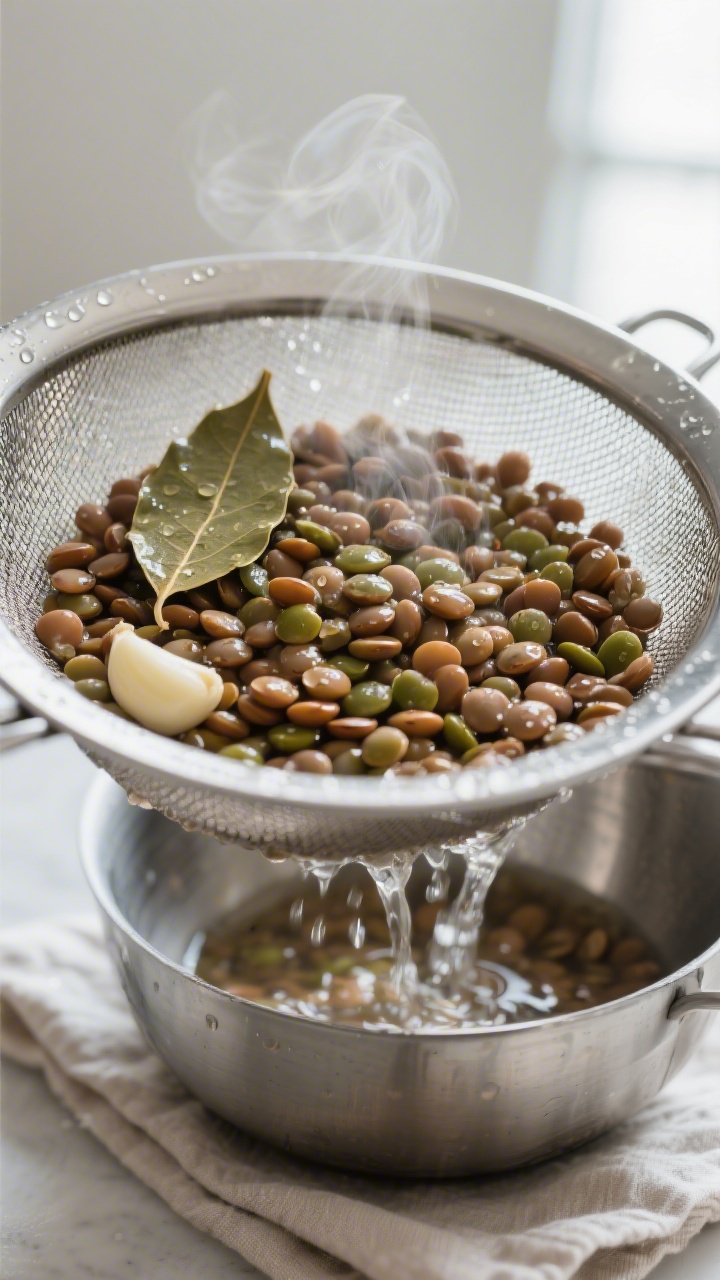
- Drain very well. Excess moisture makes dehydration slower and uneven.
Let the lentils sit in a fine-mesh strainer for a few minutes to remove as much water as possible.
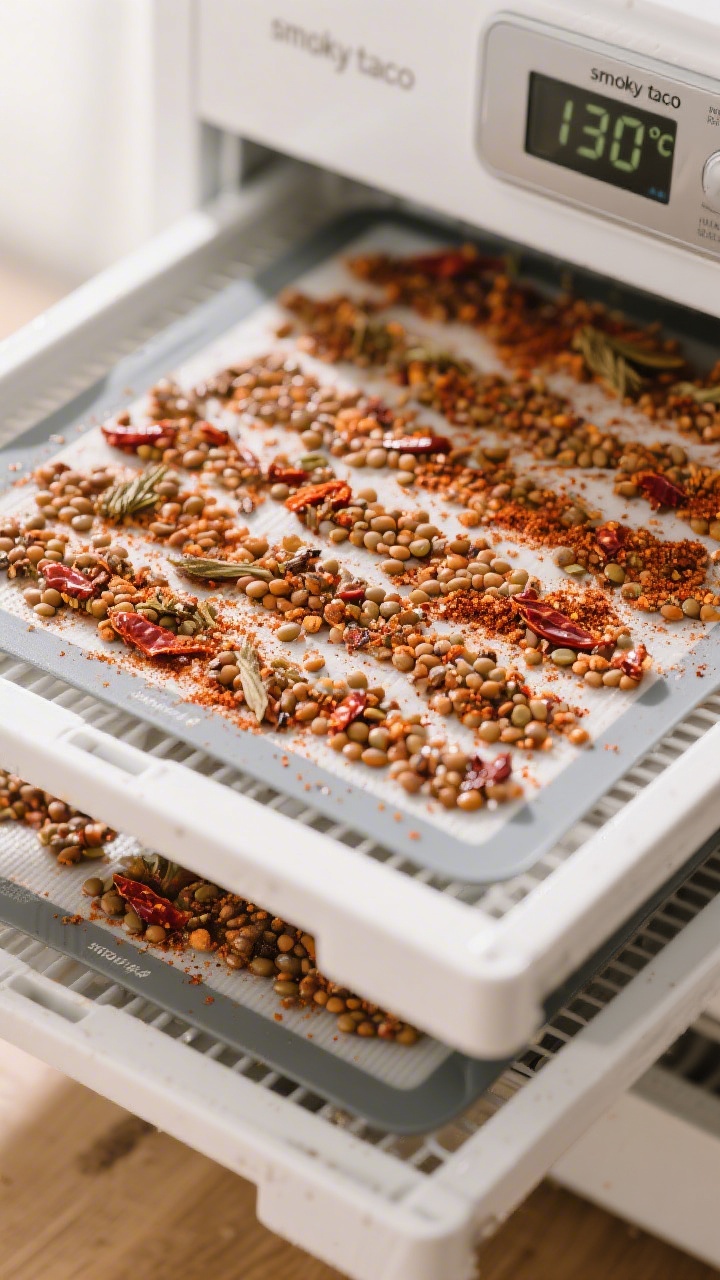
- Preheat your dehydrator or oven. Set dehydrator to 125–135°F (52–57°C). For an oven, use the lowest temperature possible and prop the door slightly open for air flow if it’s safe to do so.
- Spread lentils in a thin, even layer. Line trays with parchment or silicone mats. Avoid piling them up.
A single layer dries faster and more evenly.
- Dehydrate until very dry and hard. This usually takes 4–8 hours in a dehydrator, longer in an oven. Stir or rotate trays halfway through for even drying. The lentils should be crisp and snap when pressed.
- Cool completely. Let the lentils cool to room temperature on the trays.
Trapping residual heat or moisture in containers can cause condensation and spoilage.
- Condition the batch. Place dried lentils in a large jar about two-thirds full. Shake once a day for a week. If you see any moisture on the glass or clumping, return them to the dehydrator to finish drying.
- Store properly. Transfer to airtight containers.
For long-term storage, add an oxygen absorber and use Mylar or vacuum-sealed bags. Label with the date and any seasonings used.
- Rehydrate when ready to eat. Combine 1 cup dehydrated lentils with 1.5–2 cups boiling water or broth. Cover and let sit 5–10 minutes, or simmer 3–5 minutes for faster results.
Drain excess liquid if needed and season to taste.
Keeping It Fresh
- Short-term: Store in a cool, dark pantry in airtight jars. Use within 6–9 months for best flavor.
- Long-term: Vacuum-seal or store in Mylar with oxygen absorbers. In a cool environment, they can last 1–2 years.
- Avoid heat, light, and humidity: These are the biggest threats to quality.
Keep containers tightly sealed after each use.
- Watch for warning signs: If you notice off smells, soft textures, or visible moisture, discard the batch.

Benefits of This Recipe
- Fast weeknight meals: Toss rehydrated lentils into salads, tacos, stir-fries, and grain bowls without waiting for a pot to simmer.
- Backpacking ready: Lightweight, no-fuss protein that cooks with just hot water. Great in instant soups or freezer-bag meals.
- Reduces waste: Cook a big pot of lentils, use what you need, and dehydrate the rest instead of letting leftovers languish.
- Flexible flavoring: Keep some plain for broad use and some pre-seasoned for specific dishes.
- Nutrient-dense: Lentils bring protein, fiber, and minerals to your meals with minimal fat.
Common Mistakes to Avoid
- Overcooking before drying: Mushy lentils dry into hard clumps and rehydrate unevenly. Stop cooking when they’re just tender.
- Using too much oil: Oil slows dehydration and can go rancid.
Add fats after rehydrating or in the final dish.
- Thick layers on trays: Lentils piled up will trap moisture and take forever to dry. Keep them in a single layer.
- Skipping conditioning: Even if they seem dry, conditioning helps catch hidden moisture and prevents spoilage.
- Storing while warm: This causes condensation inside the container. Always cool completely first.
Variations You Can Try
- Smoky taco lentils: Season cooked lentils with chili powder, cumin, smoked paprika, garlic powder, and a pinch of oregano before drying.
Great for camp tacos or nachos.
- Curry-spiced lentils: Stir in curry powder, turmeric, and a little garam masala. Rehydrate with coconut milk and water for a quick, creamy bowl.
- Herby Italian: Add dried basil, thyme, fennel seed, and black pepper. Toss into tomato-based soups and pasta salads.
- Lemon-pepper: Mix with lemon zest and coarse black pepper before drying.
Bright and easy for salads or grain bowls.
- Soup starter blend: Dehydrate cooked lentils along with peas, corn, diced carrots, and onion. Package in a jar with bouillon and spices for an instant soup kit.
FAQ
Which lentil varieties work best?
Brown and green lentils hold their shape and rehydrate well, making them the most reliable. Black (beluga) also work nicely and have a firm bite.
Red lentils tend to break down, so they’re best for quick dhal or thick soups rather than salads or tacos.
Do I need to soak lentils before cooking?
No. Lentils cook quickly without soaking. Just rinse, simmer until tender, and proceed with the dehydration steps.
How long do dehydrated cooked lentils last?
In airtight containers in a cool, dark place, expect 6–9 months with good flavor.
With vacuum sealing or Mylar plus oxygen absorbers, they can last 1–2 years. Always check for off smells or moisture before using.
What’s the best way to rehydrate them?
Cover with boiling water or broth using a 1:1.5 to 1:2 ratio, then let sit covered for 5–10 minutes. For extra speed, simmer them gently for 3–5 minutes.
Adjust liquid as needed depending on your final dish.
Can I dehydrate seasoned lentils?
Yes, as long as they’re not oily. Dry spices and herbs are fine. Avoid large amounts of oil or butter because they slow drying and shorten shelf life.
Can I use an oven instead of a dehydrator?
Yes.
Use the lowest heat setting and keep air moving—crack the oven door slightly if it’s safe, or use convection if available. Rotate trays and stir occasionally to ensure even drying.
Do dehydrated lentils lose nutrients?
There’s some minor loss, mainly from the initial cooking. However, most nutrients, especially protein and minerals, remain.
For maximum nutrition, avoid overcooking before drying.
Why are my rehydrated lentils still tough?
They may have been undercooked before dehydrating or not fully rehydrated. Simmer them briefly instead of just soaking, and make sure they were fully dried and conditioned properly.
Can I grind dehydrated lentils into powder?
Absolutely. Pulse in a blender to make lentil “meal.” It’s useful for thickening soups, adding protein to smoothies, or making instant dhal by whisking with hot water and spices.
Are dehydrated lentils safe for gluten-free diets?
Lentils are naturally gluten-free, but check for cross-contact if you’re highly sensitive.
Rinse well and ensure your seasonings and storage containers are gluten-free.
In Conclusion
Dehydrated cooked lentils give you fast, reliable protein with almost no fuss. Cook once, dry a big batch, and stash them for months of quick meals. They rehydrate in minutes, travel well, and fit into everything from hearty soups to zesty tacos.
Keep a few jars on hand—plain and seasoned—and you’ll always have a nutritious, budget-friendly shortcut ready to go.
Dehydrated Cooked Lentils – A Handy, Lightweight Pantry Staple
Ingredients
- Dry lentils: Brown, green, or black (beluga) work best. Red lentils get mushy but can still be used for soups.
- Water: For cooking and rehydrating.
- Salt: Optional, for seasoning after cooking.
- Aromatics (optional): Bay leaf, garlic, onion, or herbs for flavoring the cooking water.
- Spices (optional): Cumin, smoked paprika, curry powder, or chili powder if you want seasoned lentils.
- Dehydrator or oven: A dehydrator with mesh trays is ideal; an oven on its lowest setting also works.
- Parchment or silicone mats: To prevent sticking on trays.
- Airtight containers: Mason jars, vacuum-sealed bags, or Mylar bags with oxygen absorbers for long-term storage.
Instructions
- Sort and rinse the lentils. Pick out any small stones or debris. Rinse under cool water until clear.This improves texture and removes dust.
- Cook the lentils until just tender. Use a ratio of about 1 cup lentils to 3 cups water. Bring to a boil, then simmer. Brown or green lentils typically take 18–25 minutes.Aim for tender but not falling apart.
- Season lightly, if you want. Add a pinch of salt near the end of cooking. Avoid heavy oils or lots of fat—they slow dehydration and can shorten shelf life. Aromatics and spices are fine.
- Drain very well. Excess moisture makes dehydration slower and uneven.Let the lentils sit in a fine-mesh strainer for a few minutes to remove as much water as possible.
- Preheat your dehydrator or oven. Set dehydrator to 125–135°F (52–57°C). For an oven, use the lowest temperature possible and prop the door slightly open for air flow if it’s safe to do so.
- Spread lentils in a thin, even layer. Line trays with parchment or silicone mats. Avoid piling them up.A single layer dries faster and more evenly.
- Dehydrate until very dry and hard. This usually takes 4–8 hours in a dehydrator, longer in an oven. Stir or rotate trays halfway through for even drying. The lentils should be crisp and snap when pressed.
- Cool completely. Let the lentils cool to room temperature on the trays.Trapping residual heat or moisture in containers can cause condensation and spoilage.
- Condition the batch. Place dried lentils in a large jar about two-thirds full. Shake once a day for a week. If you see any moisture on the glass or clumping, return them to the dehydrator to finish drying.
- Store properly. Transfer to airtight containers.For long-term storage, add an oxygen absorber and use Mylar or vacuum-sealed bags. Label with the date and any seasonings used.
- Rehydrate when ready to eat. Combine 1 cup dehydrated lentils with 1.5–2 cups boiling water or broth. Cover and let sit 5–10 minutes, or simmer 3–5 minutes for faster results.Drain excess liquid if needed and season to taste.
Printable Recipe Card
Want just the essential recipe details without scrolling through the article? Get our printable recipe card with just the ingredients and instructions.