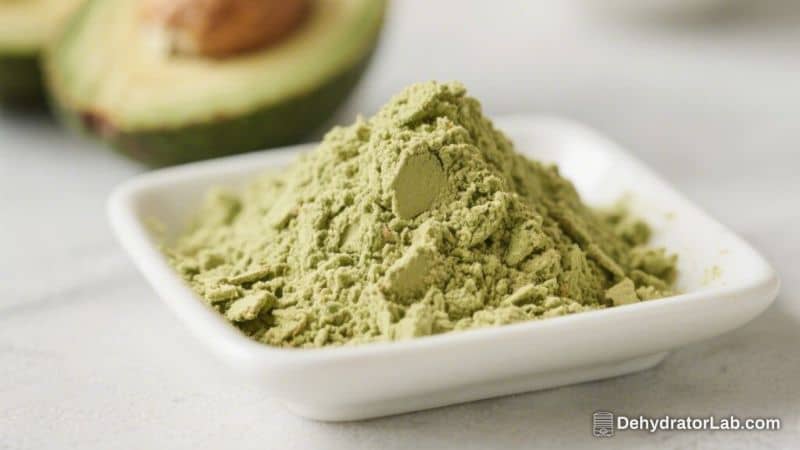
Avocado lovers know the struggle: perfect one day, overripe the next. Dehydrated avocado powder is a simple way to capture that creamy, nutty flavor and good fats in a form that lasts for months. It blends into smoothies, adds richness to dressings, and even works in baking and savory rubs.
If you’ve ever tossed a browning avocado with regret, this is your low-waste, high-reward solution.
In this article:
What Makes This Special
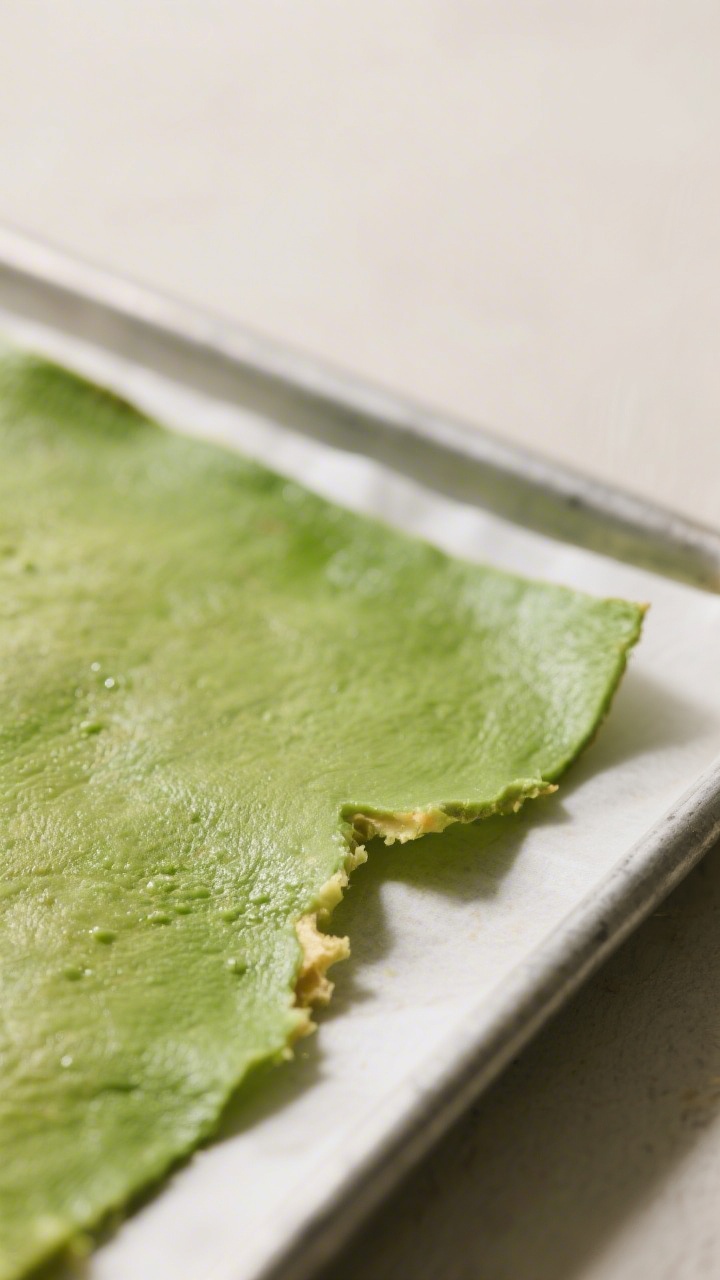
This powder packs the essence of ripe avocados without the clock ticking. Because it’s shelf-stable, you can keep avocado flavor on hand for quick meals and travel. It dissolves smoothly into liquids or combines with dry ingredients for seasoning blends.
You also control the quality: choose ripe fruit, skip additives if you prefer, and season to taste. It’s a smart pantry upgrade for anyone who loves avocados but hates the guesswork.
Ingredients
- 3–4 ripe avocados (Hass or similar, with creamy flesh)
- 1–2 tablespoons lemon juice or lime juice (to slow browning)
- Optional: 1/4 teaspoon fine sea salt (per avocado), if you want a seasoned powder
Step-by-Step Instructions
- Select ripe avocados. Choose avocados that yield gently to pressure and have no large soft spots or off smells. Slightly firm-but-ripe fruit dehydrates more evenly.
- Prep your workspace. Wash your hands and tools.
Line dehydrator trays with nonstick sheets or use parchment on baking sheets if using an oven.
- Halve, pit, and peel. Scoop the flesh into a bowl and discard any bruised or stringy portions.
- Add acid. Stir in lemon or lime juice to coat thoroughly. This slows oxidation and helps the final powder stay greener.
- Optional seasoning. If you want a subtly savory powder, add a small amount of salt now. Keep it minimal so the powder stays versatile.
- Puree smooth. Use a blender or food processor until you get a thick, even puree with no chunks.
A smooth puree dries faster and powders better.
- Spread thin. Pour the puree onto lined trays and spread to a uniform 1–2 mm thickness. Thin layers = faster, more even drying.
- Dehydrate low and slow.
- Dehydrator: 125–135°F (52–57°C) for 6–10 hours.
- Oven: Lowest setting (often 170–200°F / 75–93°C). Prop the door slightly ajar to improve airflow; expect 4–8 hours depending on thickness.
The sheet should turn firm, dry, and slightly pliable with no tackiness.
- Flip and finish. Peel off the liner and return the sheet to dry side-up if needed. Continue until fully dry and brittle. No flexibility = done.
- Cool completely. Let the dried sheet cool to room temperature before grinding.
Warm pieces can trap condensation and cause clumping.
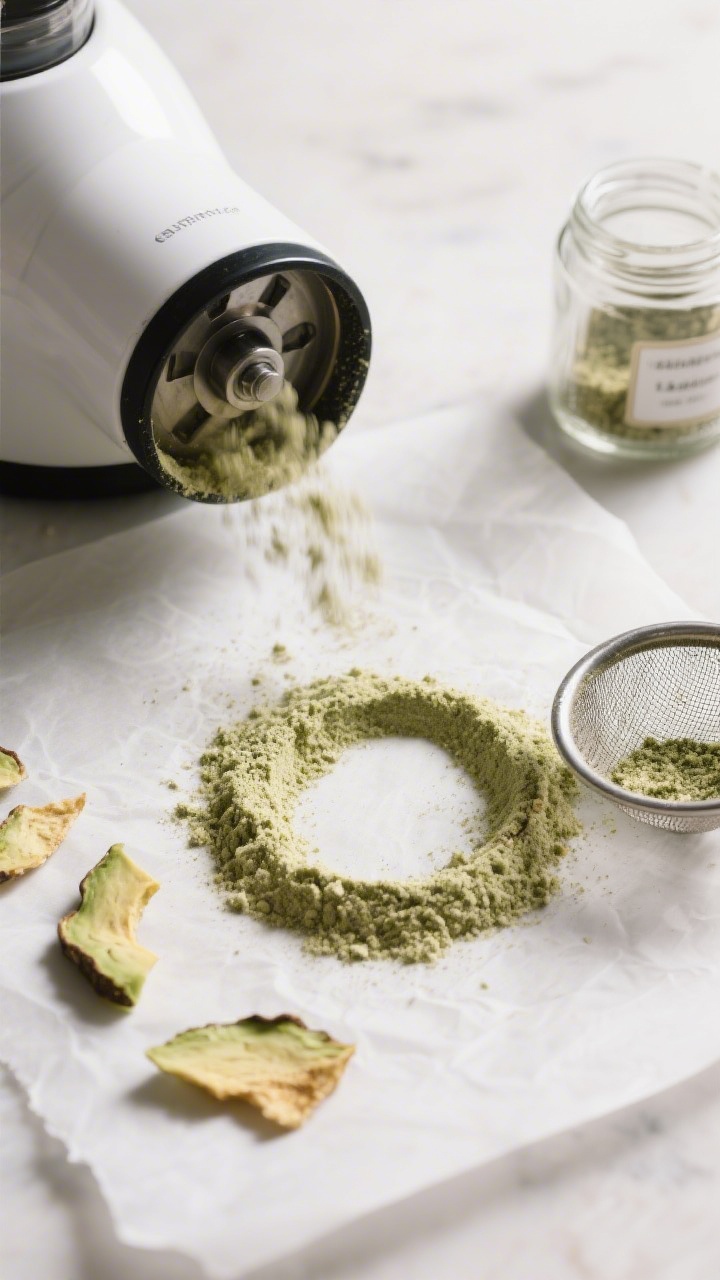
- Grind to powder. Break into chips and process in a spice grinder or high-speed blender. Pulse until fine. For ultra-smooth powder, sieve and regrind larger bits.
- Condition the powder. Place the powder loosely in a clean jar, fill no more than halfway, and shake once daily for 2–3 days.
If clumps form, it wasn’t fully dry—return to the dehydrator briefly.
- Label and store. Note the date and whether it’s salted. Store airtight in a cool, dark spot.
Storage Instructions
- Airtight is essential: Use a glass jar with a tight lid or a vacuum-sealed bag. Oxygen and humidity cause clumping and off flavors.
- Keep it cool and dry: A pantry away from heat and sunlight works.
For longest life, refrigerate or freeze.
- Shelf life: 3–6 months at room temperature; up to 9–12 months refrigerated; up to 18 months frozen. Always check aroma and color before use.
- Moisture control: Add a food-safe desiccant packet if you live in a humid climate.
Health Benefits
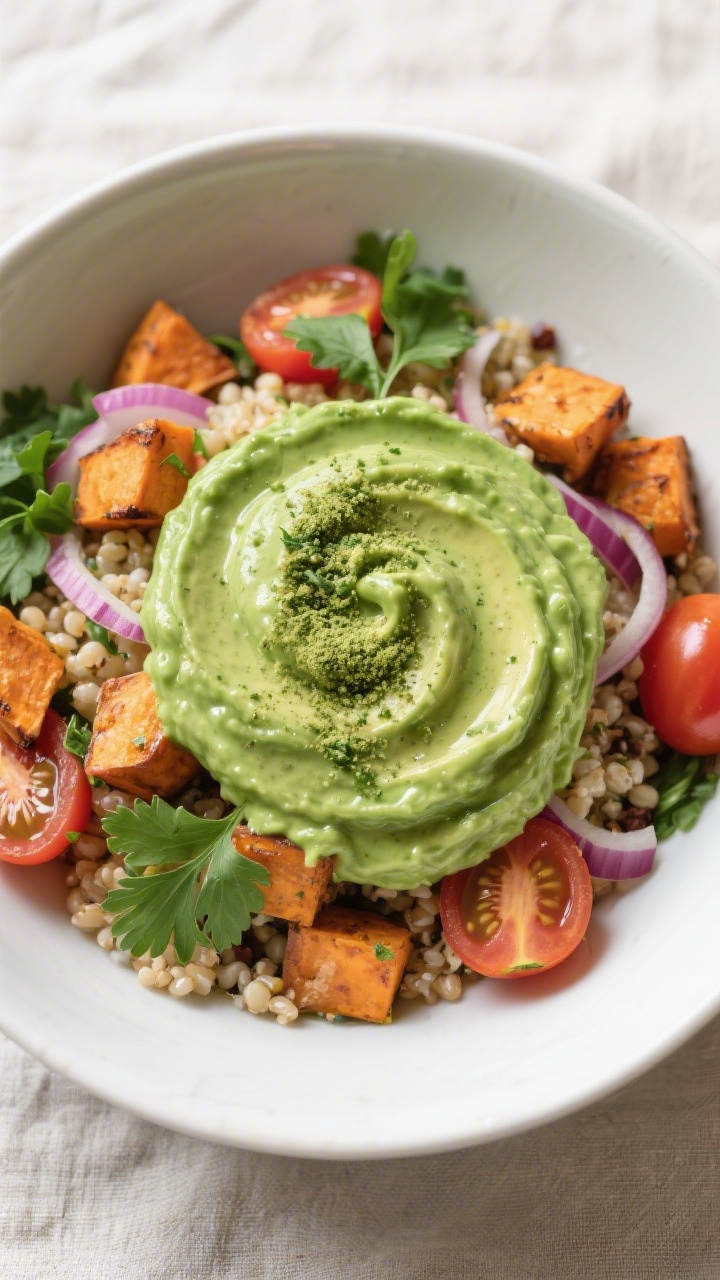
Avocado powder retains much of the fruit’s natural monounsaturated fats, which support heart health. It also provides fiber, helping with fullness and digestion, and a range of micronutrients like potassium, vitamin E, and folate.
Because it’s concentrated, a tablespoon or two can meaningfully boost smoothies, soups, and sauces. Keep in mind that drying can reduce some heat-sensitive vitamins, but the healthy fats and minerals remain robust.
What Not to Do
- Don’t skip the acid. Without lemon or lime juice, the puree browns quickly and the powder turns dull.
- Don’t rush the drying. High heat can scorch oils and produce a bitter, burnt flavor.
- Don’t store warm. Sealing warm powder traps moisture and leads to clumps and spoilage.
- Don’t ignore thickness. Thick layers dry unevenly, leaving gummy centers that won’t grind well.
- Don’t add water later to “fix” clumps. Re-dry instead; water invites mold.
Variations You Can Try
- Herbed Avocado Powder: Blend in dried cilantro or parsley before grinding. Great for taco seasoning and rice bowls.
- Citrus Zest Boost: Add a bit of finely grated dried lime or lemon zest for a bright pop in dressings and seafood rubs.
- Spicy Version: Mix in a pinch of cayenne or smoked paprika for a warm, savory note in popcorn seasoning or roasted veggies.
- Garlic-Lime Savory Blend: Combine with garlic powder, onion powder, and a little salt for an instant guacamole-inspired sprinkle.
- Unsalted “Base” Powder: Keep a plain version on hand for baking and smoothies, and season at the time of use.
FAQ
How do I use avocado powder?
Stir 1–2 tablespoons into smoothies for creaminess without fresh fruit.
Whisk into salad dressings, aioli, or yogurt for a silky texture. Dust over eggs, add to guacamole for thicker body, or blend into pancake or muffin batter for subtle richness.
How do I rehydrate it?
Combine 1 part avocado powder with 1–1.5 parts cool water, then rest 5 minutes to thicken. Adjust to taste with salt, lime, and herbs if you want a quick spread.
The texture won’t be identical to fresh, but it’s smooth and flavorful.
Can I dehydrate without a dehydrator?
Yes. Use your oven’s lowest temperature and keep airflow by cracking the door slightly. Line trays and spread thinly.
Monitor closely to avoid browning at the edges.
Why did my powder turn brown?
Oxidation is the main culprit. Use lemon or lime juice, spread very thinly, and keep temperatures moderate. Store in airtight containers away from light.
Light browning won’t hurt safety but affects color and flavor.
Is the fat content a storage issue?
Avocados contain delicate oils that can go rancid if exposed to heat, air, or light. Keep powder in a cool, dark place, ideally refrigerated or frozen for long-term storage. If it smells paint-like or bitter, discard.
Can I use unripe avocados?
You can, but the flavor will be muted and the texture can be starchier.
Ripe avocados give the best taste and creamy mouthfeel when rehydrated or blended.
Is it safe for babies or people with allergies?
Avocado is generally well tolerated, but always check with a pediatrician for babies and monitor for individual allergies. If adding spices or salt, adjust for age and dietary needs.
What’s a serving size?
Start with 1 tablespoon per serving and increase to taste. Because it’s concentrated, a little goes a long way—especially in dressings and dips.
Can I sweeten it for desserts?
Yes.
Mix with a little powdered sugar or maple sugar for smoothies, mousse, or no-bake treats. Vanilla and cocoa pair especially well with avocado’s creamy profile.
Does it clump over time?
It can, especially in humid environments. Prevent clumps with airtight storage, desiccant packets, and refrigeration.
If clumps form, break them up and briefly redry on low heat before regrinding.
Wrapping Up
Dehydrated avocado powder makes avocado easy: no ripeness roulette, no waste, and plenty of ways to use it. With a few ripe avocados and low heat, you’ll have a bright, buttery powder ready for smoothies, dressings, and quick sauces. Keep a jar in your pantry, and you’ll always have that creamy, green goodness at your fingertips—no last-minute store runs required.
Dehydrated Avocado Powder – A Versatile, Shelf-Stable Avocado Boost
Ingredients
- 3–4 ripe avocados (Hass or similar, with creamy flesh)
- 1–2 tablespoons lemon juice or lime juice (to slow browning)
- Optional: 1/4 teaspoon fine sea salt (per avocado), if you want a seasoned powder
Instructions
- Select ripe avocados. Choose avocados that yield gently to pressure and have no large soft spots or off smells. Slightly firm-but-ripe fruit dehydrates more evenly.
- Prep your workspace. Wash your hands and tools.Line dehydrator trays with nonstick sheets or use parchment on baking sheets if using an oven.
- Halve, pit, and peel. Scoop the flesh into a bowl and discard any bruised or stringy portions.
- Add acid. Stir in lemon or lime juice to coat thoroughly. This slows oxidation and helps the final powder stay greener.
- Optional seasoning. If you want a subtly savory powder, add a small amount of salt now. Keep it minimal so the powder stays versatile.
- Puree smooth. Use a blender or food processor until you get a thick, even puree with no chunks.A smooth puree dries faster and powders better.
- Spread thin. Pour the puree onto lined trays and spread to a uniform 1–2 mm thickness. Thin layers = faster, more even drying.
- Dehydrate low and slow. Dehydrator: 125–135°F (52–57°C) for 6–10 hours.
- Oven: Lowest setting (often 170–200°F / 75–93°C). Prop the door slightly ajar to improve airflow; expect 4–8 hours depending on thickness.
- Flip and finish. Peel off the liner and return the sheet to dry side-up if needed. Continue until fully dry and brittle. No flexibility = done.
- Cool completely. Let the dried sheet cool to room temperature before grinding.Warm pieces can trap condensation and cause clumping.
- Grind to powder. Break into chips and process in a spice grinder or high-speed blender. Pulse until fine. For ultra-smooth powder, sieve and regrind larger bits.
- Condition the powder. Place the powder loosely in a clean jar, fill no more than halfway, and shake once daily for 2–3 days.If clumps form, it wasn’t fully dry—return to the dehydrator briefly.
- Label and store. Note the date and whether it’s salted. Store airtight in a cool, dark spot.
Printable Recipe Card
Want just the essential recipe details without scrolling through the article? Get our printable recipe card with just the ingredients and instructions.