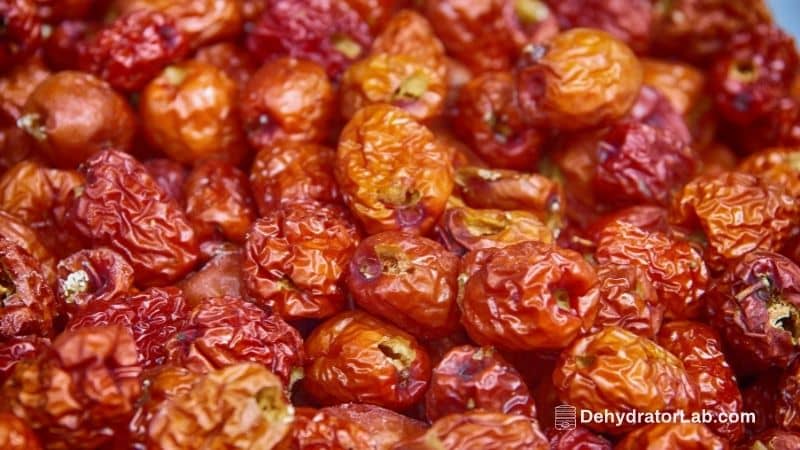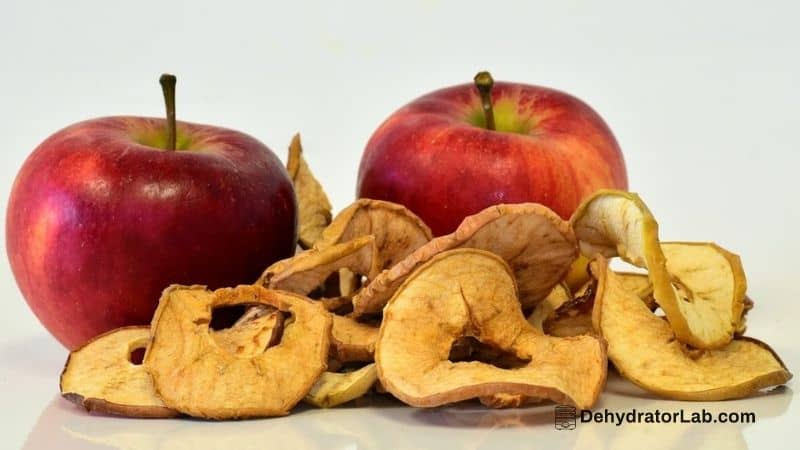
Ever run a batch of onions and apples together and wonder why the apples came out tasting faintly savory? That’s food pairing gone wrong. A few basic rules keep your dehydrator running efficiently and your flavors where they belong.
Certain foods should be dehydrated together, while others require separation. Think of it as keeping peace among culinary siblings, allowing each to shine in its own space.
In this article:
TL;DR (Too Long; Didn’t Read): Key Takeaways
- 🍎 Keep fruits with fruits and vegetables with vegetables — different moisture levels dry at different rates.
- 🧅 Onions, peppers, celery, ginger, and garlic go in their own batch — strong aromatics transfer flavor to everything nearby.
- 🥩 Proteins never share a batch with anything else, for both temperature and food-safety reasons.
- 🍄 Mushrooms dry alone, and the machine gets a full clean afterward to prevent spore transfer.
What Foods to Dehydrate Together (Mix and Match)
Fruits and Vegetables: A Delicate Balance
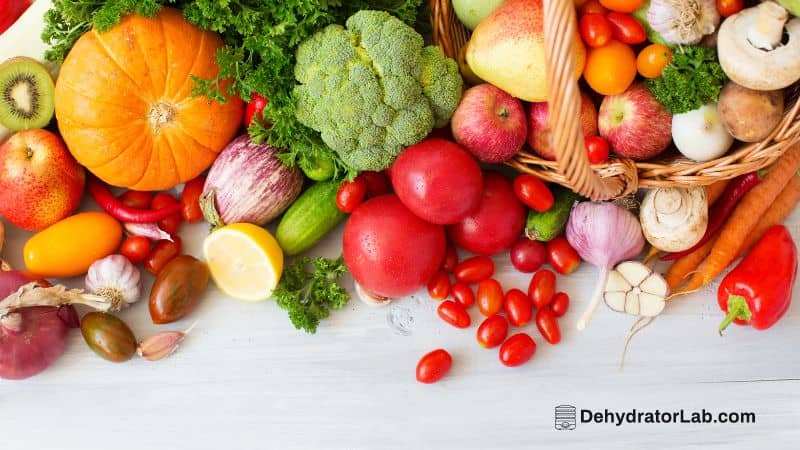
Dehydrate fruits separately from vegetables to avoid uneven drying. Vegetables require a different temperature than fruits, and their moisture levels vary significantly.
Mixing them might result in some foods drying too quickly or too slowly, affecting the overall efficiency.
Aromatics: Intense Flavors Need Their Own Space
Onions, peppers, celery, ginger, and garlic are among the highly aromatic foods that should be dehydrated separately. These strong flavors can transfer to other foods, compromising their taste.
So, even though most aromatics are vegetables, it’s best to separate them from other veggies unless you’re comfortable with some flavor mixing.
Foods to Keep Apart
Proteins: Safety First
Keep proteins separate from all other foods to prevent cross-contamination. Meats require a higher temperature than fruits and vegetables, and mixing raw meat with other foods is not advisable.
Always prioritize safe food handling when dehydrating.
Mushrooms: A Spore-y Situation
Mushrooms should be dehydrated separately from other foods due to the possibility of spore transfer.
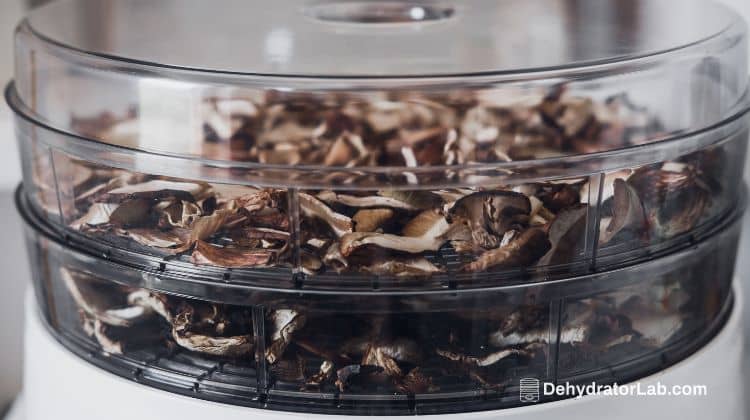
After dehydrating mushrooms, clean your machine thoroughly before dehydrating other foods. It’s the safest and most effective approach.
Dehydration Done Right
Remember to keep similar foods together: fruits with fruits, vegetables with vegetables, and aromatics with aromatics. Jerky and mushrooms should be dehydrated separately as well.
By following these guidelines, you’ll ensure optimal drying results and delicious flavors.
FAQ’s
Can you dehydrate different things at once?
Yes, you can dehydrate different things at once, but ensure they have similar drying times and temperatures.
What foods can you dehydrate together?
You can dehydrate similar foods together, like fruits with fruits and vegetables with vegetables, keeping in mind their moisture content and drying temperatures.
Can you put meat and fruit in a dehydrator together?
No, meat and fruit should not be dehydrated together due to different temperature requirements and the risk of cross-contamination.
Can you dehydrate apples and bananas together?
Should I dehydrate onions and garlic separately?
Yes, onions and garlic should be dehydrated separately due to their strong odors that may transfer to other foods.
Can you dehydrate herbs with other foods?
It’s best to dehydrate herbs separately, as they have a shorter drying time and may lose their flavor if dehydrated with other foods.
Can you dehydrate peppers with other vegetables?
It’s best to dehydrate peppers separately, as their strong aroma can transfer to other vegetables.
Should you dehydrate mushrooms with other foods?
No, mushrooms should be dehydrated separately to prevent spore transfer and potential contamination.
Can you mix different types of fruits when dehydrating?
Yes, you can mix different types of fruits, provided they have similar drying times and temperatures.
Personal Tips You Can Steal
I keep a dedicated tray liner just for mushrooms now, since even a thorough wipe-down doesn’t always catch every spore. I batch my aromatics on a day when I’m not planning to dry anything delicate right after, since the smell lingers in the machine for a few hours even with the door open. And I’ve learned to trust my nose over the clock — if I open the dehydrator and immediately smell onion on a fruit batch, something got mixed that shouldn’t have.
Wrap Up
By following the tips in this article, you can create meals that are both flavorful and nutritious. So next time you’re dehydrating food, be sure to think about how you can pair the foods together to create a meal that’s both delicious and good for you.
With a little planning, you can easily create delicious and nutritious dehydrated meals that will keep you going for months to come.
P.S. When in doubt, run a small test batch first — your nose will tell you fast if two foods didn’t belong together 🙂