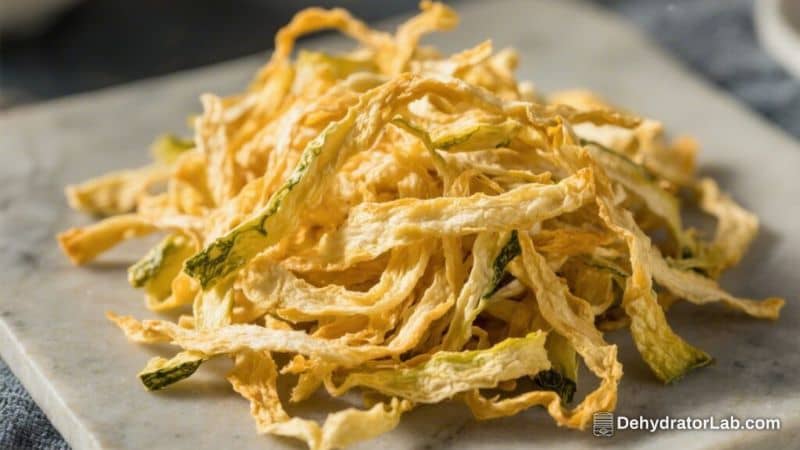
Spaghetti squash is one of those quiet heroes in the kitchen. It’s mild, a little nutty, and turns into golden strands that play well with almost any sauce. Dehydrating those shreds takes it a step further—suddenly, you’ve got a shelf-stable, lightweight ingredient that rehydrates fast and fits into weeknights, camping trips, or meal prep.
This is a smart way to stretch a harvest or make the most of a great sale. And the best part? You get all the comfort of “noodles” without the heaviness.
In this article:
What Makes This Special
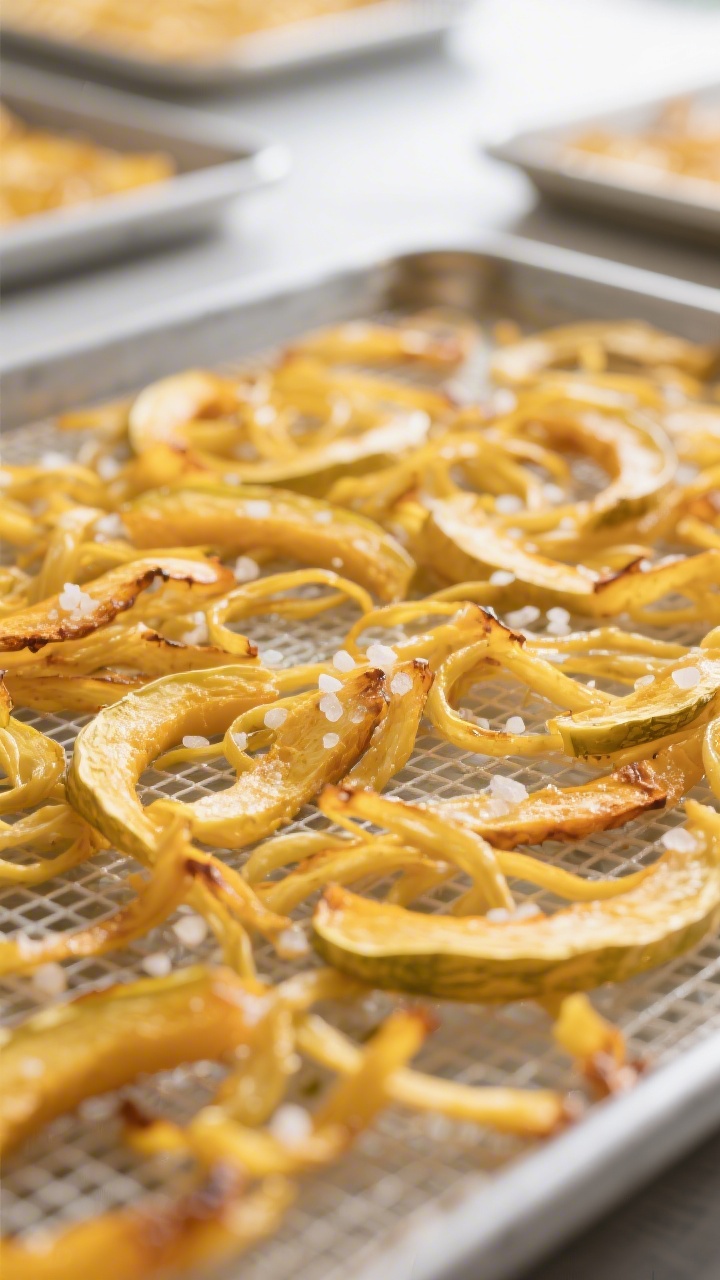
Dehydrated spaghetti squash shreds give you flexibility.
You can cook once, dehydrate, and then have instant veggie “pasta” ready in minutes. They’re lightweight, compact, and long-lasting, which makes them perfect for backpacks, busy schedules, and tiny pantries.
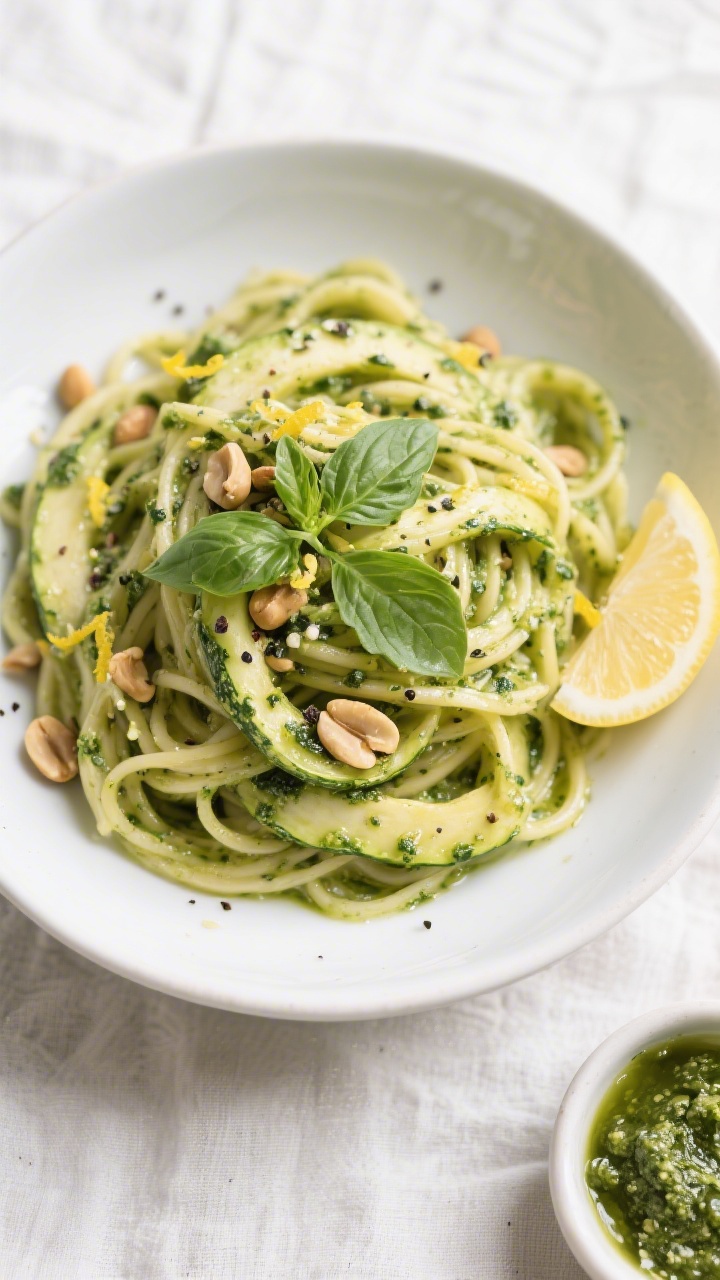
They also soak up flavor like a sponge. Toss with pesto, mix into soups, build a skillet hash, or use them as a quick base under marinara or curry.
If you struggle with last-minute dinner fatigue, this is the kind of staple that saves you.
TL;DR: Key Takeaways
- 🎃 Roast at 400°F (205°C) for 35 to 45 minutes, then dry the shreds at 125°F to 135°F (52°C to 57°C) for 6 to 10 hours.
- 💧 Drain and blot the shreds well before drying — wet shreds dry unevenly and can mold in storage.
- 🫙 Condition 3 to 7 days before storage to catch hidden moisture.
- 💦 Rehydrates fast — boiling water, 5 to 10 minutes, drain and squeeze.
Shopping List
- 1–2 medium spaghetti squash (about 3–4 pounds each)
- 1–2 tablespoons olive oil (optional, for roasting)
- Salt and pepper (optional)
- Optional seasonings: garlic powder, onion powder, Italian seasoning, chili flakes
- Lemon juice (optional, for brightness before dehydrating)
Instructions
- Preheat and prep. Heat your oven to 400°F (205°C). Line a baking sheet with parchment for easy cleanup. Wash the squash and pat it dry.
- Slice safely. Halve the squash lengthwise.
Scoop out the seeds and stringy core with a spoon. If cutting is tough, microwave the whole squash for 3–4 minutes to soften the rind first.
- Season lightly. Rub the cut sides with a little olive oil, if using. Sprinkle with salt and pepper.
Keep it simple—heavy seasoning can concentrate as it dries.
- Roast cut-side down. Place the squash halves cut-side down on the sheet. Roast 35–45 minutes, until the rind yields when pressed and the flesh pulls into strands with a fork.
- Cool and shred. Let the squash cool until comfortable to handle. Use a fork to pull the flesh into long shreds.
Keep the strands as intact as possible for better texture later.
- Drain excess moisture. Transfer the shreds to a colander. Let them sit 10–15 minutes. For best results, gently press with paper towels or a clean kitchen towel to remove surface moisture.
Less water means faster, safer dehydration.
- Optional seasoning boost. If you want a neutral product, leave the shreds plain. For extra flavor, toss with a squeeze of lemon and a whisper of garlic or Italian seasoning. Use a light hand—over-seasoned shreds limit versatility.
- Load your dehydrator. Spread the shreds in thin, even layers on dehydrator trays lined with mesh or parchment.
Avoid clumps. Aim for no more than 1/2 inch thick.
- Dehydrate at the right temp. Dry at 125–135°F (52–57°C) for 6–10 hours. Time varies with thickness, humidity, and your machine.
Rotate trays halfway if your dehydrator has hot spots.
- Check for doneness. Shreds should be dry, brittle, and slightly translucent with no tackiness. If they bend or feel leathery, keep drying.
- Condition the batch. Let the shreds cool completely. Place them in a large jar about three-quarters full.
Seal and let sit for 3–7 days, shaking daily. If you see condensation, return them to the dehydrator. Conditioning prevents hidden moisture from spoiling your stash.
- Package for storage. Once fully dry and conditioned, store in airtight containers or vacuum-sealed bags.
Label with the date.
Storage Instructions
- Short term: Airtight jar in a cool, dark pantry for up to 6–9 months.
- Long term: Vacuum-sealed bags with an oxygen absorber can last 12–18 months. Avoid heat and light.
- Freezer option: For maximum quality, freeze sealed portions. They’ll last 2+ years with minimal flavor loss.
- Refrigeration: Not necessary and can introduce moisture; pantry or freezer is better.

Why This is Good for You
Spaghetti squash is naturally low in calories and carbs but still gives you that twirlable, noodle-like feel.
You’re getting fiber for digestion, potassium for fluid balance, and vitamins A and C for immune and skin support. Dehydrating concentrates flavors without added fats or sugars.
It’s also a practical wellness tool. When wholesome ingredients are ready to go, you’re less tempted to default to heavy takeout or ultra-processed options.
Quick rehydration means healthy meals come together in minutes.
Pitfalls to Watch Out For
- Too much moisture going in: If the shreds are wet, they’ll dry unevenly and can mold in storage. Drain well and blot.
- Overcrowded trays: Thick layers trap steam. Spread the shreds thinly for even drying.
- Stopping too soon: Leathery equals not done.
Aim for brittle. Condition after drying to be sure.
- Heavy seasoning before drying: Intense flavors can overpower dishes later. Keep it neutral unless you’re making a specific blend.
- Skipping labels: Date and note any seasoning.
You’ll thank yourself in a few months.
Recipe Variations
- Herbed Shreds: Toss lightly with Italian seasoning, a pinch of garlic powder, and lemon zest before drying. Great for quick skillet meals.
- Smoky Chili Shreds: Add smoked paprika, chili flakes, and a touch of cumin. Pair with black beans and salsa after rehydration.
- Citrus-Ginger: A whisper of grated ginger and lemon zest brightens brothy soups and stir-fries.
- Parmesan Dust (after rehydration): Keep the dehydrated shreds plain, then finish the rehydrated squash with grated Parmesan and black pepper.
- Garden Blend: Dry with tiny amounts of minced parsley or chives.
Keep herbs sparse to prevent clumping.
FAQ
How do I rehydrate the shreds?
Pour boiling water over the dried shreds to cover. Let sit 5–10 minutes, then drain and squeeze gently to remove excess water. For soups and saucy dishes, you can add them straight in and let them plump as they simmer.
What’s the ratio of dry to rehydrated?
Expect about a 3:1 volume return.
One cup of dried shreds yields roughly three cups rehydrated, depending on how tightly they were packed during storage.
Can I dehydrate in the oven instead?
Yes. Set your oven to its lowest temperature (ideally 170–200°F/75–93°C). Spread shreds on parchment-lined sheets and prop the door slightly ajar to release moisture.
Rotate pans and check frequently. It can take 3–5 hours or more, depending on your oven.
Do I have to roast the squash first?
Roasting develops flavor and keeps strands defined. Steaming or microwaving works, but you may get a wetter texture that takes longer to dry.
If you steam, press out extra moisture thoroughly.
Why are my dehydrated shreds sticky?
They’re not fully dry. Return them to the dehydrator until they’re brittle and no longer tacky. After cooling, condition in a jar for a few days to ensure even dryness.
How long will they keep?
In a cool, dark pantry, 6–9 months is typical.
Vacuum sealing extends that to 12–18 months. For the longest life, store sealed portions in the freezer.
What can I make with them?
Use as a base for marinara, pesto, or Alfredo-style sauces. Stir into soups, ramen, or chili to add body.
Pan-fry rehydrated shreds with eggs for a quick hash. They also work well in casseroles and grain bowls.
Can I dehydrate seasoned sauces on the shreds?
Light seasoning is fine, but heavy, oily sauces slow drying and reduce shelf life. It’s usually better to keep shreds plain and add sauces after rehydration.
Are they gluten-free and low-carb?
Yes.
Spaghetti squash is naturally gluten-free and lower in carbs than traditional pasta, making it a good option for many dietary needs.
Do I need to blanch the shreds before dehydrating?
No. Roasting cooks the squash and prepares the strands for drying. Just make sure you remove extra moisture and dry until brittle.
Personal Tips You Can Steal
I keep the seasoning off entirely until after rehydrating — a plain jar of shreds works for marinara one night and a stir-fry the next, and you lose that flexibility the moment you dry in Italian seasoning. When roasting, I go a few minutes past “fork tender” so the strands hold together better once they’re dried and rehydrated; slightly underdone squash tends to fall apart into mush instead of noodle-like strands.
Final Thoughts
Dehydrated spaghetti squash shreds are a simple project with a big payoff.
They free up fridge space, cut weeknight stress, and make healthy meals more likely. With a neutral base and quick rehydration, they slip into any cuisine you’re craving. Keep a jar on hand, and you’ll always have an easy, veggie-forward foundation ready to go.
P.S. Rehydrate straight in a simmering sauce instead of soaking first when you’re short on time — they’ll plump up in the pot just fine and you skip a step. 🙂
Dehydrated Spaghetti Squash Shreds – Light, Versatile, and Ready for Anything
Ingredients
- 1–2 medium spaghetti squash (about 3–4 pounds each)
- 1–2 tablespoons olive oil (optional, for roasting)
- Salt and pepper (optional)
- Optional seasonings: garlic powder, onion powder, Italian seasoning, chili flakes
- Lemon juice (optional, for brightness before dehydrating)
Instructions
- Preheat and prep. Heat your oven to 400°F (205°C). Line a baking sheet with parchment for easy cleanup. Wash the squash and pat it dry.
- Slice safely. Halve the squash lengthwise.Scoop out the seeds and stringy core with a spoon. If cutting is tough, microwave the whole squash for 3–4 minutes to soften the rind first.
- Season lightly. Rub the cut sides with a little olive oil, if using. Sprinkle with salt and pepper.Keep it simple—heavy seasoning can concentrate as it dries.
- Roast cut-side down. Place the squash halves cut-side down on the sheet. Roast 35–45 minutes, until the rind yields when pressed and the flesh pulls into strands with a fork.
- Cool and shred. Let the squash cool until comfortable to handle. Use a fork to pull the flesh into long shreds.Keep the strands as intact as possible for better texture later.
- Drain excess moisture. Transfer the shreds to a colander. Let them sit 10–15 minutes. For best results, gently press with paper towels or a clean kitchen towel to remove surface moisture.Less water means faster, safer dehydration.
- Optional seasoning boost. If you want a neutral product, leave the shreds plain. For extra flavor, toss with a squeeze of lemon and a whisper of garlic or Italian seasoning. Use a light hand—over-seasoned shreds limit versatility.
- Load your dehydrator. Spread the shreds in thin, even layers on dehydrator trays lined with mesh or parchment.Avoid clumps. Aim for no more than 1/2 inch thick.
- Dehydrate at the right temp. Dry at 125–135°F (52–57°C) for 6–10 hours. Time varies with thickness, humidity, and your machine.Rotate trays halfway if your dehydrator has hot spots.
- Check for doneness. Shreds should be dry, brittle, and slightly translucent with no tackiness. If they bend or feel leathery, keep drying.
- Condition the batch. Let the shreds cool completely. Place them in a large jar about three-quarters full.Seal and let sit for 3–7 days, shaking daily. If you see condensation, return them to the dehydrator. Conditioning prevents hidden moisture from spoiling your stash.
- Package for storage. Once fully dry and conditioned, store in airtight containers or vacuum-sealed bags.Label with the date.
Related reading: dehydrated shallot powder, dehydrated cooked ground beef, and dehydrator reviews.
Printable Recipe Card
Want just the essential recipe details without scrolling through the article? Get our printable recipe card with just the ingredients and instructions.