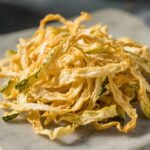
Dehydrated Spaghetti Squash Shreds - Light, Versatile, and Ready for Anything
Servings 6 servings
Ingredients
- 1–2 medium spaghetti squash (about 3–4 pounds each)
- 1–2 tablespoons olive oil (optional, for roasting)
- Salt and pepper (optional)
- Optional seasonings: garlic powder, onion powder, Italian seasoning, chili flakes
- Lemon juice (optional, for brightness before dehydrating)
Instructions
- Preheat and prep. Heat your oven to 400°F (205°C). Line a baking sheet with parchment for easy cleanup. Wash the squash and pat it dry.
- Slice safely. Halve the squash lengthwise. Scoop out the seeds and stringy core with a spoon. If cutting is tough, microwave the whole squash for 3–4 minutes to soften the rind first.
- Season lightly. Rub the cut sides with a little olive oil, if using. Sprinkle with salt and pepper. Keep it simple—heavy seasoning can concentrate as it dries.
- Roast cut-side down. Place the squash halves cut-side down on the sheet. Roast 35–45 minutes, until the rind yields when pressed and the flesh pulls into strands with a fork.
- Cool and shred. Let the squash cool until comfortable to handle. Use a fork to pull the flesh into long shreds. Keep the strands as intact as possible for better texture later.
- Drain excess moisture. Transfer the shreds to a colander. Let them sit 10–15 minutes. For best results, gently press with paper towels or a clean kitchen towel to remove surface moisture. Less water means faster, safer dehydration.
- Optional seasoning boost. If you want a neutral product, leave the shreds plain. For extra flavor, toss with a squeeze of lemon and a whisper of garlic or Italian seasoning. Use a light hand—over-seasoned shreds limit versatility.
- Load your dehydrator. Spread the shreds in thin, even layers on dehydrator trays lined with mesh or parchment. Avoid clumps. Aim for no more than 1/2 inch thick.
- Dehydrate at the right temp. Dry at 125–135°F (52–57°C) for 6–10 hours. Time varies with thickness, humidity, and your machine. Rotate trays halfway if your dehydrator has hot spots.
- Check for doneness. Shreds should be dry, brittle, and slightly translucent with no tackiness. If they bend or feel leathery, keep drying.
- Condition the batch. Let the shreds cool completely. Place them in a large jar about three-quarters full. Seal and let sit for 3–7 days, shaking daily. If you see condensation, return them to the dehydrator. Conditioning prevents hidden moisture from spoiling your stash.
- Package for storage. Once fully dry and conditioned, store in airtight containers or vacuum-sealed bags. Label with the date.