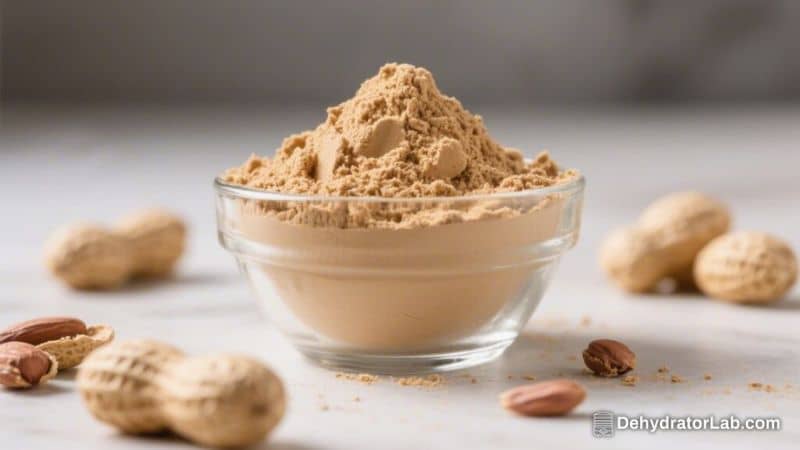
If you love a good pasta night but hate lugging jars or dealing with fridge space, dehydrated pasta sauce is a smart solution. It’s a dry mix of tomatoes, aromatics, and herbs that springs back to life with a little water and oil. You get bold, homemade flavor on demand—perfect for camping, busy weeknights, and light packing.
The best part? You can customize it to your taste and store it for months. Once you try it, you’ll want a jar in your pantry at all times.
In this article:
What Makes This Recipe So Good
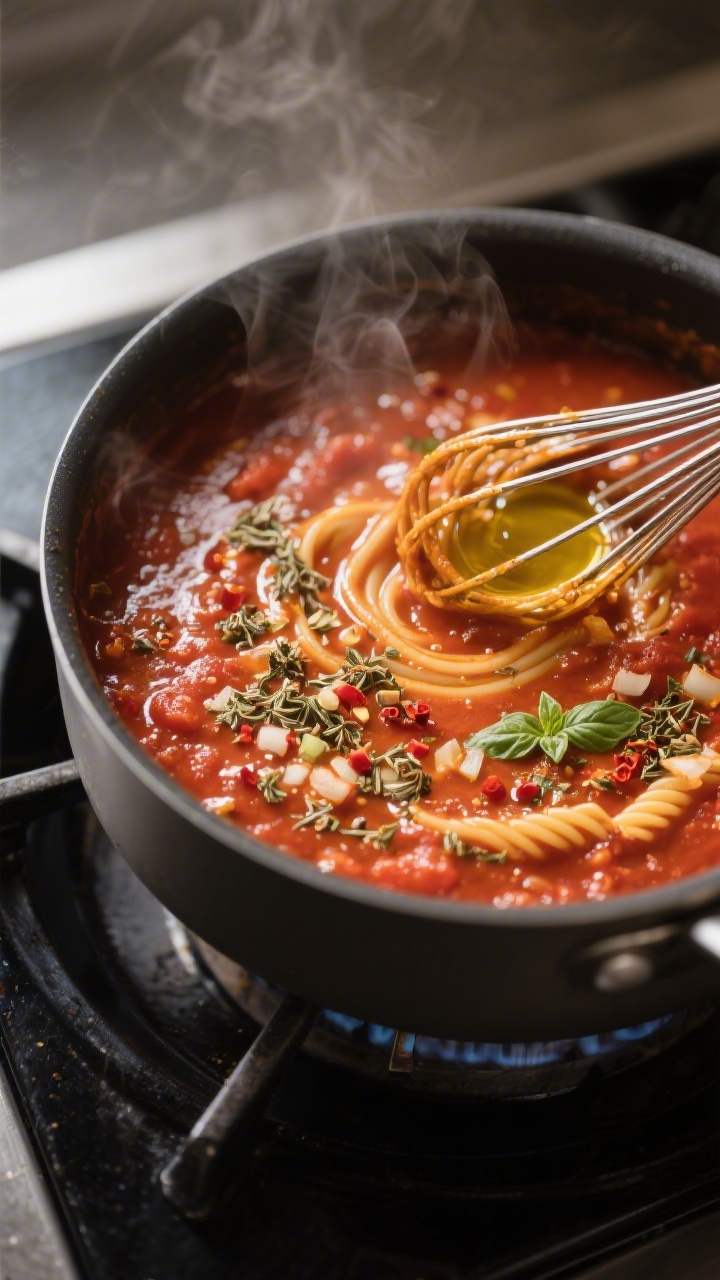
- Convenience you can trust: This dry mix lives in your pantry, ready to become sauce in 5–10 minutes.
- Real ingredients, real flavor: No weird additives—just tomatoes, herbs, garlic, and a few pantry staples.
- Lightweight and portable: Great for camping, backpacking, road trips, and dorm cooking.
- Customizable heat and sweetness: Adjust chili flakes, sugar, and herbs to match your favorite jarred sauce.
- Versatile beyond pasta: Use it as pizza sauce, a base for shakshuka, or a quick dip for mozzarella sticks.
TL;DR: Key Takeaways
- 🍅 It’s a dry mix built around tomato powder — no dehydrating tomatoes yourself required.
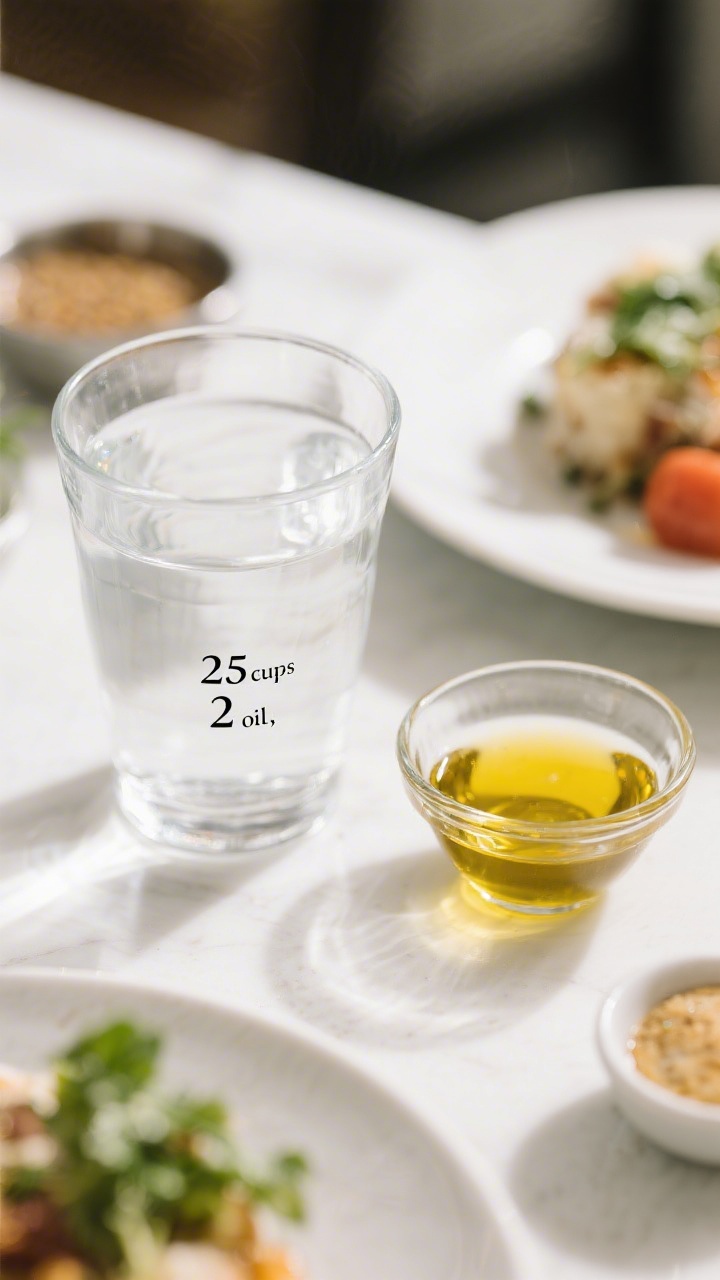
- 💧 Rehydrate with 1/2 cup mix + 1.25 cups water + 2 tbsp oil, simmered 4 to 6 minutes.
- 🍕 For pizza sauce, use less water (about 1 cup per 1/2 cup mix) for a thicker spread.
- 🫙 Dry mix keeps 3 to 4 months in the pantry for best flavor, up to a year frozen.
What You’ll Need
- Tomato powder (3/4 cup): The backbone of the sauce.
Look for 100% tomato powder, not soup mix.
- Dried minced onion (2 tablespoons): Adds sweetness and body.
- Garlic powder or granulated garlic (2 teaspoons): Choose granulated for better blending.
- Dried basil (2 teaspoons): Classic Italian flavor.
- Dried oregano (1.5 teaspoons): Earthy and familiar.
- Red pepper flakes (1/2 teaspoon, optional): For a gentle kick.
- Sugar (2 teaspoons): Balances acidity. Sub with a pinch of honey when rehydrating if you prefer.
- Kosher salt (1.25 teaspoons) and black pepper (1/2 teaspoon): Season to taste.
- Dried parsley (1 teaspoon, optional): Fresh finish and color.
- Citric acid (1/4 teaspoon, optional): Brightens and supports shelf life.
- Olive oil (for rehydrating, 2–3 tablespoons per batch): Adds richness and mouthfeel.
- Water or low-sodium broth (about 1.25–1.5 cups for a medium-thick sauce): Adjust for desired consistency.
Instructions
- Make the dry mix: In a medium bowl, whisk tomato powder, dried onion, garlic, basil, oregano, red pepper flakes, sugar, salt, pepper, parsley, and citric acid until evenly combined.
- Package it up: Transfer the mix to an airtight jar or a zip-top bag. Label with “Dehydrated Pasta Sauce,” the date, and rehydration directions.
- Rehydrate for stovetop: In a saucepan, whisk 1/2 cup dry mix with 1.25 cups water and 2 tablespoons olive oil.
Bring to a gentle simmer over medium heat, stirring. Cook 4–6 minutes until smooth and slightly thick. Add more water if you want it looser.
- Adjust to taste: Taste and add a pinch more salt, sugar, or red pepper if needed.
For a sweeter, rounder sauce, stir in an extra teaspoon of olive oil or a splash of broth.
- For camping or backpacking: Add 1/2 cup dry mix to a pot or mug. Pour in 1.25 cups boiling water and 1–2 tablespoons oil (or a pat of butter). Stir, cover, and let sit 5 minutes.
Stir again and serve.
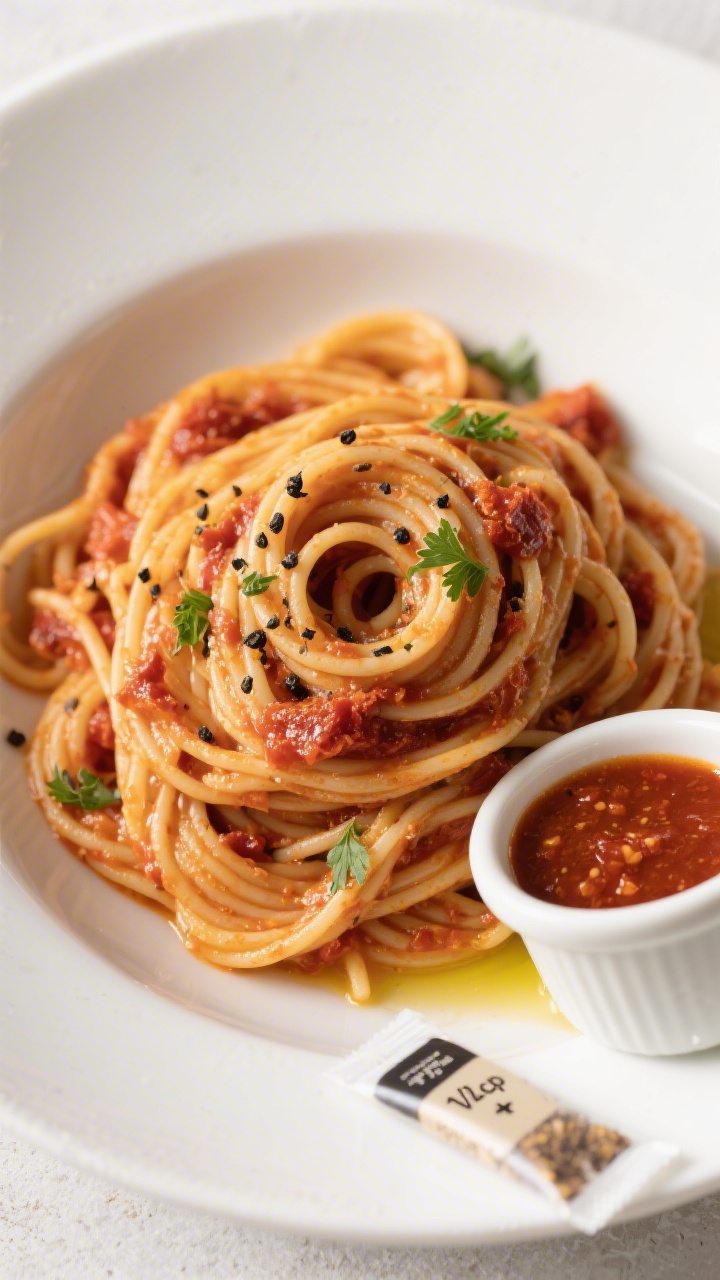
- Serve: Toss with hot pasta, spread on pizza dough, or spoon over meatballs. This makes enough for about 12–16 ounces of pasta, depending on how saucy you like it.
Keeping It Fresh
- Storage: Keep the dry mix in an airtight container in a cool, dark place for up to 6 months. For best flavor, use within 3–4 months.
- Moisture control: Add a food-safe desiccant packet to jars, especially if you live in a humid climate.
- Freezer option: For long-term storage, freeze the dry mix in a sealed bag.
It won’t clump and will last up to a year.
- Batching: Scale up the mix and divide into single-use packets for quick weeknight cooking.
- Label clearly: Note the water-to-mix ratio: “1/2 cup mix + 1.25 cups water + 2 tbsp oil.”
Benefits of This Recipe
- Time-saving: Dinner comes together in minutes without chopping or simmering for hours.
- Budget-friendly: Tomato powder and dried herbs cost less per serving than quality jarred sauce.
- Space-efficient: One small jar of mix can replace multiple jars of sauce.
- Custom flavor: Tweak sweetness, heat, and herb levels each time you make it.
- Reduced waste: Make only what you need and skip half-used jars lingering in the fridge.
What Not to Do
- Don’t skip the oil: It’s key for body and flavor. Without it, the sauce can taste flat and dusty.
- Don’t overheat: Boiling hard can scorch tomato powder and turn the sauce bitter. Gentle simmer only.
- Don’t store rehydrated sauce at room temp: Once mixed with water and oil, keep leftovers in the fridge and use within 3–4 days.
- Don’t overload the salt early: Rehydrate first, then season.
Tomato powders vary in intensity.
- Don’t forget to taste: A pinch of sugar or squeeze of lemon can balance acidity if your tomatoes are sharp.
Alternatives
- Umami boost: Add 1–2 teaspoons nutritional yeast or finely ground sun-dried tomato for deeper flavor.
- Herb swap: Try Italian seasoning, thyme, or fennel seed for a sausage-style profile.
- Heat levels: Use Calabrian chili flakes or smoked paprika for warmth without harshness.
- Creamy version: Stir in 2–3 tablespoons milk powder to the dry mix. Rehydrate as usual, then add a splash more water for a silky pink sauce.
- Garlic-forward: Replace part of the water with garlic-infused oil when rehydrating.
- Low-sodium: Cut the salt in half in the mix and adjust at the end.
- No tomato powder? Use finely ground, unsalted freeze-dried tomatoes. Blend to a powder and measure as directed.
FAQ
Can I use this as pizza sauce?
Yes.
Rehydrate with slightly less water (about 1 cup per 1/2 cup mix) for a thicker spread. Let it cool before topping your dough.
How long does the dry mix last?
Stored airtight in a cool, dark pantry, it stays fresh for up to 6 months. For best flavor, aim to use it within 3–4 months or freeze for longer storage.
Is tomato paste powder the same as tomato powder?
They’re similar, but paste powder is more concentrated and sometimes sweeter.
If using it, start with a little less and add water to taste.
Can I make it without sugar?
Absolutely. Skip the sugar and add a splash of broth or a tiny pinch of baking soda to soften acidity. Taste as you go.
What if my sauce is too thin?
Simmer a few minutes longer to reduce.
If it’s still thin, whisk in an extra tablespoon of tomato powder and cook 1–2 minutes.
Can I add meat?
Yes. Brown ground beef, turkey, or sausage first. Rehydrate the sauce in the same pan, scraping up the browned bits for extra flavor.
Is it gluten-free?
Yes, as written.
Just confirm your tomato powder and spices are certified gluten-free if needed.
Can I use boiling water only, no cook?
You can. Pour boiling water over the mix with oil, cover, and rest 5–7 minutes. Stir well.
Stovetop simmering gives a smoother, richer finish, but the no-cook method works in a pinch.
Personal Tips You Can Steal
I make a double batch of the dry mix every time and portion it into single-use bags right away — future me never wants to measure out spices on a Tuesday night when dinner needs to happen fast. If your tomato powder runs sharp, don’t skip the sugar in the mix; it’s a small amount but it rounds out the acidity a lot more than you’d expect from just two teaspoons.
Final Thoughts
Dehydrated pasta sauce is an easy, reliable way to get rich, homemade flavor without the mess or weight of a jar. It stores well, travels light, and adapts to whatever you’re cooking. Keep a batch in your pantry, a packet in your backpack, and a note with your favorite water ratio.
When dinner time sneaks up, you’ll be ready with a sauce that tastes like you planned it all along.

P.S. Tuck a packet of this in your car’s glovebox or your camping bin — it’s the kind of thing you forget about until you desperately need a real dinner with zero notice. 🙂

Dehydrated Pasta Sauce – A Handy Staple for Easy, Flavorful Meals
Ingredients
- Tomato powder (3/4 cup): The backbone of the sauce.Look for 100% tomato powder, not soup mix.
- Dried minced onion (2 tablespoons): Adds sweetness and body.
- Garlic powder or granulated garlic (2 teaspoons): Choose granulated for better blending.
- Dried basil (2 teaspoons): Classic Italian flavor.
- Dried oregano (1.5 teaspoons): Earthy and familiar.
- Red pepper flakes (1/2 teaspoon, optional): For a gentle kick.
- Sugar (2 teaspoons): Balances acidity. Sub with a pinch of honey when rehydrating if you prefer.
- Kosher salt (1.25 teaspoons) and black pepper (1/2 teaspoon): Season to taste.
- Dried parsley (1 teaspoon, optional): Fresh finish and color.
- Citric acid (1/4 teaspoon, optional): Brightens and supports shelf life.
- Olive oil (for rehydrating, 2–3 tablespoons per batch): Adds richness and mouthfeel.
- Water or low-sodium broth (about 1.25–1.5 cups for a medium-thick sauce): Adjust for desired consistency.
Instructions
- Make the dry mix: In a medium bowl, whisk tomato powder, dried onion, garlic, basil, oregano, red pepper flakes, sugar, salt, pepper, parsley, and citric acid until evenly combined.
- Package it up: Transfer the mix to an airtight jar or a zip-top bag. Label with “Dehydrated Pasta Sauce,” the date, and rehydration directions.
- Rehydrate for stovetop: In a saucepan, whisk 1/2 cup dry mix with 1.25 cups water and 2 tablespoons olive oil.Bring to a gentle simmer over medium heat, stirring. Cook 4–6 minutes until smooth and slightly thick. Add more water if you want it looser.
- Adjust to taste: Taste and add a pinch more salt, sugar, or red pepper if needed.For a sweeter, rounder sauce, stir in an extra teaspoon of olive oil or a splash of broth.
- For camping or backpacking: Add 1/2 cup dry mix to a pot or mug. Pour in 1.25 cups boiling water and 1–2 tablespoons oil (or a pat of butter). Stir, cover, and let sit 5 minutes.Stir again and serve.
- Serve: Toss with hot pasta, spread on pizza dough, or spoon over meatballs. This makes enough for about 12–16 ounces of pasta, depending on how saucy you like it.
Related reading: rosemary sea salt dehydrated, dehydrated chili backpacking meal, and best vacuum sealer.
Printable Recipe Card
Want just the essential recipe details without scrolling through the article? Get our printable recipe card with just the ingredients and instructions.