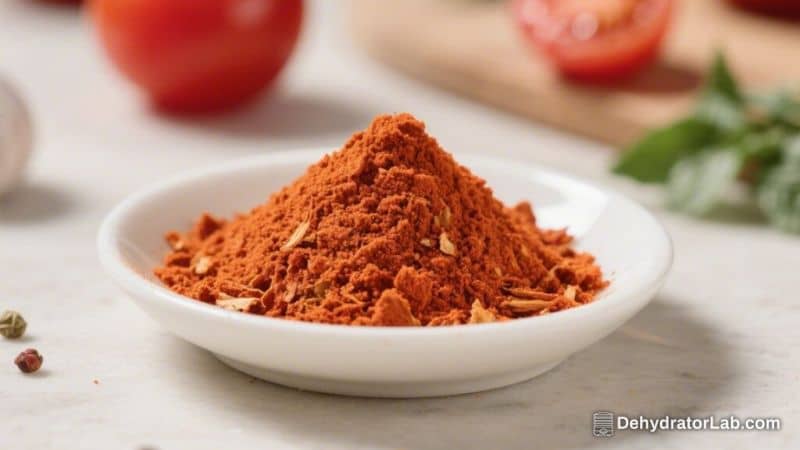
Tomato powder is the kind of ingredient you’ll wonder how you lived without. It’s bright, savory, and adds instant depth to soups, sauces, and marinades. You can make it with fresh tomatoes or use leftover skins from canning or sauce-making.
It’s also a great way to save space and extend the life of peak-season tomatoes. Once you have a jar on the shelf, weeknight cooking gets a lot easier—and tastier.
In this article:
What Makes This Special
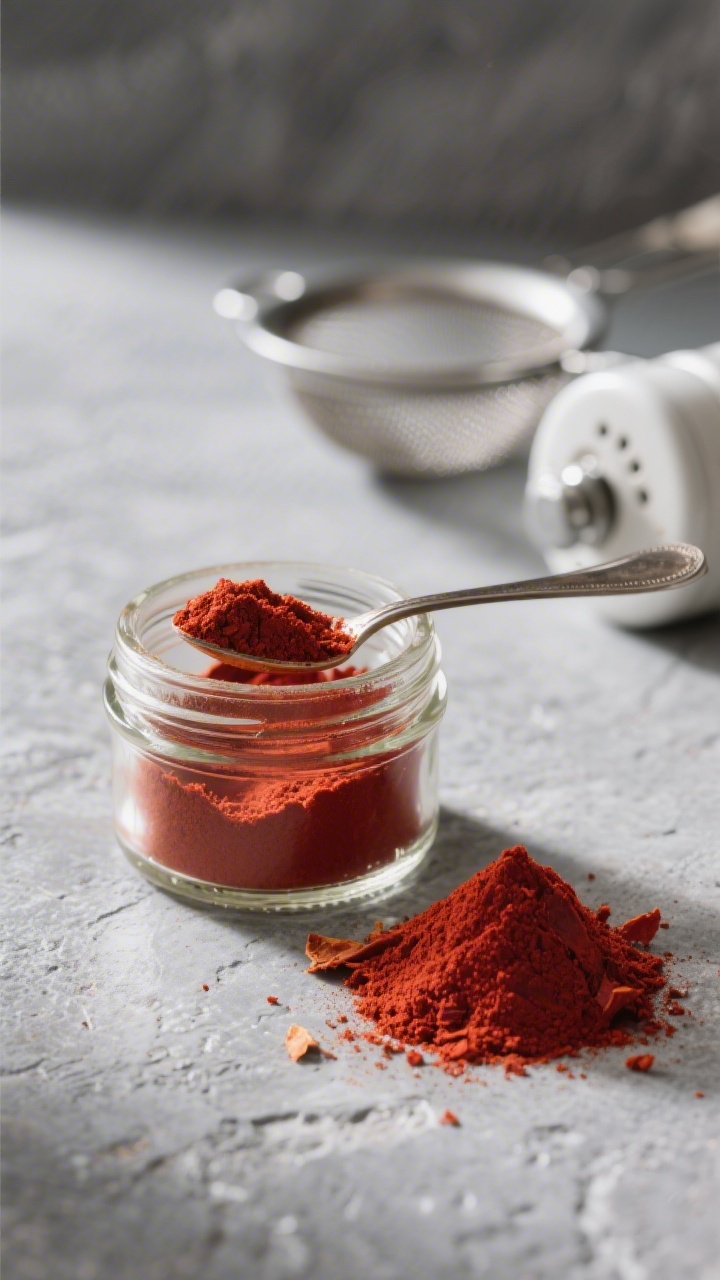
This tomato powder is all about big flavor in a small spoonful. It captures the essence of ripe tomatoes without the water, so every pinch packs a punch.
It’s versatile: whisk it into salad dressings, sprinkle it on roasted vegetables, or use it as a dry rub base. You can even make instant tomato paste or sauce by adding water.
It’s also budget-friendly and helps prevent waste. Have tomatoes that are a bit soft or skins from another recipe?
Turn them into something useful and shelf-stable. Plus, the process is simple and doesn’t require special skills—just time and a dehydrator or oven.
Shopping List
- Ripe tomatoes (Roma, plum, or any meaty variety; start with 3–5 pounds for a good yield)
- Salt (optional, for enhancing flavor)
- Citric acid or lemon juice (optional, a pinch for brightness)
- Garlic powder, onion powder, or dried herbs (optional, for blending into seasoning mixes)
Instructions
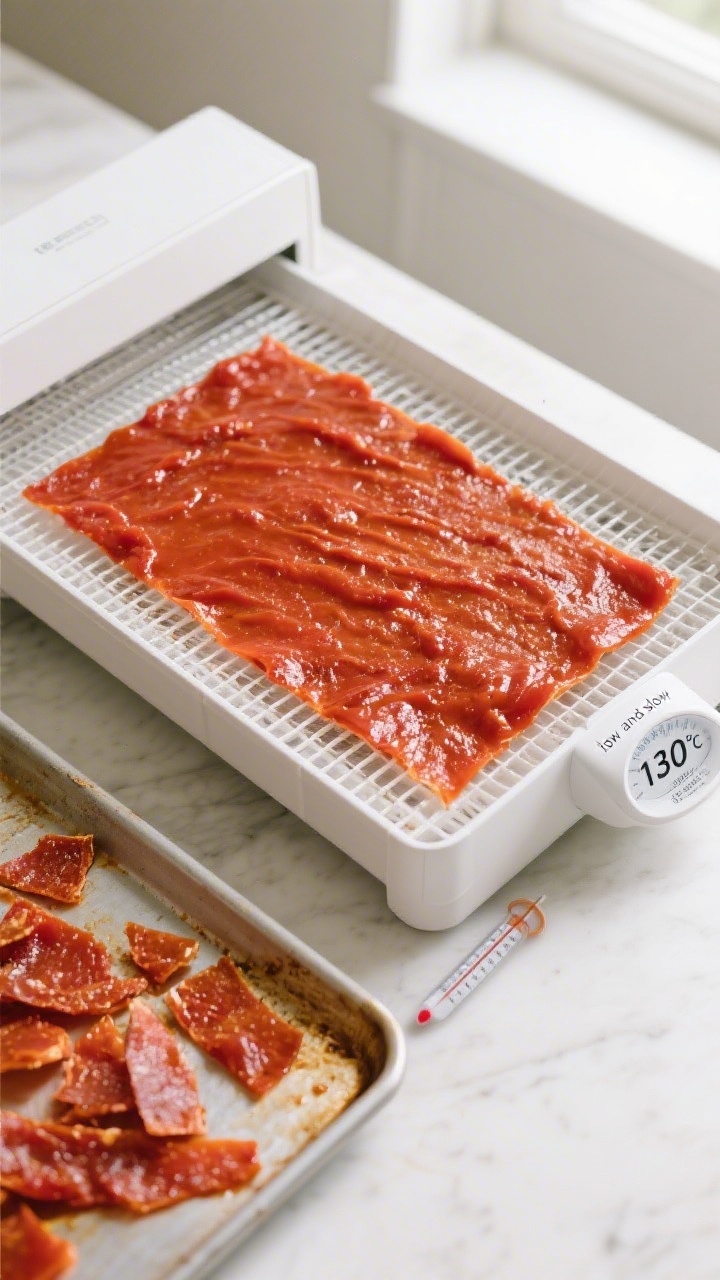
- Prep the tomatoes. Wash and dry them well. Core out the stem and remove any blemishes.
If using juicy slicing tomatoes, consider seeding to speed up drying.
- Choose your method. You can dehydrate raw slices or cooked puree. Raw keeps a fresher flavor; cooked yields a deeper, sweeter taste.
- For raw slices: Slice tomatoes 1/4 inch thick. Lay them in a single layer on dehydrator trays or parchment-lined baking sheets.
Avoid overlap.
- For cooked puree: Roughly chop tomatoes, simmer 20–30 minutes until reduced, then blend smooth. Spread a thin, even layer (like fruit leather) onto nonstick dehydrator sheets or lined pans.
- Dehydrate. Set the dehydrator to 125–135°F (52–57°C). For oven drying, set to the lowest temperature and prop the door open slightly for airflow.
Dry until the pieces are brittle and snap cleanly. Slices usually take 8–12 hours; puree sheets may take 6–10 hours, depending on thickness and humidity.
- Cool completely. Let the dried tomatoes come to room temperature on the trays. This prevents condensation in your grinder.
- Grind to a powder. Use a spice grinder, high-speed blender, or a clean coffee grinder.
Work in small batches until you get a fine, even powder.
- Sift and regrind. Pass the powder through a fine mesh sieve. Return any larger bits to the grinder. This gives a smooth, consistent texture.
- Optional seasoning. Stir in a small pinch of salt, a touch of citric acid, or blend with garlic/onion powder for a custom seasoning.
Keep it simple so it stays versatile.
- Condition the powder. For best shelf life, loosely fill a jar and let it sit 1–2 days, shaking once daily. If clumps form or moisture appears, dehydrate the powder again on a tray lined with parchment for 30–60 minutes at low heat, then cool and regrind.
- Label and store. Transfer to an airtight jar, label with the date, and store properly (see below).
How to Store
- Use a tight-sealing glass jar or vacuum-sealed bag to keep out moisture and air.
- Store in a cool, dark place away from heat and sunlight to protect color and flavor.
- Add a desiccant packet if you live in a humid climate.
- For longest life, keep a working jar in the pantry and the rest in the freezer. Properly dried and stored, it can last 12–18 months with excellent flavor.

Benefits of This Recipe
- Space-saving: A pound of tomatoes reduces to just a few tablespoons of powder.
- Quick flavor boost: Stir into soups, stews, beans, and curries for instant umami.
- Waste reduction: Turn tomato scraps and skins into something useful.
- Customizable: Control salt, sweetness, and seasoning to fit your taste or dietary needs.
- Consistent results: No more watery sauces—powder thickens and seasons at the same time.
Common Mistakes to Avoid
- Not drying fully: If the tomatoes bend instead of snap, keep drying.
Any residual moisture can lead to spoilage.
- Skipping the cooling step: Grinding warm pieces can create condensation and clumping.
- Using too high heat: High oven temps can brown the tomatoes and dull the flavor. Keep it low and slow.
- Thick puree layers: Spread thin and even; thick spots dry unevenly and take much longer.
- Storing without conditioning: A brief conditioning period helps prevent hidden moisture from ruining a whole jar.
Variations You Can Try
- Smoky Tomato Powder: Blend in a pinch of smoked paprika or chipotle powder for a barbecue-friendly seasoning.
- Italian Blend: Mix tomato powder with dried basil, oregano, garlic powder, and a touch of fennel. Great on roasted veggies and pizza.
- Chili-Tomato Rub: Combine with ancho chili powder, cumin, black pepper, and a little brown sugar for grilled meats or tofu.
- Fire-Roasted Style: Lightly roast tomatoes under the broiler before dehydrating for a deeper, charred note.
- Umami Boost: Add a pinch of mushroom powder or nutritional yeast to make a savory all-purpose seasoning.
FAQ
How do I turn tomato powder into tomato paste?
Mix 2 parts tomato powder with 1 part hot water to form a thick paste.
Adjust to taste by adding more water for a smoother consistency. A tiny pinch of salt and a drop of olive oil helps mimic canned paste richness.
Can I make tomato sauce from this?
Yes. Start with 1 tablespoon of tomato powder per 1/2 cup of hot water, whisk until smooth, and season with salt, garlic, herbs, and a pinch of sugar if needed.
Simmer a few minutes to meld flavors.
Do I need a dehydrator?
No, but it helps. In an oven, use the lowest temperature and crack the door for airflow. Rotate trays and watch closely to prevent browning.
A fan-assisted oven works best.
Which tomatoes work best?
Meaty varieties like Roma or San Marzano dry faster and yield a more concentrated flavor. Juicy slicing tomatoes work too—just seed them and expect a longer drying time.
Why is my powder clumping?
Clumping usually means moisture exposure. Spread the powder thinly on a lined tray and return it to the dehydrator or a low oven for 30–60 minutes.
Cool completely before sealing, and add a desiccant packet if humidity is high.
Is it necessary to peel the tomatoes?
No. Skins are fine to include and are actually great for making powder. If you prefer a slightly smoother flavor, you can peel or use skins and pulp separately to compare.
How much powder does a batch make?
It varies by tomato type and moisture content.
Roughly, 1 pound of tomatoes yields 2–3 tablespoons of powder. Plan accordingly if you want a full jar.
Can I salt the tomatoes before drying?
You can, but go easy. Salt can draw out moisture and speed drying, but too much can make the final powder overly salty.
It’s safer to season after grinding.
How do I know when it’s fully dry?
Properly dried pieces are crisp and brittle, not leathery. They should snap cleanly. If they bend or feel tacky, keep drying.
What can I use it on besides sauces?
Sprinkle on popcorn, avocado toast, scrambled eggs, roasted potatoes, grilled cheese, or into ranch dip.
It’s also great for rimmed cocktail glasses and homemade spice rubs.
Final Thoughts
Dehydrated tomato powder is a simple project with big payoff. It saves space, cuts waste, and adds bold tomato flavor to everyday meals. Once you get the hang of drying and grinding, you can customize blends that suit your kitchen.
Keep a jar on hand, and you’ll find yourself reaching for it constantly—one spoonful transforms almost anything you cook.
Dehydrated Tomato Powder – A Flavorful Pantry Staple
Ingredients
- Ripe tomatoes (Roma, plum, or any meaty variety; start with 3–5 pounds for a good yield)
- Salt (optional, for enhancing flavor)
- Citric acid or lemon juice (optional, a pinch for brightness)
- Garlic powder, onion powder, or dried herbs (optional, for blending into seasoning mixes)
Instructions
- Prep the tomatoes. Wash and dry them well. Core out the stem and remove any blemishes.If using juicy slicing tomatoes, consider seeding to speed up drying.
- Choose your method. You can dehydrate raw slices or cooked puree. Raw keeps a fresher flavor; cooked yields a deeper, sweeter taste.
- For raw slices: Slice tomatoes 1/4 inch thick. Lay them in a single layer on dehydrator trays or parchment-lined baking sheets.Avoid overlap.
- For cooked puree: Roughly chop tomatoes, simmer 20–30 minutes until reduced, then blend smooth. Spread a thin, even layer (like fruit leather) onto nonstick dehydrator sheets or lined pans.
- Dehydrate. Set the dehydrator to 125–135°F (52–57°C). For oven drying, set to the lowest temperature and prop the door open slightly for airflow.Dry until the pieces are brittle and snap cleanly. Slices usually take 8–12 hours; puree sheets may take 6–10 hours, depending on thickness and humidity.
- Cool completely. Let the dried tomatoes come to room temperature on the trays. This prevents condensation in your grinder.
- Grind to a powder. Use a spice grinder, high-speed blender, or a clean coffee grinder.Work in small batches until you get a fine, even powder.
- Sift and regrind. Pass the powder through a fine mesh sieve. Return any larger bits to the grinder. This gives a smooth, consistent texture.
- Optional seasoning. Stir in a small pinch of salt, a touch of citric acid, or blend with garlic/onion powder for a custom seasoning.Keep it simple so it stays versatile.
- Condition the powder. For best shelf life, loosely fill a jar and let it sit 1–2 days, shaking once daily. If clumps form or moisture appears, dehydrate the powder again on a tray lined with parchment for 30–60 minutes at low heat, then cool and regrind.
- Label and store. Transfer to an airtight jar, label with the date, and store properly (see below).
Printable Recipe Card
Want just the essential recipe details without scrolling through the article? Get our printable recipe card with just the ingredients and instructions.