Shallots bring a gentle, sweet onion flavor that fits almost anything you cook. Turning them into a powder makes that flavor easy to use, shelf-stable, and super versatile. Sprinkle it into soups, sauces, marinades, and dressings when you want subtle depth without the texture of fresh alliums.
It’s also a smart way to save money and reduce waste if you buy shallots in bulk. With a dehydrator or oven, you can make a batch in an afternoon and enjoy it for months.
In this article:
Why This Recipe Works
- Concentrated flavor: Dehydrating removes moisture and intensifies the natural sweetness and aroma of shallots, giving you a rich, savory powder.
- Even seasoning: Powder disperses evenly in liquids and rubs, so you get consistent flavor in every bite.
- Less prep time later: Skip peeling and chopping mid-recipe. Just measure a spoonful and move on.
- Long shelf life: Properly dried and stored, shallot powder stays fresh and fragrant for months.
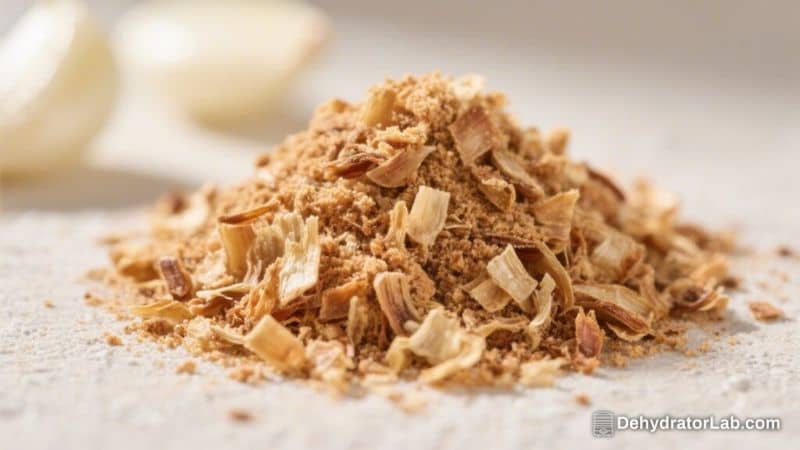
- Customizable texture: Grind coarse for flakes or fine for a silky powder, depending on how you’ll use it.
Ingredients
- 2–3 pounds fresh shallots (or as many as you like; yield varies)
- Optional: 1–2 teaspoons neutral oil for easier slicing (not for drying)
- Optional flavor additions after drying: A pinch of sea salt or a tiny amount of citric acid for brightness
Instructions
- Select and prep the shallots: Choose firm, dry shallots with tight skins.
Avoid any with soft spots or sprouting. Peel off papery skins and trim root and tip ends.
- Slice uniformly: Cut shallots into thin, even slices, about 1/8 inch (3 mm). Uniform thickness ensures they dry at the same rate and prevents burnt edges.
A mandoline helps.
- Optional quick soak: If you find shallots too pungent, soak slices in cold water for 5 minutes, then pat very dry. Excess moisture will prolong drying, so dry them well.
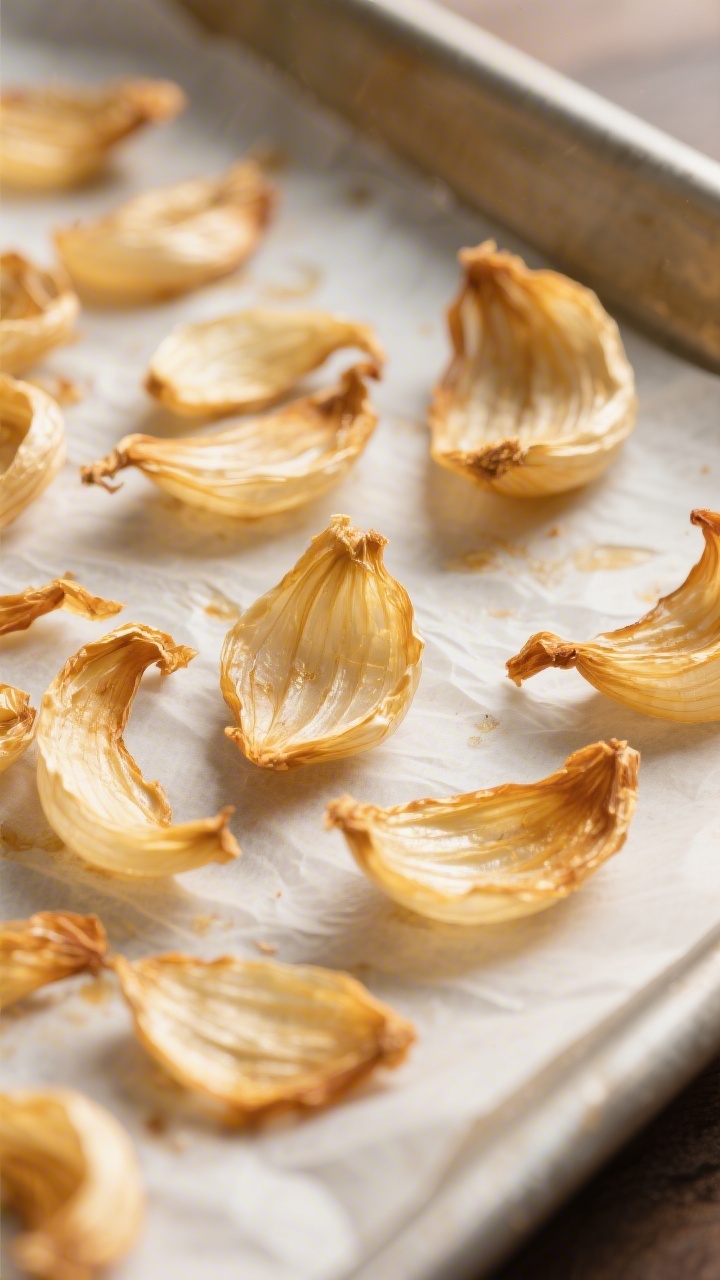
- Arrange for dehydrating: Spread slices in a single layer on dehydrator trays or on parchment-lined baking sheets if using an oven. Leave space between pieces for airflow.
- Dry in a dehydrator: Set to 125–135°F (52–57°C).
Dry for 6–10 hours, rotating trays as needed. They’re done when pieces are brittle and snap cleanly with no chewiness.
- Or dry in the oven: Set the oven to its lowest temperature (ideally 170–200°F / 75–95°C). Prop the door slightly open with a wooden spoon for airflow.
Dry 3–5 hours, checking and stirring occasionally until crisp.
- Cool completely: Let dried shallots cool to room temperature. This prevents residual heat from creating condensation in your grinder or storage jar.
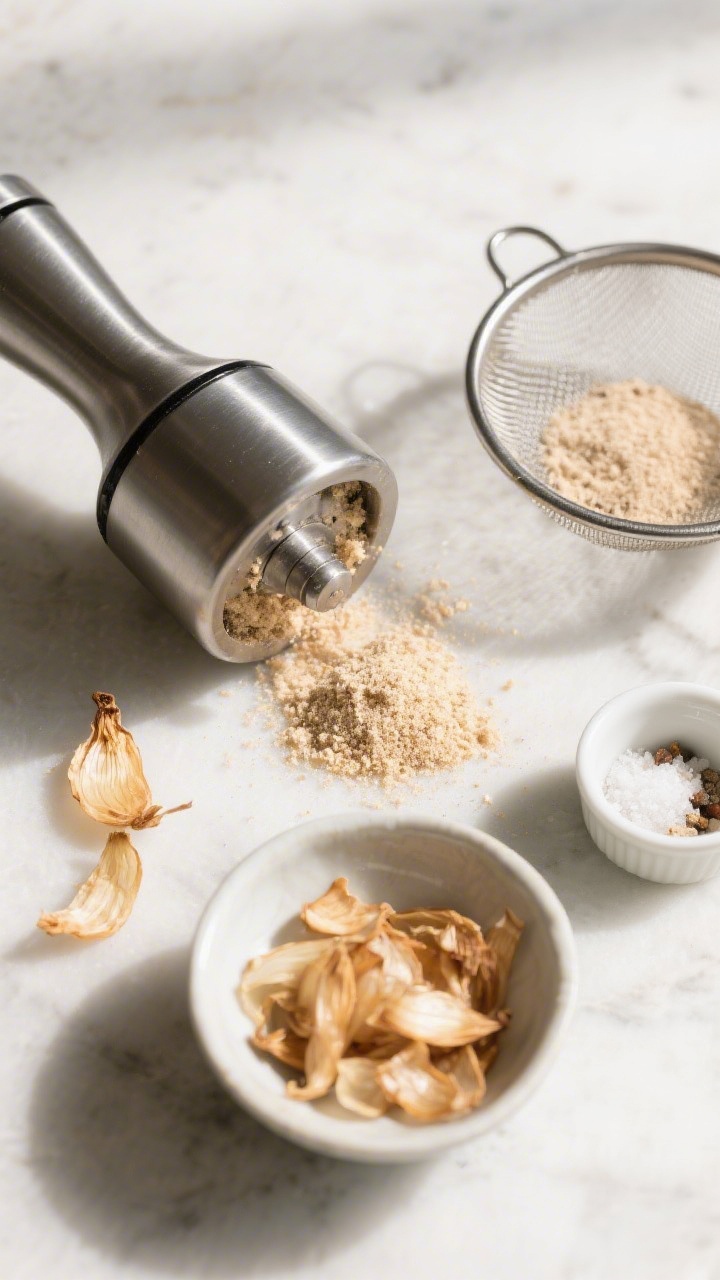
- Grind: Use a spice grinder, high-powered blender, or mortar and pestle. Pulse to your desired texture.
For fine powder, work in small batches and sift, regrinding larger bits.
- Optional seasoning: Stir in a tiny pinch of fine sea salt or a whisper of citric acid to lift the flavor. Keep additions minimal so the powder remains versatile.
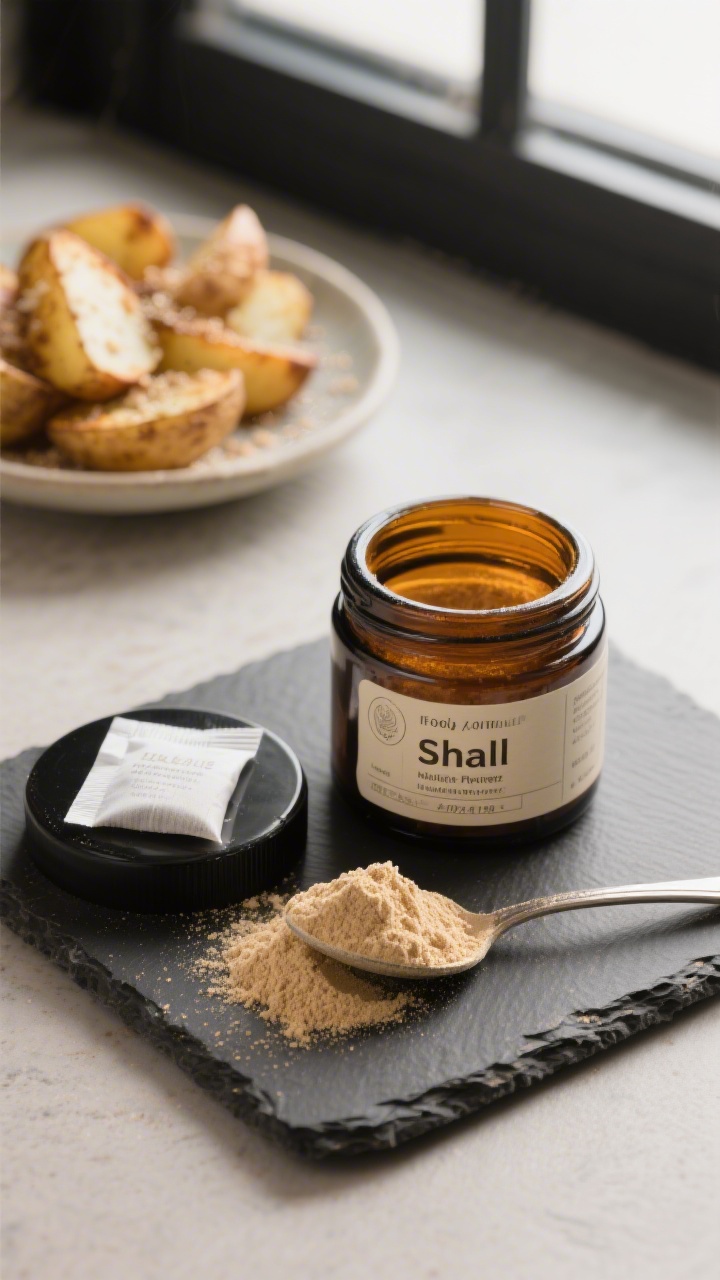
- Package: Transfer to an airtight, lightproof container (amber glass jar or a sealed tin). Label with the date.
For the best texture, add a food-safe desiccant packet.
Storage Instructions
- Container: Store in an airtight jar, ideally in a cool, dark cabinet away from the stove.
- Moisture control: Add a desiccant packet to prevent clumping. Avoid opening the jar over steaming pots.
- Shelf life: Best quality for 6–12 months. Aroma fades gradually, so make batches you’ll use within a year.
- Signs of spoilage: Clumping, musty smell, or dull, stale aroma.
If it smells flat, it won’t perform well—make a fresh batch.
Benefits of This Recipe
- Versatility: Works in dry rubs, vinaigrettes, dips, soups, stir-fries, and roasted vegetables.
- Gentle flavor: Offers a nuanced allium note without the sharp edge of raw onions or garlic.
- Budget-friendly: Buy shallots in bulk when they’re cheap, then extend their life as a pantry staple.
- Time-saving: Eliminates midweek chopping. Perfect for quick sauces and last-minute seasoning.
- Consistent results: Powder ensures even distribution in batters, doughs, and marinades.
Common Mistakes to Avoid
- Uneven slicing: Thick slices stay chewy while thin ones burn. Keep slices consistent for reliable drying.
- Insufficient drying: If slices bend instead of snap, keep drying.
Residual moisture leads to spoilage and clumping.
- Overheating in the oven: High heat can brown or burn, turning flavors bitter. Keep temps low and door slightly cracked.
- Grinding while warm: Heat plus steam encourages clumps. Cool thoroughly before grinding.
- Light and air exposure: Clear jars on a bright shelf shorten shelf life.
Use opaque or amber containers and tighten lids after each use.
Alternatives
- Texture variations: Stop grinding early for shallot flakes. They add crunch to salads, roasted potatoes, and breadcrumb toppings.
- Onion powder blend: Mix equal parts shallot and onion powder for a balanced, everyday seasoning.
- Garlic-shallot mix: Combine with garlic powder at a 2:1 ratio for a savory base that suits most marinades.
- Smoky version: Stir in a pinch of smoked salt or smoked paprika after grinding for grilled meats and veggies.
- Herb upgrade: Add dried thyme, chives, or tarragon for a French-inspired all-purpose blend. Keep herbs dry and finely ground.
FAQ
How much shallot powder equals one fresh shallot?
About 1 teaspoon of shallot powder typically equals one small shallot.
Adjust to taste based on the dish and how strong your powder is.
Can I use a regular oven if I don’t have a dehydrator?
Yes. Set your oven to the lowest temperature, keep the door slightly ajar for airflow, and stir occasionally. Watch closely to avoid browning.
Why did my powder clump after a few weeks?
Moisture exposure is the main culprit.
Add a desiccant packet, avoid opening the jar over steam, and store in a cool, dark place. If clumped, break it up and regrind briefly.
Is blanching necessary before dehydrating?
Not for shallots. Blanching can mute flavor and add unnecessary moisture.
Thin, even slicing and low, slow drying are enough.
What grinder works best?
A dedicated spice grinder gives the finest texture. High-speed blenders also work if you process small batches and sift for uniformity.
Can I reduce the smell while drying?
Dry near a vent, use a dehydrator outdoors or in a garage if safe, and keep a window cracked. The aroma is stronger during drying than in the finished powder.
How can I tell when the shallots are fully dry?
They should be crisp and snap cleanly with no bend.
If you’re unsure, place a few pieces in a sealed jar for 10 minutes; if condensation appears, dry longer.
What dishes benefit most from shallot powder?
Creamy dressings, pan sauces, French-style omelets, roasted vegetables, steak rubs, seafood marinades, and compound butters all shine with a pinch.
Final Thoughts
Dehydrated shallot powder is one of those quiet, reliable pantry upgrades that pays off every time you cook. It gives you the gentle sweetness of shallots without the prep or perishability. Make a jar now, label it, and stash it somewhere easy to reach.
The next time a soup needs depth or a dressing feels flat, a small spoonful will do the trick. Keep it simple, keep it dry, and let that soft, savory flavor work its magic.
Dehydrated Shallot Powder – A Fragrant, All-Purpose Kitchen Staple
Ingredients
- 2–3 pounds fresh shallots (or as many as you like; yield varies)
- Optional: 1–2 teaspoons neutral oil for easier slicing (not for drying)
- Optional flavor additions after drying: A pinch of sea salt or a tiny amount of citric acid for brightness
Instructions
- Select and prep the shallots: Choose firm, dry shallots with tight skins.Avoid any with soft spots or sprouting. Peel off papery skins and trim root and tip ends.
- Slice uniformly: Cut shallots into thin, even slices, about 1/8 inch (3 mm). Uniform thickness ensures they dry at the same rate and prevents burnt edges.A mandoline helps.
- Optional quick soak: If you find shallots too pungent, soak slices in cold water for 5 minutes, then pat very dry. Excess moisture will prolong drying, so dry them well.
- Arrange for dehydrating: Spread slices in a single layer on dehydrator trays or on parchment-lined baking sheets if using an oven. Leave space between pieces for airflow.
- Dry in a dehydrator: Set to 125–135°F (52–57°C).Dry for 6–10 hours, rotating trays as needed. They’re done when pieces are brittle and snap cleanly with no chewiness.
- Or dry in the oven: Set the oven to its lowest temperature (ideally 170–200°F / 75–95°C). Prop the door slightly open with a wooden spoon for airflow.Dry 3–5 hours, checking and stirring occasionally until crisp.
- Cool completely: Let dried shallots cool to room temperature. This prevents residual heat from creating condensation in your grinder or storage jar.
- Grind: Use a spice grinder, high-powered blender, or mortar and pestle. Pulse to your desired texture.For fine powder, work in small batches and sift, regrinding larger bits.
- Optional seasoning: Stir in a tiny pinch of fine sea salt or a whisper of citric acid to lift the flavor. Keep additions minimal so the powder remains versatile.
- Package: Transfer to an airtight, lightproof container (amber glass jar or a sealed tin). Label with the date.For the best texture, add a food-safe desiccant packet.
Printable Recipe Card
Want just the essential recipe details without scrolling through the article? Get our printable recipe card with just the ingredients and instructions.