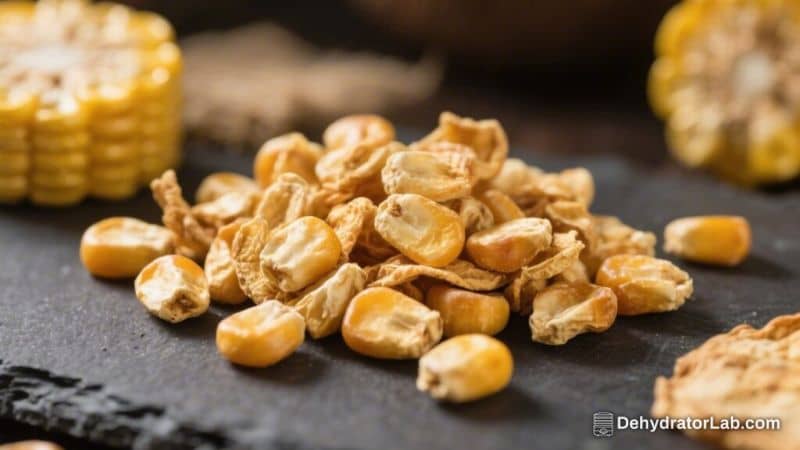
Corn is one of those ingredients that never goes out of style. When you dehydrate it, you get a crunchy, slightly sweet staple that lasts for months and works in everything from soups to trail mixes. It’s simple to make at home with fresh, frozen, or even canned corn.
The best part? You control the flavor and texture, and you don’t need fancy equipment to get great results.
In this article:
What Makes This Recipe So Good
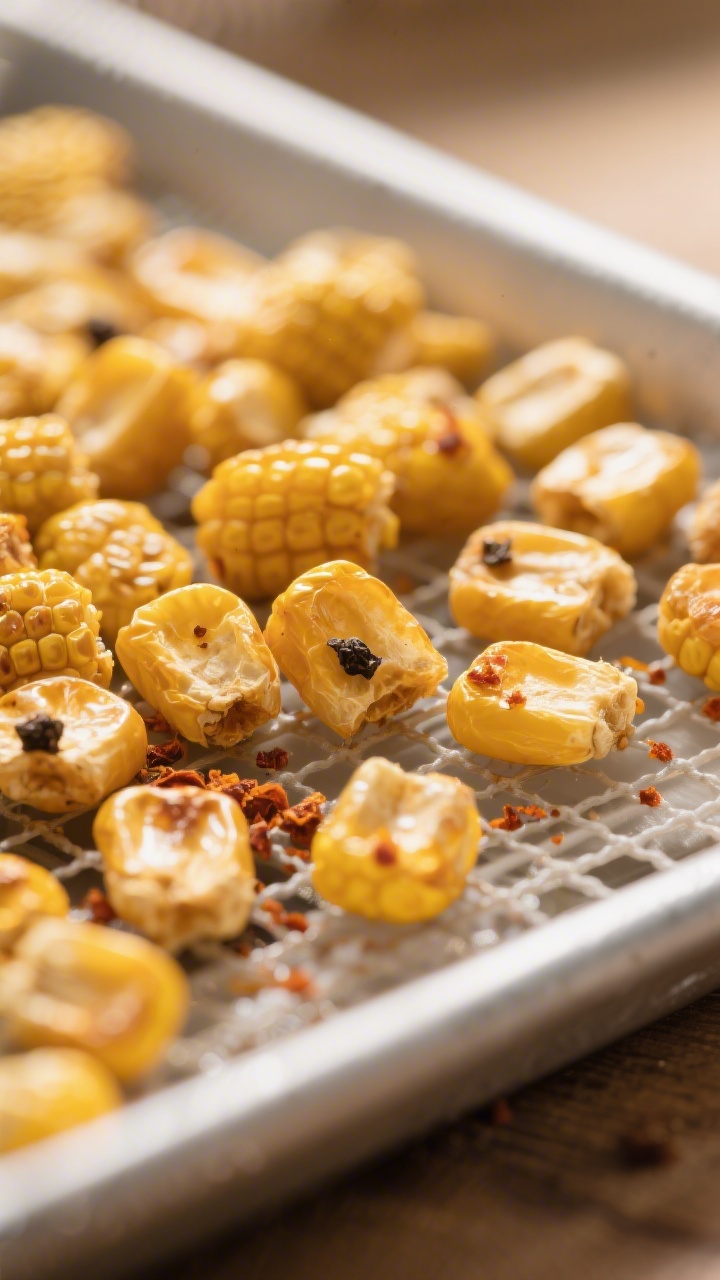
Dehydrated corn kernels are all about convenience and flavor. They shrink down, store well, and rehydrate beautifully when you need them for a quick meal.
They’re naturally sweet and add a pop of texture to salads, stews, and casseroles. You can season them before or after drying to suit your taste. Plus, it’s a great way to use up peak-season corn or a bag of frozen kernels sitting in the freezer.
Shopping List
- Corn kernels (fresh, frozen, or canned)
- Salt (optional, for seasoning)
- Oil or melted butter (optional, for seasoned snack-style kernels)
- Seasonings (optional: garlic powder, smoked paprika, chili powder, black pepper, nutritional yeast)
- Lemon juice or vinegar (optional, for brightening flavor before drying)
Step-by-Step Instructions
- Choose your corn. Use fresh corn cut off the cob, frozen kernels thawed and drained, or canned corn rinsed and well-dried.
Fresh is sweetest, but frozen works perfectly and is very convenient.
- Prep the kernels. If using fresh corn, slice kernels off the cob. For frozen, spread on a towel to absorb excess moisture. For canned, rinse and pat dry thoroughly.
Drier kernels dehydrate faster and more evenly.
- Optional quick blanch (for fresh corn). Bring a pot of water to a boil, add kernels, and blanch 2 minutes. Drain and spread on towels to cool and dry. Blanching helps preserve color and flavor, but you can skip it if you prefer a raw-dehydrated taste.
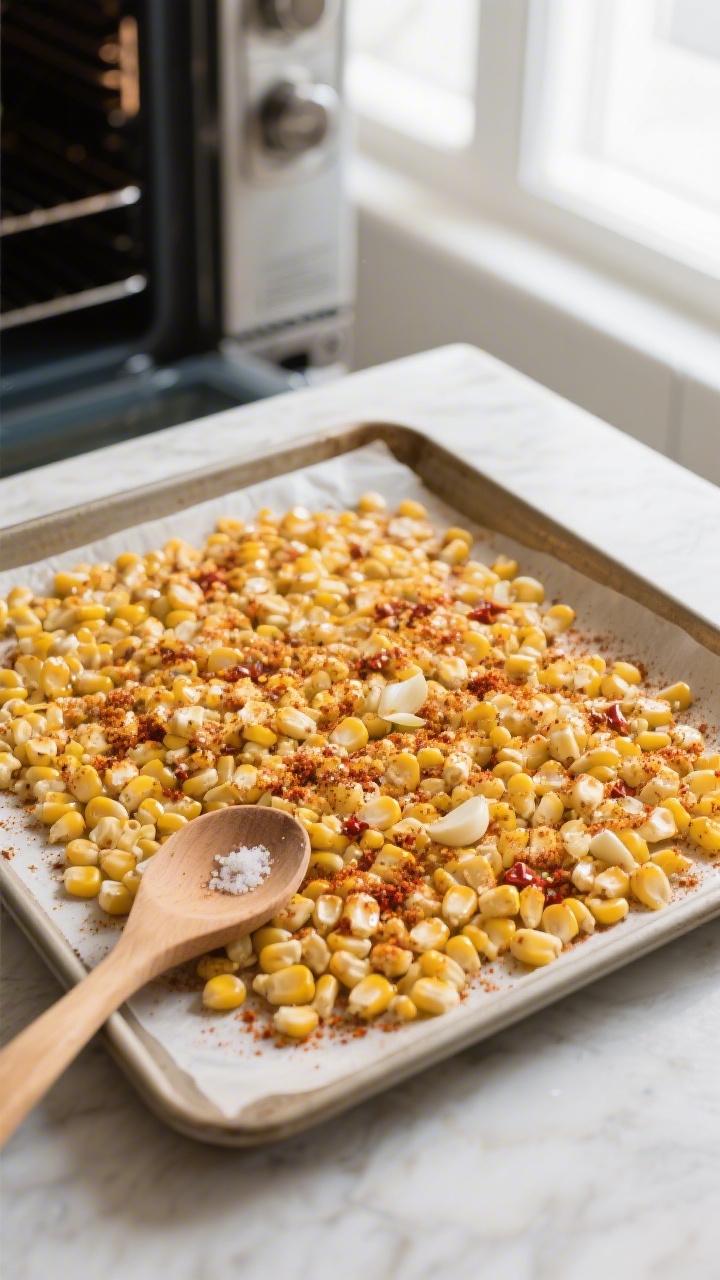
- Season lightly (optional). Toss with a tiny amount of oil or melted butter—just enough to make spices cling—then add salt and seasoning. For long-term storage, keep seasoning minimal to avoid drawing in moisture.
- Arrange on trays. Spread kernels in a single, even layer on dehydrator trays lined with mesh screens.
If using an oven, line baking sheets with parchment or a silicone mat to prevent sticking.
- Dehydrate.
- Dehydrator: Set to 125–135°F (52–57°C). Dry for 8–12 hours, checking after 6 hours and rotating trays if needed.
- Oven: Set to the lowest temperature (ideally 170–200°F / 77–93°C). Prop the door slightly open for airflow.
Dry 4–8 hours, stirring every hour to prevent hot spots.
- Test for doneness. Kernels should be hard, shrunken, and completely dry—they’ll be brittle and should not feel tacky. If any feel chewy, keep drying in 30–60 minute increments.
- Cool completely. Let the kernels cool to room temperature on the trays. This prevents trapped steam from creating moisture in storage.
- Condition the batch. Place the cooled kernels in a large airtight container for 3–5 days, shaking daily.
If you see condensation or clumps, return the kernels to the dehydrator for another hour or two.
- Store properly. Transfer to airtight jars or Mylar bags with oxygen absorbers for long-term storage. Label with the date.
Keeping It Fresh
Dehydrated corn lasts 6–12 months in a cool, dark pantry when stored airtight. For best quality, keep it away from heat and light.
If your home is humid, consider vacuum sealing or adding oxygen absorbers for extra protection. You can also freeze the dried kernels to extend shelf life even more. Always check for off smells, softness, or visible moisture before using.

Why This is Good for You
Corn is a natural source of fiber, B vitamins, and antioxidants like lutein and zeaxanthin, which support eye health.
Dehydrating preserves much of that goodness while making the corn easy to store and use. It also helps you cut back on food waste by saving fresh corn at its peak. When you rehydrate the kernels for soups or sides, you get flavor and nutrients without additives.
If you keep seasonings simple and skip heavy oils, it’s a smart pantry staple.
Pitfalls to Watch Out For
- Uneven drying: Crowded trays or thick layers lead to soft spots. Keep a single layer and stir or rotate trays for even airflow.
- Too high heat: Overly hot ovens can toast or brown the kernels. Aim low and slow to avoid a tough, scorched texture.
- Skipping the cool-down: Storing warm kernels traps moisture and invites spoilage.
Always let them cool fully.
- Not conditioning: Moisture pockets can hide in a large batch. Conditioning helps equalize moisture and prevents mold down the line.
- Over-seasoning: Too much oil or salt can shorten shelf life. Season lightly if you plan to store for months.
Alternatives
- Sweet vs. field corn: Sweet corn gives a tender, sweet crunch.
Field or dent corn dries harder and is better for grinding into cornmeal or hominy-style uses.
- Air-dried vs. dehydrator: In very dry climates, you can air-dry on screens with strong airflow. It’s slower and weather-dependent, but it works.
- Frozen without blanching: Frozen corn is typically blanched before freezing, so you can dehydrate it straight from thawed—fast and reliable.
- Savory snack version: Season with chili-lime, barbecue spice, or garlic-herb. Enjoy as a crunchy snack or toss into trail mix with nuts and seeds.
- Rehydration options: Soak in hot water for 20–30 minutes, simmer 10–20 minutes in soups, or steam with a splash of broth for side dishes.
FAQ
How do I rehydrate dehydrated corn kernels?
Cover with hot water and soak 20–30 minutes, then drain.
For softer results, simmer in water or broth for 10–20 minutes. Add directly to soups and stews and let them plump as the dish cooks.
Can I dehydrate canned corn?
Yes. Rinse well and dry thoroughly to remove excess moisture and salt.
Spread in a single layer and dehydrate until completely hard and brittle.
What temperature should I use for dehydrating?
Use 125–135°F (52–57°C) in a dehydrator. In an oven, use the lowest setting and crack the door for airflow. Lower temperatures help preserve color and prevent toughness.
How long does dehydrated corn last?
Stored airtight in a cool, dark place, it lasts 6–12 months.
For longest shelf life, vacuum seal or use oxygen absorbers and store in a cool pantry or freezer.
Do I have to blanch fresh corn first?
No, but blanching for 2 minutes helps lock in color, sweetness, and texture. If you prefer a raw flavor profile, you can skip it—just expect a slightly different taste and potentially longer drying time.
Why are my kernels chewy after drying?
They’re likely not fully dehydrated or absorbed moisture during cooling. Return them to the dehydrator until brittle, then cool completely and condition before storage.
Can I make corn powder or cornmeal from this?
Yes.
Grind fully dried kernels in a high-speed blender or grain mill. Use as a flavoring powder, to thicken soups, or to make a rustic cornmeal for breading and cornbread variations.
What’s the best way to season dehydrated corn for snacking?
Toss warm, just-dried kernels with a tiny bit of oil and spices like chili-lime, smoked paprika, or ranch seasoning. For shelf-stable storage, go light on oil and keep portions small.
Final Thoughts
Dehydrated corn kernels are a low-effort, high-reward pantry upgrade.
They store beautifully, taste great, and fit into tons of recipes. Whether you’re prepping for busy weeks, reducing waste, or building a smarter pantry, this simple method pays off. Keep a jar on hand, and you’ll always have a quick way to add sweetness, crunch, and comfort to your meals.

Dehydrated Corn Kernels – Easy, Crunchy, and Versatile
Ingredients
- Corn kernels (fresh, frozen, or canned)
- Salt (optional, for seasoning)
- Oil or melted butter (optional, for seasoned snack-style kernels)
- Seasonings (optional: garlic powder, smoked paprika, chili powder, black pepper, nutritional yeast)
- Lemon juice or vinegar (optional, for brightening flavor before drying)
Instructions
- Choose your corn. Use fresh corn cut off the cob, frozen kernels thawed and drained, or canned corn rinsed and well-dried.Fresh is sweetest, but frozen works perfectly and is very convenient.
- Prep the kernels. If using fresh corn, slice kernels off the cob. For frozen, spread on a towel to absorb excess moisture. For canned, rinse and pat dry thoroughly.Drier kernels dehydrate faster and more evenly.
- Optional quick blanch (for fresh corn). Bring a pot of water to a boil, add kernels, and blanch 2 minutes. Drain and spread on towels to cool and dry. Blanching helps preserve color and flavor, but you can skip it if you prefer a raw-dehydrated taste.
- Season lightly (optional). Toss with a tiny amount of oil or melted butter—just enough to make spices cling—then add salt and seasoning. For long-term storage, keep seasoning minimal to avoid drawing in moisture.
- Arrange on trays. Spread kernels in a single, even layer on dehydrator trays lined with mesh screens.If using an oven, line baking sheets with parchment or a silicone mat to prevent sticking.
- Dehydrate. Dehydrator: Set to 125–135°F (52–57°C). Dry for 8–12 hours, checking after 6 hours and rotating trays if needed.
- Oven: Set to the lowest temperature (ideally 170–200°F / 77–93°C). Prop the door slightly open for airflow.Dry 4–8 hours, stirring every hour to prevent hot spots.
- Test for doneness. Kernels should be hard, shrunken, and completely dry—they’ll be brittle and should not feel tacky. If any feel chewy, keep drying in 30–60 minute increments.
- Cool completely. Let the kernels cool to room temperature on the trays. This prevents trapped steam from creating moisture in storage.
- Condition the batch. Place the cooled kernels in a large airtight container for 3–5 days, shaking daily.If you see condensation or clumps, return the kernels to the dehydrator for another hour or two.
- Store properly. Transfer to airtight jars or Mylar bags with oxygen absorbers for long-term storage. Label with the date.
Printable Recipe Card
Want just the essential recipe details without scrolling through the article? Get our printable recipe card with just the ingredients and instructions.