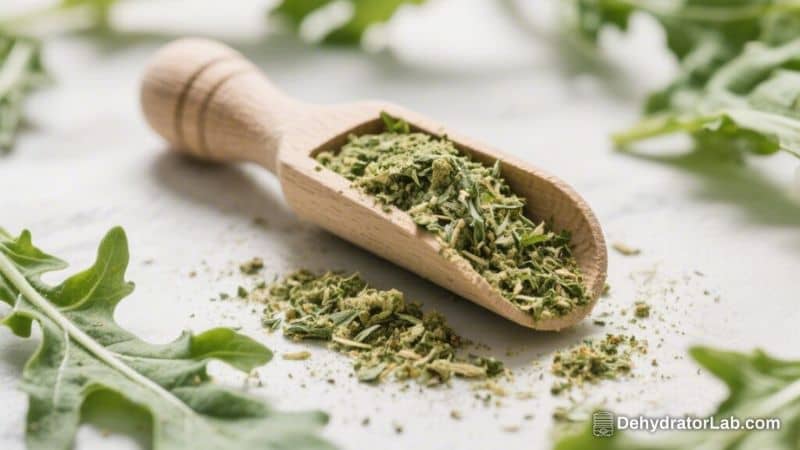
Arugula powder is one of those simple kitchen tricks that quietly upgrades everything it touches. If you love the peppery bite of fresh arugula but hate watching a bag wilt in the fridge, this is your answer. It concentrates all that vibrant, slightly spicy flavor into a shelf-stable seasoning you can sprinkle on anything.
Think of it as a green flavor bomb that fits in a jar. It’s quick to make, easy to store, and surprisingly versatile.
In this article:
TL;DR: Key Takeaways
- 🌿 Dry leaves completely before dehydrating — surface moisture slows everything down
- 🌡️ Dehydrate at 95-115°F (35-46°C) for 2-4 hours, or oven-dry at 170-200°F (75-95°C) for 45-90 minutes with the door cracked
- ⚖️ Expect a big volume drop — about 1 loose cup of fresh arugula yields just 1-2 teaspoons of powder
- 📦 Best flavor within the first 3-6 months; stays safe longer if kept airtight and dry
What Makes This Special
This powder captures the essence of fresh arugula without the bulk. You get the same peppery bite and green freshness, but in a form that’s easy to use on weeknights.
Stir it into soups, blend it into sauces, or dust it over eggs and roasted veggies. It gives your food a pop of color and a clean, herbal note.
It also helps cut food waste. If you’ve got a bunch of arugula nearing its prime, turning it into powder saves it from the compost bin.
And unlike fresh greens, this powder lives happily in your pantry for months.
Ingredients
- Fresh arugula (baby or mature leaves; any amount works)
- Optional: A pinch of sea salt or lemon zest to mix in after drying
How to Make It
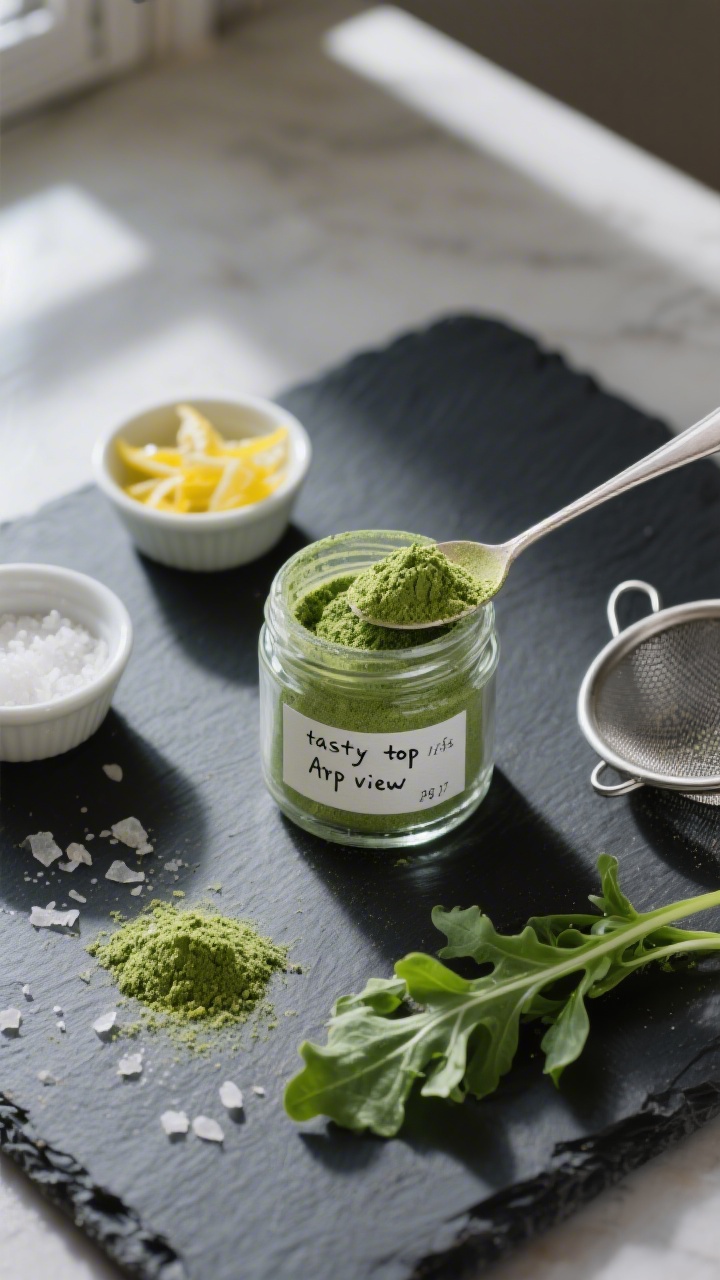
- Pick and prep the greens. Choose arugula that’s fresh and perky. Rinse well to remove grit, then spin or pat completely dry. Dry leaves are essential for even dehydration.
- Trim and sort. Remove thick stems on mature arugula. They can be fibrous and take longer to dry.
Baby arugula usually doesn’t need trimming.
- Decide on your method. You can use a dehydrator, an oven, or air-dry in a very low-humidity environment. A dehydrator gives the most consistent results.
- Dehydrator method. Arrange leaves in a single layer on trays, not overlapping. Set to 95–115°F (35–46°C) for 2–4 hours, checking after 90 minutes.
Leaves should be crispy and crumble easily.
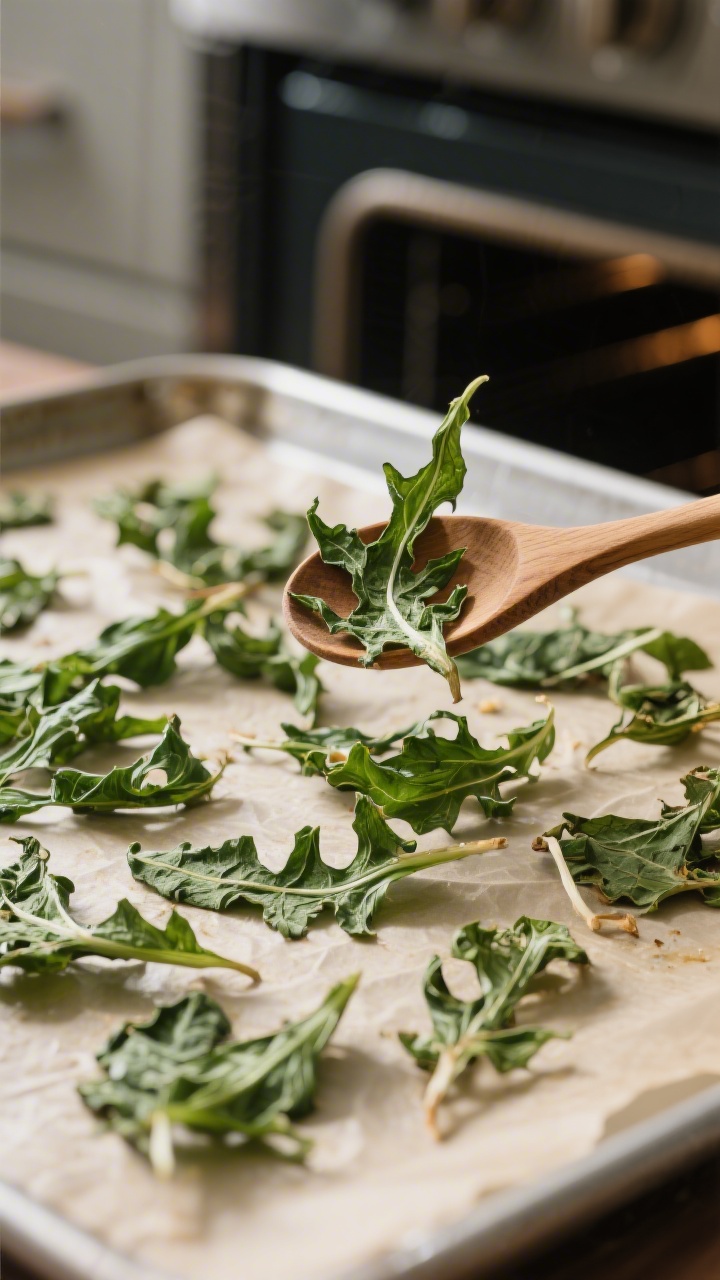
- Oven method. Set the oven to its lowest temperature (usually 170–200°F / 75–95°C). Line a sheet with parchment and spread leaves in a single layer. Prop the oven door open slightly to let moisture escape.
Bake 45–90 minutes, flipping once, until completely dry.
- Air-dry option. Lay leaves on racks in a warm, dry, breezy spot out of direct sunlight. This can take 1–2 days depending on humidity. Rotate trays for even drying.
- Cool completely. Let the dried leaves cool to room temperature before grinding.
Trapped heat can cause condensation in your jar.
- Grind to powder. Use a spice grinder, high-speed blender, or mortar and pestle. Pulse in short bursts until fine. Sift if you want a very smooth powder, and regrind any larger flakes.
- Season (optional). Stir in a pinch of sea salt or a whisper of lemon zest for brightness.
Keep add-ins minimal so arugula remains the star.
- Store smart. Transfer to an airtight container. Label with the date. See storage tips below to keep flavor and color vibrant.
Keeping It Fresh
- Use airtight containers. A small glass jar with a tight lid is ideal.
Less air equals slower flavor loss.
- Keep it cool, dark, and dry. Light and heat fade the color and taste. A pantry or spice drawer is perfect.
- Add a desiccant pack if you live in a humid climate. It helps prevent clumping.
- Don’t sprinkle from the jar over steam. Steam introduces moisture.
Spoon out what you need instead.
- Best by 6 months. It’s safe longer, but the flavor is brightest in the first 3–6 months.
Benefits of This Recipe
- Flavor boost on demand. A fast way to add peppery freshness to sauces, dressings, and cooked dishes.
- Reduces waste. Saves greens that might otherwise spoil.
- Space-saving. One large bunch becomes a few tablespoons of concentrated seasoning.
- Customizable. Blend with other dried herbs or spices to create your own mix.
- Nutrient retention. Low-temperature drying helps preserve color and some heat-sensitive compounds better than high-heat cooking.
Common Mistakes to Avoid
- Not drying the leaves fully before dehydrating. Extra surface moisture slows the process and can lead to uneven results.
- Overcrowding trays. Leaves need airflow. Overlapping traps moisture and causes limp, discolored spots.
- Using high heat. Temperatures above 200°F (95°C) can dull color and flavor quickly.
- Skipping the cool-down. Grinding warm leaves can cause condensation inside your jar, leading to clumps or spoilage.
- Storing near heat or sunlight. This fades both color and taste. Keep it in a cool, dark place.
Variations You Can Try
- Arugula-lemon sprinkle: Mix arugula powder with fine lemon zest and flaky salt.
Great on fish, pasta, or roasted potatoes.
- Green omelet dust: Combine with dried chives, parsley, and a touch of garlic powder for an egg-friendly blend.
- Peppery salad booster: Stir into vinaigrettes or creamy dressings for instant depth without chopping fresh greens.
- Herb crust: Mix with panko, olive oil, and Parmesan, then press onto chicken or tofu before baking.
- Smoothie lift: Add a teaspoon to green smoothies for a subtle peppery edge that balances sweet fruit.
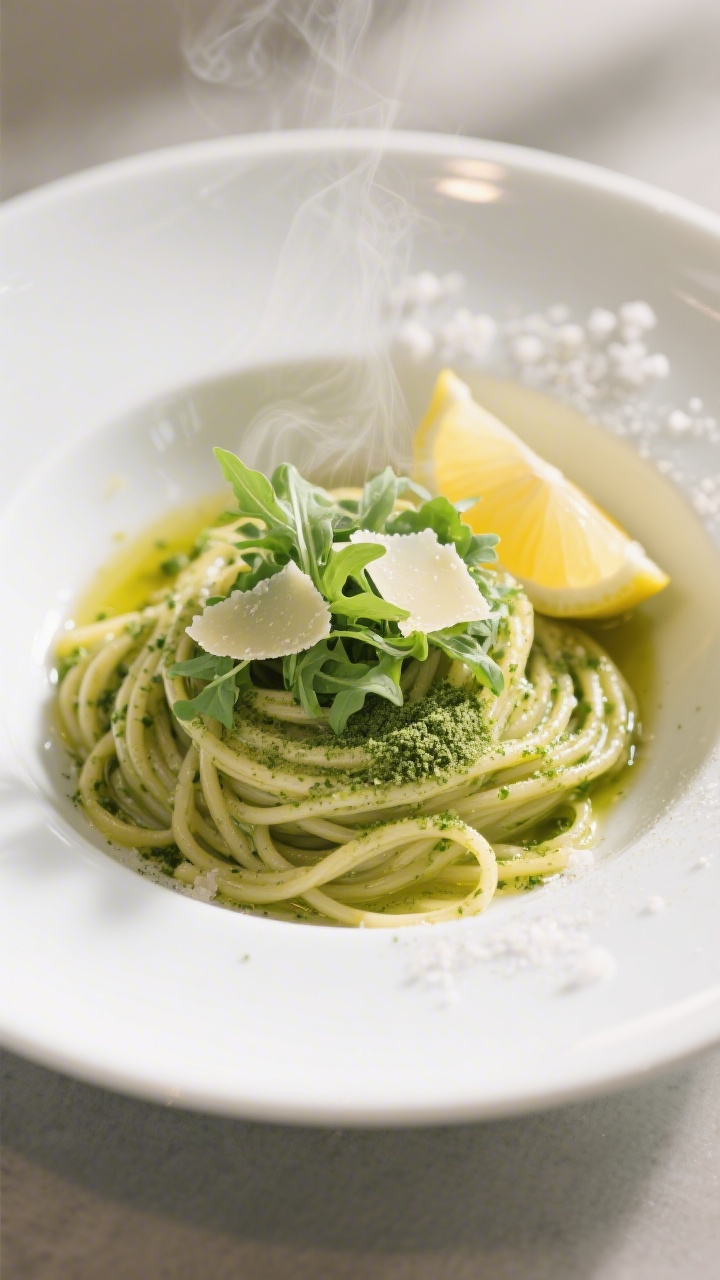
- Pasta finisher: Toss hot pasta with olive oil, a squeeze of lemon, and a teaspoon of arugula powder for a fast, fresh sauce.
FAQ
How much fresh arugula makes one tablespoon of powder?
It varies by leaf size and water content, but a loose packed cup of fresh arugula usually yields about 1–2 teaspoons of powder. Expect a big reduction in volume—that’s normal.
Can I use pre-washed bagged arugula?
Yes. Still rinse and dry it well to remove any residual moisture and improve the final flavor.
Spin thoroughly or spread on towels until no surface water remains.
What if my powder tastes bitter?
Overheating is a common cause. Keep temperatures low and remove as soon as the leaves are crisp. If bitterness creeps in, balance it with a pinch of salt or lemon zest when using.
Do I need to blanch the arugula first?
No.
Blanching isn’t necessary and can leach flavor. Drying at low temperatures preserves more of that signature peppery kick.
Can I make this without a dehydrator?
Absolutely. The oven on its lowest setting works well.
Prop the door open slightly and check often to prevent over-drying or browning.
How fine should I grind it?
It’s up to you. A fine powder disappears into sauces and dressings, while a slightly coarser grind adds visual texture on finished dishes. Sift if you want ultra-smooth.
Is it safe to store at room temperature?
Yes, as long as the powder is fully dry and stored airtight in a cool, dark place.
If you notice clumping or an off smell, discard and make a fresh batch.
Can I mix it with oil to make a quick sauce?
Yes. Stir arugula powder into olive oil with a little garlic, lemon juice, and salt for a fast drizzle. Let it sit 5–10 minutes so the flavors bloom.
What can I use instead of arugula?
Baby kale, spinach, or mustard greens can be dried and powdered too.
Each brings a different flavor profile—spinach is milder, mustard greens are spicier.
How do I keep the color bright green?
Use low heat, avoid direct sun while drying, and store away from light. Quick, gentle drying and cool storage help preserve that fresh green hue.
Personal Tips You Can Steal
I always grind in short pulses instead of running the blender continuously — a longer grind generates heat that can dull the color and flavor before you even notice, especially in a small spice grinder. When arugula is at its peppery peak (older, more mature leaves), I dry a batch specifically for that stronger bite and keep it separate from milder baby-leaf batches, so I can choose how much punch I want dish by dish.
Wrapping Up
Dehydrated arugula powder is a small effort with a big payoff. It keeps the spirit of fresh arugula on your shelf, ready to brighten meals in seconds.
Make a batch when you’ve got extra greens, and you’ll always have a peppery, green upgrade within reach. Sprinkle, stir, or blend—it’s a simple way to cook smarter and waste less.
P.S. Mix a spoonful into softened butter with a pinch of salt for an instant peppery compound butter — melts beautifully over steak or roasted potatoes. 🙂
Dehydrated Arugula Powder – A Bright, Peppery Pantry Boost
Ingredients
- Fresh arugula (baby or mature leaves; any amount works)
- Optional: A pinch of sea salt or lemon zest to mix in after drying
Instructions
- Pick and prep the greens. Choose arugula that’s fresh and perky. Rinse well to remove grit, then spin or pat completely dry. Dry leaves are essential for even dehydration.
- Trim and sort. Remove thick stems on mature arugula. They can be fibrous and take longer to dry.Baby arugula usually doesn’t need trimming.
- Decide on your method. You can use a dehydrator, an oven, or air-dry in a very low-humidity environment. A dehydrator gives the most consistent results.
- Dehydrator method. Arrange leaves in a single layer on trays, not overlapping. Set to 95–115°F (35–46°C) for 2–4 hours, checking after 90 minutes.Leaves should be crispy and crumble easily.
- Oven method. Set the oven to its lowest temperature (usually 170–200°F / 75–95°C). Line a sheet with parchment and spread leaves in a single layer. Prop the oven door open slightly to let moisture escape.Bake 45–90 minutes, flipping once, until completely dry.
- Air-dry option. Lay leaves on racks in a warm, dry, breezy spot out of direct sunlight. This can take 1–2 days depending on humidity. Rotate trays for even drying.
- Cool completely. Let the dried leaves cool to room temperature before grinding.Trapped heat can cause condensation in your jar.
- Grind to powder. Use a spice grinder, high-speed blender, or mortar and pestle. Pulse in short bursts until fine. Sift if you want a very smooth powder, and regrind any larger flakes.
- Season (optional). Stir in a pinch of sea salt or a whisper of lemon zest for brightness.Keep add-ins minimal so arugula remains the star.
- Store smart. Transfer to an airtight container. Label with the date. See storage tips below to keep flavor and color vibrant.
Related reading: dehydrated kimchi flakes, dehydrated scrambled eggs, and dehydrator reviews.
Printable Recipe Card
Want just the essential recipe details without scrolling through the article? Get our printable recipe card with just the ingredients and instructions.