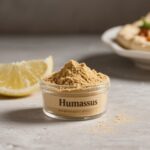
Dehydrated Hummus Powder - A Portable, Flavor-Packed Pantry Staple
Servings 8 servings
Ingredients
- Cooked chickpeas (2 cups; canned, drained and rinsed, or home-cooked)
- Tahini (1/3 cup)
- Fresh lemon juice (3–4 tablespoons), plus zest from 1 lemon for extra punch
- Garlic (1–2 cloves), or 1 teaspoon garlic powder for milder flavor
- Ground cumin (1 teaspoon)
- Salt (3/4 to 1 teaspoon), to taste
- Smoked paprika (1/2 teaspoon), optional
- Olive oil (2 tablespoons) for the base mixture and more for serving
- Water (as needed for blending and later rehydration)
- Optional add-ins: onion powder, cayenne, black pepper, sumac, or dried herbs
Instructions
- Blend the hummus base. Add chickpeas, tahini, lemon juice, garlic, cumin, salt, paprika, and 2 tablespoons olive oil to a blender. Add 2–4 tablespoons water as needed to create a thick but spreadable puree. Blend until very smooth.
- Taste and adjust. The mix should taste slightly saltier and brighter than usual. Note: Flavors soften after drying and rehydrating, so a bit of extra lemon and salt now pays off later.
- Prepare drying trays. Line dehydrator trays with nonstick sheets or an oven tray with silicone mats. Avoid paper that can stick.
- Spread thin and even. Using a spatula, spread the hummus in a uniform layer about 1/8 inch thick. Thinner layers dry faster and more evenly.
- Dehydrate low and slow. In a dehydrator, dry at 135°F/57°C for 6–10 hours, flipping sheets halfway if needed. In an oven, set to the lowest temperature ( ideally 170–200°F / 75–95°C), prop the door slightly open for airflow, and bake 3–5 hours, checking often. It’s done when completely dry, brittle, and not tacky.
- Cool completely. Let the dried sheets cool to room temperature to avoid trapping moisture during storage.
- Break and grind. Break the sheets into shards and grind in a spice grinder or blender until very fine. If needed, sift and re-grind larger bits.
- Season the powder. Taste the powder. If it needs more brightness or depth, whisk in a little citric acid (start with 1/8 teaspoon), extra salt, or ground spices. Optional: Stir in 1–2 teaspoons powdered lemon zest for zing.
- Store airtight. Transfer to a jar or vacuum-seal bag with a desiccant pack if you have one. Label with date and any flavor notes.
- To rehydrate. Mix 1/2 cup hummus powder with 6–8 tablespoons cold water and 1–2 teaspoons olive oil. Stir until smooth, adding water a little at a time to your preferred texture. Rest 2–3 minutes to let flavors bloom, then adjust salt, lemon, or oil.