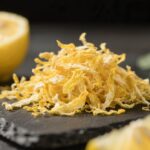
Dehydrated Lemon Zest - Bright, Fragrant, and Incredibly Useful
Servings 16 servings
Ingredients
- Lemons (organic if possible, since you’re using the peel)
- Optional: Granulated sugar (for sweet applications or zest-sugar blends)
- Optional: Kosher salt (for citrus salt)
- Optional: Neutral oil spray (to lightly coat dehydrator trays if sticking is a concern)
Instructions
- Wash and dry the lemons. Rinse under warm water and scrub to remove wax or residue. Pat completely dry with a clean towel.
- Zest the lemons. Use a microplane, zester, or vegetable peeler. If using a peeler, avoid the white pith—stick to the bright yellow peel for the best flavor and no bitterness.
- Break up larger pieces. If you used a peeler, slice the strips into thin slivers. The thinner the pieces, the faster and more evenly they dry.
- Choose your drying method. You can use a dehydrator, an oven, or air-dry in very low humidity. Dehydrator is the most reliable and gives the best texture.
- Dehydrator method: Spread zest in a thin, even layer on mesh trays. Dry at 95–105°F (35–40°C) for 2–4 hours, or until the zest is fully dry and crisp to the touch.
- Oven method: Line a baking sheet with parchment. Spread zest in a thin layer. Set the oven to its lowest temperature (ideally 170–200°F / 75–95°C). Prop the door open slightly with a wooden spoon to allow moisture to escape. Dry for 30–90 minutes, stirring every 15 minutes, until fully dried.
- Air-dry method (least reliable): Spread zest on a plate in a single layer in a very dry, warm room with good airflow. Stir a few times a day. This can take 24–72 hours and depends on humidity.
- Test for doneness. The zest should feel brittle and snap when rubbed. If it bends, it’s not done yet. Any remaining moisture will cause clumping or mold later.
- Cool completely. Let the zest cool to room temperature on the tray. Warm zest can create condensation in the container.
- Use as is or grind. For a fine powder, pulse in a spice grinder. For a flakier texture, crumble it with your fingers. Powder is great for baking and rubs; flakes are perfect for finishing dishes.
- Optional blends: Mix equal parts dehydrated lemon zest and kosher salt for a citrus salt. Or combine zest and sugar (1:2 ratio) for a bright lemon sugar.
- Label and store. See storage tips below for best results.